Expert Guide to Automate SEO Reporting in 2026

Modest Mitkus · February 3, 2026
Imagine spending countless hours each month building SEO reports by hand. What if you could reclaim that time and unlock deeper insights instantly?
In 2026, businesses and agencies face fierce competition. To stay ahead, you must automate seo reporting. This shift is more than a convenience, it is a strategic necessity for modern marketers.
This expert guide will show you how to automate seo reporting, maximize your team's efficiency, and gain actionable insights that drive results. You will discover the essentials of automation, key benefits, the right metrics and tools, a step-by-step workflow, and advanced strategies for the future.
Ready to save time, reduce errors, and transform your reporting process? Let’s dive in.
Understanding Automated SEO Reporting in 2026
Imagine a world where SEO data flows seamlessly into your inbox, ready to guide your next strategy session. In 2026, the need to automate seo reporting is more urgent than ever. As agencies and brands juggle more data sources and client accounts, automated solutions have become essential for staying ahead.

What Is Automated SEO Reporting?
To automate seo reporting means leveraging software that collects, analyzes, and delivers SEO data without requiring manual input. These platforms automatically pull in KPIs such as keyword rankings, organic traffic, and technical site health from tools like Google Analytics and Search Console.
They bring all your data into a single, unified dashboard, letting you monitor performance in real time. This automation is not just about saving time. It ensures that reports are accurate, consistent, and ready for strategic review at a moment’s notice.
For example, platforms like AgencyAnalytics and Siteimprove have made it possible for agencies to automate seo reporting, using AI for predictive analysis and anomaly detection. As one expert put it, “Automated reporting is like putting SEO on cruise control.”
Key Components of Automated SEO Reports
Automated SEO reports are built to be comprehensive and actionable. The main components include:
- Keyword rankings and their movement over time
- Organic traffic metrics such as growth, sources, and conversion rates
- Technical SEO health indicators like crawl errors and Core Web Vitals
- Backlink profile changes and authority scores
- Top-performing content and page insights
- Integration of paid, social, and ecommerce data for a holistic view
- Customizable visualizations and annotations
When you automate seo reporting, these elements are updated continuously and can be customized to fit each client’s needs. The result is a clear, data-driven narrative that supports better decision-making.
Evolution of SEO Reporting: 2026 Landscape
SEO reporting has rapidly shifted from static, monthly PDFs to dynamic, interactive dashboards. In 2026, platforms use AI to provide real-time insights, predictive analytics, and trend forecasting. Enhanced integrations now allow agencies to blend organic and paid data in a single view.
Automated anomaly detection offers instant alerts for urgent issues, enabling teams to act quickly. As the demand for efficiency grows, over 7,000 agencies have transitioned from manual processes to automated solutions. For a deeper dive into these trends and benefits, review Automated SEO strategies.
Today, to automate seo reporting is to future-proof your agency’s workflow, ensuring you deliver timely, insightful, and scalable results.
Why Manual SEO Reporting Is Obsolete
Manual SEO reporting is now considered outdated for several reasons. It is slow, labor-intensive, and prone to human error. For agencies managing multiple clients or large sites, scaling up manual processes is nearly impossible.
Without automation, teams struggle with inconsistent formatting and delayed issue detection. When you automate seo reporting, you guarantee accuracy, consistency, and a professional presentation every time.
Agencies using automation save hours per client each month, freeing up resources for high-impact strategy and analysis. The shift to automated reporting is not just a trend—it is a necessity for competitive success in 2026.
Benefits of Automating SEO Reporting
Automating SEO reporting is changing the way agencies, brands, and marketers approach performance tracking in 2026. By shifting from manual processes to intelligent automation, teams unlock new levels of efficiency, accuracy, and client satisfaction. These benefits are not just theoretical—they are transforming business operations and outcomes across the industry.
Time, Cost, and Resource Savings
When you automate seo reporting, the hours once lost to manual data collection and spreadsheet work are reclaimed. Automated systems gather, process, and present critical metrics in a fraction of the time.
- Reports that once took hours now take minutes.
- Teams can focus on strategy and optimization, not repetitive tasks.
- Automation scales as your client roster grows, with no need for extra headcount.
For example, agencies routinely create client-ready reports in under 30 minutes, ensuring consistency and freeing specialists to deliver more value. This approach also reduces the risk of human error and ensures every client receives a polished, professional deliverable.
Enhanced Data Accuracy and Real-Time Insights
To automate seo reporting is to ensure that your data is always current and reliable. Automated tools pull directly from source APIs, eliminating manual entry mistakes and keeping all metrics up to date.
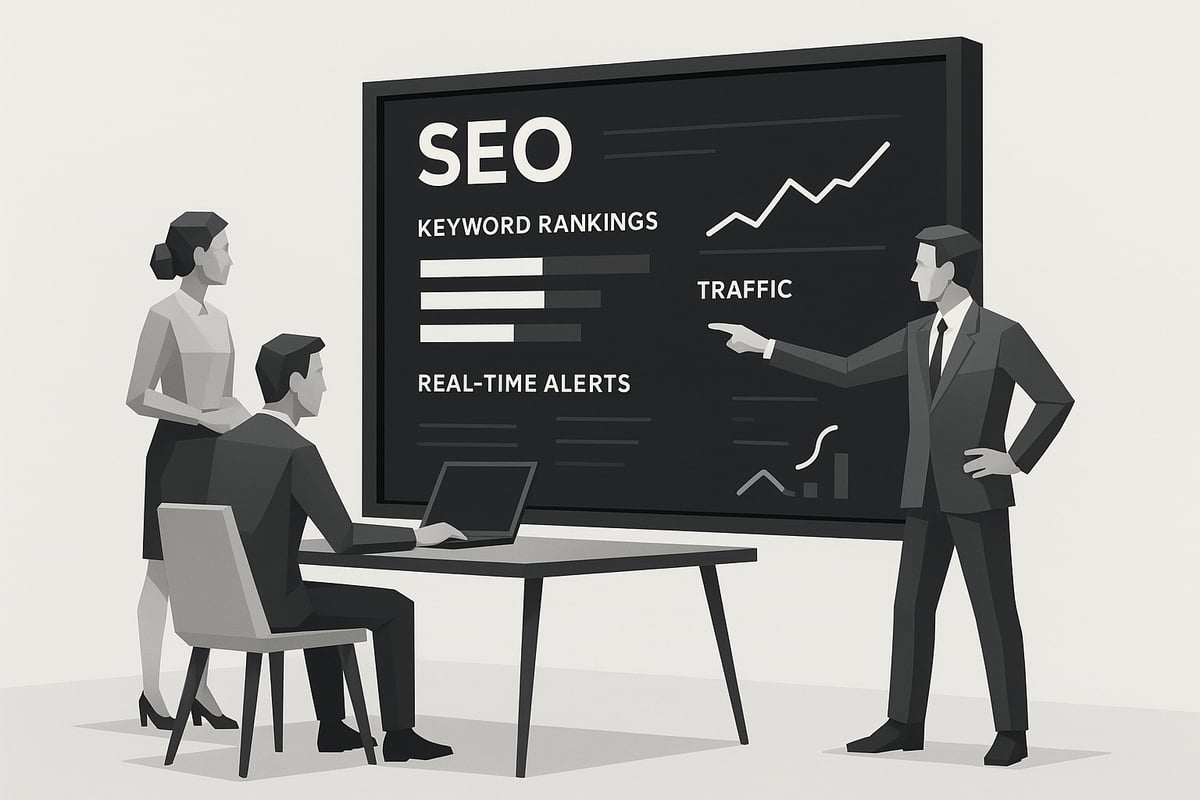
With real-time dashboards, you spot traffic drops, ranking losses, or technical issues the moment they occur. No more waiting for monthly reviews—teams receive instant alerts and can act before small problems become major setbacks.
This level of accuracy and speed means stakeholders always have the right information to make timely, informed decisions.
Improved Client Communication and Transparency
Automate seo reporting to transform client relationships from data delivery to strategic partnership. Automated reports use clear visualizations and scheduled delivery, making complex SEO metrics accessible to every client.
- Visually-rich dashboards communicate insights at a glance.
- Contextual annotations and AI summaries explain what matters most.
- Reports arrive on time, every time, building trust and reliability.
Clients can access up-to-date dashboards whenever needed, fostering open discussions and enabling agencies to focus on strategy rather than just numbers.
Scalability and Customization for Agencies and Enterprises
As agencies and enterprises grow, the need to automate seo reporting becomes essential for maintaining high standards across all accounts. Automation supports unlimited users and clients, with customizable templates tailored to each industry, goal, or brand.
- Integrate multiple data sources for a holistic view.
- Add custom metrics, annotations, and white-label branding.
- Scale reporting without sacrificing consistency or quality.
For agencies seeking scalable solutions, SEO white label reports offer powerful, automated options that keep reporting professional and client-ready as your business expands.
Choosing the Right Metrics for Automated SEO Reports
Selecting the right metrics is the cornerstone when you automate seo reporting. In 2026, the right data not only measures performance but also drives strategic decisions. By focusing on actionable KPIs, aligning with business goals, and simplifying complex data, you ensure that every automated report delivers maximum value.
Identifying the Most Impactful SEO KPIs
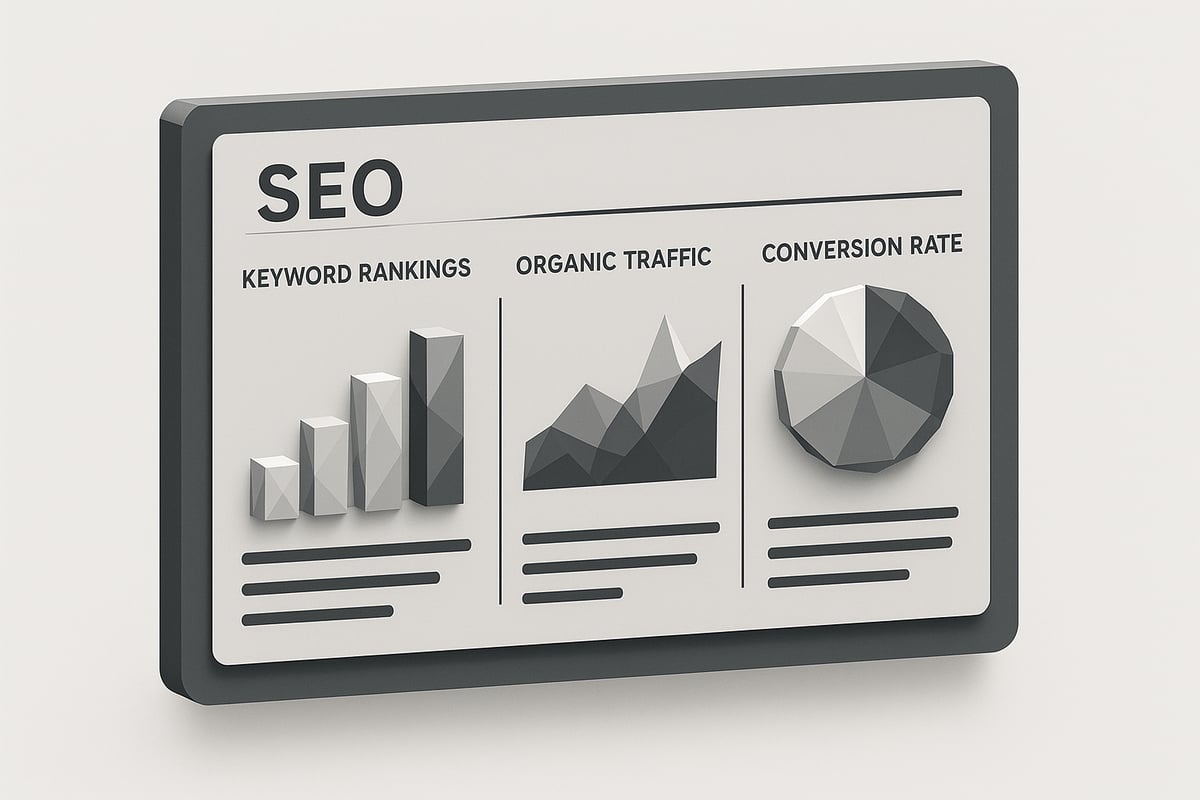
To automate seo reporting effectively, prioritize metrics that connect directly to business outcomes. Focus on KPIs that reflect real growth, such as conversions, revenue from organic channels, and qualified leads. Avoid vanity metrics that do not influence decision-making.
Essential KPIs to include:
- Keyword rankings that lead to traffic or conversions
- Organic traffic segmented by source and landing page
- Conversion rates and completed goals
- Technical site health indicators
- Backlink quality and authority
Selecting the right tools can help you track these KPIs seamlessly. For a comprehensive overview of available solutions, see the Best automated SEO tools. This ensures your automation setup is tailored for impact.
Aligning Metrics with Business Goals and Client Needs
When you automate seo reporting, customization is crucial. Different business models and industries require unique data points. For example, ecommerce sites benefit from tracking product page conversions, while local businesses focus on map pack visibility.
Steps to align metrics:
- Identify business objectives for each client or campaign
- Select KPIs that support those objectives
- Integrate only relevant data sources
Regularly review and adapt your metrics as business goals evolve. This ensures your automated reports remain aligned with what matters most.
Contextualizing Data for Actionable Insights
Automated SEO reports should not just present numbers, but also provide context. Pair outcome metrics with technical and behavioral indicators for deeper insights. Use trend analysis to highlight progress over time rather than static snapshots.
Ways to add context:
- Annotate spikes, drops, or anomalies in performance
- Include AI-generated summaries explaining key changes
- Compare year-over-year or month-over-month data
By contextualizing data, you make it easier to identify opportunities and prioritize next steps when you automate seo reporting.
Avoiding Data Overload: Selectivity and Relevance
Too much data can overwhelm stakeholders and obscure valuable insights. When you automate seo reporting, be selective—track only the metrics that truly matter. Focus on high-impact keywords and channels, and avoid cluttering reports with every possible metric.
Tips to prevent overload:
- Use customizable templates to highlight priority KPIs
- Integrate cross-channel data only if it clarifies performance
- Limit keyword tracking to terms with proven value
Clear, focused reports drive action and help teams stay aligned on goals.
Selecting and Integrating Automated SEO Reporting Tools
Choosing the right tools to automate seo reporting is essential for gaining actionable insights and streamlining workflows. With the rapid evolution of automation platforms, the right solution can make or break your reporting efficiency. Let’s explore the must-have features, customization options, visualization capabilities, and integration workflows you should prioritize in 2026.
Essential Features to Look For in 2026 Tools
When you automate seo reporting, prioritize platforms with robust native integrations. Top solutions connect directly to Google Analytics, Search Console, paid ad networks, and backlink tools, minimizing manual data pulls. Look for:
- Support for multiple data sources (organic, paid, social, ecommerce)
- Intuitive dashboard and report builders (drag-and-drop, WYSIWYG)
- AI-driven insights, predictive analytics, and anomaly detection
- Flexible scheduling and automated delivery
For a comprehensive overview of leading solutions, check out this SEO automation software guide. By choosing tools that excel in these areas, you set a strong foundation to automate seo reporting at scale.
Customization and Scalability for Diverse Needs
No two organizations are alike, so the ability to customize and scale is crucial when you automate seo reporting. Leading platforms offer:
- Report templates tailored by industry, client type, or business objective
- Options to add custom metrics, annotations, and branding
- Unlimited users and white-labeling for agency growth
These features ensure your reports adapt as client needs evolve. Drag-and-drop template builders make rapid customization possible, letting you automate seo reporting without sacrificing flexibility or professionalism.
Data Visualization and User Experience
Clear, engaging visualizations are vital for communicating results. When you automate seo reporting, seek platforms that deliver:
- Professional, easy-to-understand charts and graphs
- Interactive dashboards for real-time exploration
- Automated summaries and context for non-technical audiences
Visual dashboards should let users instantly spot keyword trends, traffic shifts, and technical health. This enhances transparency and empowers all stakeholders to make informed decisions.
Integration and Automation Workflow
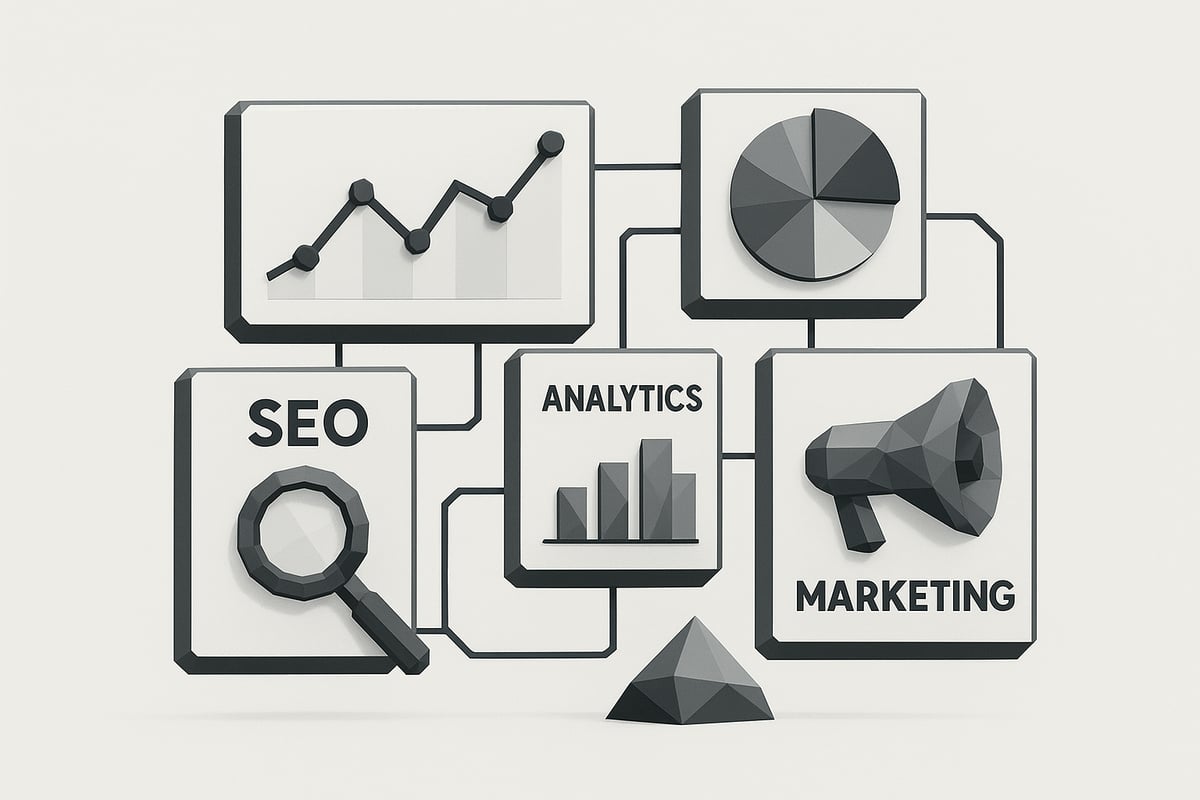
Successful automation depends on seamless connections between your SEO, analytics, and marketing tools. To automate seo reporting efficiently:
- Ensure direct integration with platforms like Google Analytics, Search Console, and Ads
- Use API-driven reporting for advanced custom setups
- Set up automated triggers for real-time alerts and scheduled report delivery
Cross-platform integration allows you to blend organic, paid, and social metrics, giving you a holistic view. With the right workflow, you’ll automate seo reporting and unlock new levels of insight.
Step-by-Step Guide to Automating SEO Reporting in 2026
Automating SEO reporting in 2026 requires a structured, strategic approach. Follow this step-by-step guide to implement a seamless workflow that delivers consistent, actionable insights while saving time and resources.
Step 1: Define Goals and KPIs
Begin your journey to automate SEO reporting by clarifying your objectives. Gather stakeholders to discuss business priorities, such as increasing organic traffic, boosting conversions, or improving revenue.
Identify core KPIs that align with these goals. For a local business, you might track map pack rankings and visits to a menu page. For ecommerce, focus on organic conversions and product page performance.
Set benchmarks for each KPI. This provides a reference point to measure progress once you automate SEO reporting, ensuring your efforts remain results-driven and transparent.
Step 2: Connect and Integrate Data Sources
The next step to automate SEO reporting is integrating all relevant data platforms. Link Google Analytics, Search Console, Ads, and backlink trackers for a comprehensive view.
Ensure real-time data synchronization to provide up-to-date insights. Expand integrations to include content analytics or competitor monitoring tools as your needs evolve.
A unified data foundation allows you to automate SEO reporting across multiple channels, eliminating data silos and creating a single source of truth for your SEO performance.
Step 3: Choose or Customize Report Templates
Select or build report templates tailored to your business model and client needs. Agencies serving ecommerce brands may opt for templates highlighting conversions and product performance, while local businesses might prioritize keyword rankings and location-based traffic.
Customize sections, add branding, and select the most relevant visualizations. White-label options help agencies maintain a professional appearance for every client.
By standardizing templates, you automate SEO reporting efficiently and maintain consistency as your client list grows.
Step 4: Add AI Insights, Annotations, and Context
Leverage AI-driven tools to enrich your reports with predictive analytics, anomaly detection, and automated annotations. These features help you automate SEO reporting by surfacing critical changes and providing high-level summaries.
Insert annotations for major events, such as site redesigns or sudden backlink spikes. Automated summaries highlight trends and explain data shifts, making reports actionable even for non-specialists.
Adopting the latest Marketing Automation Trends 2026 ensures your workflow benefits from cutting-edge AI, keeping your reports ahead of the curve.
Step 5: Schedule and Automate Report Delivery
Determine the optimal report frequency—weekly, monthly, or quarterly—based on stakeholder preferences. Use your reporting platform to automate delivery via email, dashboards, or client portals.
Consistent scheduling builds trust and ensures everyone receives timely updates. With automation, agencies can deliver reports in under 30 minutes per client, freeing up time for strategy.
Automate SEO reporting so your team never misses a deadline and your clients always stay informed.
Step 6: Monitor, Iterate, and Optimize
Regularly review your automated reports for accuracy and relevance. As business goals shift, update your KPIs and templates to reflect new priorities.
Gather feedback from stakeholders to refine your reporting process. Adjust cadence, add or remove metrics, and enhance clarity based on real-world input.
This iterative approach ensures you continue to automate SEO reporting in a way that drives value and supports evolving business needs.
Step 7: Leverage Advanced Automation Features
Unlock the full potential of automation by enabling real-time alerts for critical issues, such as sudden traffic drops or noindex tags. Integrate predictive analytics to forecast trends and spot opportunities before competitors.
API-driven reporting lets you connect SEO data with CRM or business intelligence platforms for holistic insights. As highlighted in AI's Role in SEO Evolution, AI will continue to reshape how you automate SEO reporting, making it smarter and more proactive.
By embracing these advanced features, you future-proof your workflow and stay ahead in a rapidly changing SEO landscape.
Advanced Techniques and Future Trends in SEO Report Automation
Staying ahead in SEO means embracing advanced techniques and preparing for what comes next. As you automate seo reporting, leveraging the latest innovations ensures your strategies remain competitive and effective.
Real-Time Alerts and Anomaly Detection
Modern platforms that automate seo reporting now offer real-time alerts for critical SEO issues. These automated triggers identify sudden ranking drops, crawl errors, or lost backlinks, so you can act quickly. With AI-driven anomaly detection, you receive instant notifications when expected patterns break, such as a noindex tag appearing on a key page.
This level of automation is especially crucial as AI assistants increasingly influence search results. According to AI's Impact on Local SEO, monitoring these rapid shifts is essential for maintaining local visibility. By integrating real-time alerts, you ensure issues are caught before they impact performance.
Cross-Platform and Channel Integration
To automate seo reporting effectively, agencies and brands must consolidate data from multiple channels. Integration across SEO, paid, social, and ecommerce platforms gives a holistic view of digital performance. Unified dashboards enable teams to spot channel overlap, optimize budgets, and track campaign synergy.
For example, if a keyword ranks first organically, you can adjust ad spend accordingly. Seamless cross-platform connections also support more accurate attribution. As multi-channel marketing becomes the norm, robust integration is a non-negotiable feature in advanced reporting automation.
API-Driven and Custom Reporting Workflows
API-driven workflows are transforming how organizations automate seo reporting. By connecting SEO data directly with CRM, BI, or custom dashboards, you unlock powerful, organization-wide insights. Automated data flows eliminate manual exports and ensure your reports always reflect the latest information.
A practical example is linking keyword rankings to a SaaS company’s CRM, providing direct revenue attribution. This approach supports advanced, tailored reporting that aligns with unique business needs. Custom workflows streamline processes, allowing agencies to deliver more value with less effort.
Predictive Analytics and Trend Forecasting
AI-powered predictive analytics are elevating how experts automate seo reporting. These tools analyze historical data to forecast keyword trends, spot seasonal patterns, and highlight new opportunities. For instance, AI might detect a surge in searches for “cybersecurity webinars,” prompting immediate action.
Adoption of programmatic and predictive approaches is rising rapidly. According to Programmatic SEO Statistics 2026, automation significantly enhances reporting efficiency and strategic planning. Leveraging these features helps you stay proactive and data-driven.
Enhanced Data Visualization and Client Experience
As you automate seo reporting, effective visualization becomes critical. Interactive dashboards and visual storytelling tools transform raw data into actionable insights. Automated summaries distill complex metrics into clear narratives that clients can quickly grasp.
Features like drag-and-drop builders and white-labeling elevate the client experience. Agencies can present professional, branded reports that build trust and foster long-term relationships. This focus on clarity and engagement keeps stakeholders informed and satisfied.
Evolving Best Practices for 2026 and Beyond
Best practices for those who automate seo reporting are rapidly evolving. The emphasis is on selectivity, clarity, and actionable insights rather than overwhelming stakeholders with data. Regular updates to automation workflows ensure compatibility with new tools and trends.
Scalability, customization, and cross-channel integration are now standard expectations. Agencies that embrace AI-driven features can serve more clients efficiently, maximizing impact with fewer resources. By staying agile and forward-thinking, your reporting processes will continue to deliver exceptional value.
Now that you’ve seen how automating SEO reporting can free up your time, increase accuracy, and give you real-time insights, it’s clear this is the direction forward for agencies and businesses in 2026. If you’re ready to stop spending hours on manual reports and want a smarter, more efficient way to drive results, why not take the next step? With a platform like RankPill, you can automate content creation and reporting, streamline your workflow, and focus on strategy instead of busywork. Ready to experience the future of SEO reporting?
Get Started
Unlock Traffic on Autopilot
Grow organic traffic on autopilot. RankPill will research, write, optimize, and publish articles to your website daily.