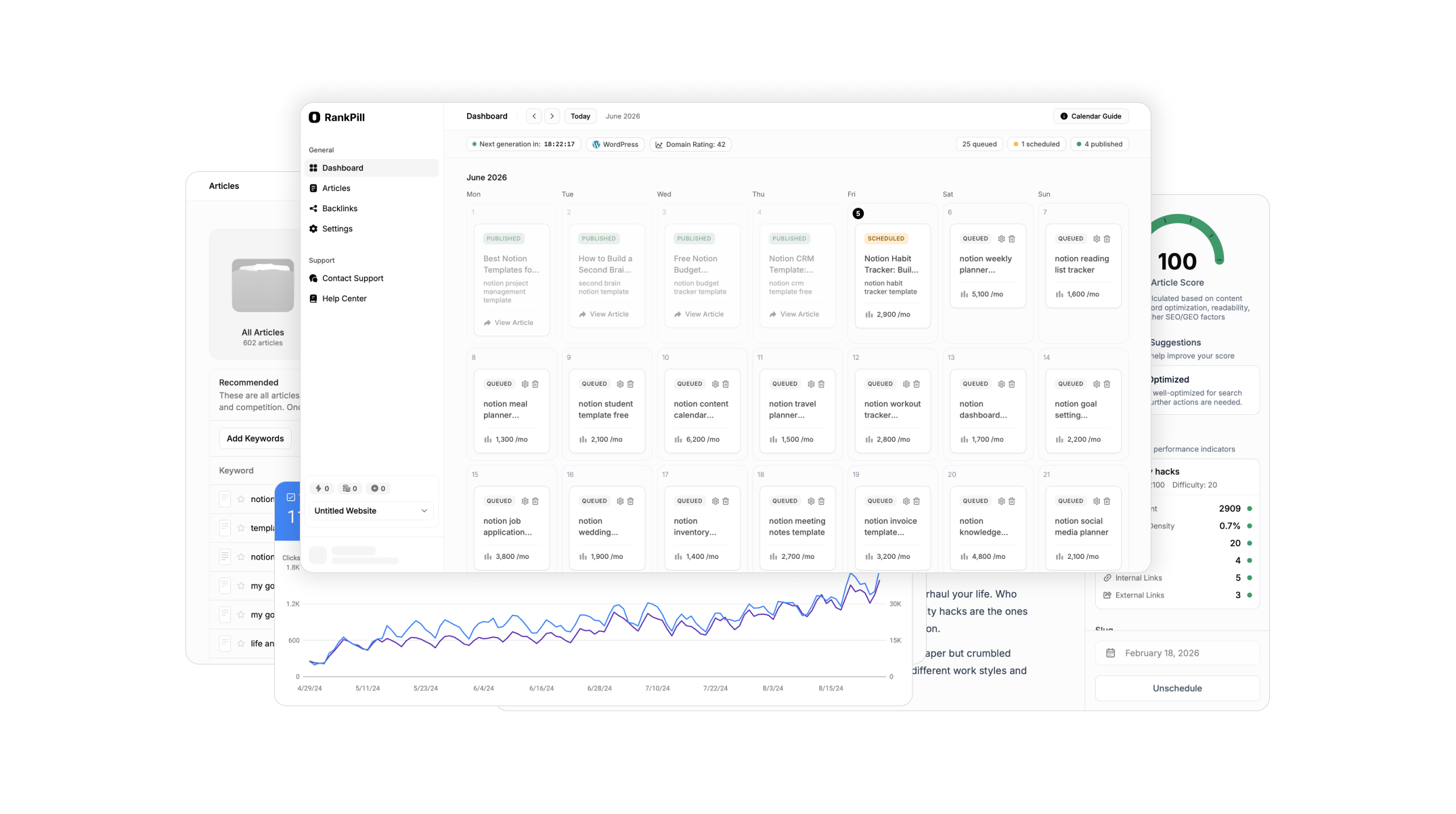
Competitor Analysis SEO Guide: Master Your Strategy in 2026

Modest Mitkus · May 7, 2026
In the fast-evolving world of search, outperforming your rivals is not optional, it is essential for survival. Over 90% of web pages receive no search traffic from Google, making it clear that only the best strategies succeed. That is where competitor analysis SEO comes in. This guide will show you how to identify true SEO competitors, analyze their winning tactics, and uncover untapped keyword opportunities. You will learn actionable, data-driven techniques to outpace your rivals and build a strategy built for 2026. Ready to dominate the rankings? Start implementing these proven methods today.
Understanding SEO Competitor Analysis
In today's digital landscape, simply optimizing your website is not enough. To stand out, you must understand who you are truly competing with in search. This is where competitor analysis seo becomes your strategic advantage, revealing the tactics, keywords, and gaps that can make or break your ranking potential.

What Is SEO Competitor Analysis?
Competitor analysis seo is the process of systematically examining the strategies, keywords, and tactics used by top-ranking websites in your industry. Unlike traditional SEO, which often focuses solely on your own site, this approach acknowledges that your visibility is determined by how well you outperform others. In fact, two-thirds of clicks go to the first five organic results, making it critical to know exactly what your competitors are doing right.
This analysis uncovers both threats and opportunities. For instance, your SEO competitors may not be your direct business rivals. A local law firm might find that its main online competition comes from national directories or niche blogs, not just other law firms.
The Value of Competitor Analysis in 2026
As we approach 2026, search algorithms and AI-driven features continue to evolve rapidly. Ongoing competitor analysis seo is essential for keeping pace with these changes. Algorithm updates and new SERP features can dramatically shift the playing field, making yesterday's tactics obsolete.
Regular analysis allows you to spot new entrants and adapt to shifting strategies. For example, roughly 1 in 10 searches result in users bouncing back to select another result, which shows how important it is to match search intent. By leveraging competitor analysis seo, you gain data-driven insights to anticipate changes rather than react to them after losing ground.
Types of SEO Competitors
It is crucial to distinguish between direct business competitors and those you face in search results. Competitor analysis seo reveals that your true rivals may change based on keyword, topic, or even content format. For example, a law firm’s competitors for "personal injury attorney" might differ from those for "estate planning services," especially across different locations.
Mapping your SEO competitors for each major keyword cluster helps you focus efforts where they matter most. In e-commerce, a store may face different competitors for each product category, requiring tailored strategies for every segment.
When to Conduct Competitor Analysis
Competitor analysis seo is not a one-time task. Key scenarios for conducting analysis include planning new content, investigating ranking drops, responding to SERP changes, or when pages stagnate. Leading SEO teams recommend making this a regular practice, especially during content ideation.
Timely analysis helps you catch emerging trends and avoid missed opportunities. By reviewing your competitive landscape frequently, you can quickly adapt to industry changes and maintain your edge in search rankings.
Step 1: Identifying Your True SEO Competitors
Pinpointing your real rivals is the foundation of successful competitor analysis seo. Relying on assumptions or business intuition often gives a skewed picture of your competitive landscape. Instead, data-driven approaches uncover who is actually competing for your organic visibility. This section walks you through proven methods to identify, segment, and assess the right SEO competitors for your strategy.
Using Data to Uncover Competitors
Effective competitor analysis seo begins with moving beyond guesswork. Many assume their business rivals are also their SEO competitors, but this is rarely the case. Instead, use SEO tools to reveal the websites truly ranking for your target keywords. Platforms like SEMrush, Ahrefs, and Moz allow you to discover organic competitors by analyzing the SERPs for your primary queries.
Features such as "Discover competitors" and "Top-ranking pages by keyword" make it straightforward to identify relevant rivals. For example, a law firm can use both manual Google searches and tools to spot competitors in specific practice areas and locations. For a detailed walkthrough, see this Competitor website keyword analysis guide.
Mapping Competitors by Keyword and Topic
Competitor analysis seo requires segmenting your rivals based on the keywords and topics you target. The set of competitors often shifts depending on your content theme, product, or user intent. For instance, an e-commerce store will face different SEO competitors for electronics than for apparel.
To stay effective, map competitors for each major keyword cluster. This ensures you are not missing critical players in niche areas. Multi-topic or multi-service sites should create separate competitor lists for every significant section. This segmentation allows you to tailor your strategies for each audience and search intent.
Evaluating Competitor Strengths
A robust competitor analysis seo process involves assessing the strengths of each rival. Start by analyzing domain authority, backlink profiles, and the overall quality of their content. Use metrics like the top 100 keywords by domain to prioritize which competitors require close monitoring.
Spotting emerging competitors is equally important. Monitor new entrants that start gaining traction for your target keywords. Early identification helps you adapt your strategy before they disrupt your rankings. Prioritizing based on strengths and weaknesses ensures your resources are focused where they have the greatest impact.
Tools and Techniques for Competitor Discovery
The right tools make competitor analysis seo more efficient and accurate. Essential platforms include SEMrush, Ahrefs, Moz, Siteimprove SEO, and Google Search Console. Use features like organic research, keyword gap analysis, and traffic analytics to extract and organize competitor data.
Actionable tips include exporting competitor keyword lists, creating spreadsheets to track changes, and setting up alerts for ranking shifts. Regularly update your data to reflect the evolving landscape. Efficient organization of this information helps you benchmark your progress and identify new threats and opportunities quickly.
How AI Platforms Like RankPill Streamline Competitor Research
Modern competitor analysis seo is evolving with AI-powered platforms like RankPill. RankPill automates the process by analyzing your website and your competitors to generate personalized keyword lists and actionable content plans. This streamlines research, saving time and improving data accuracy.
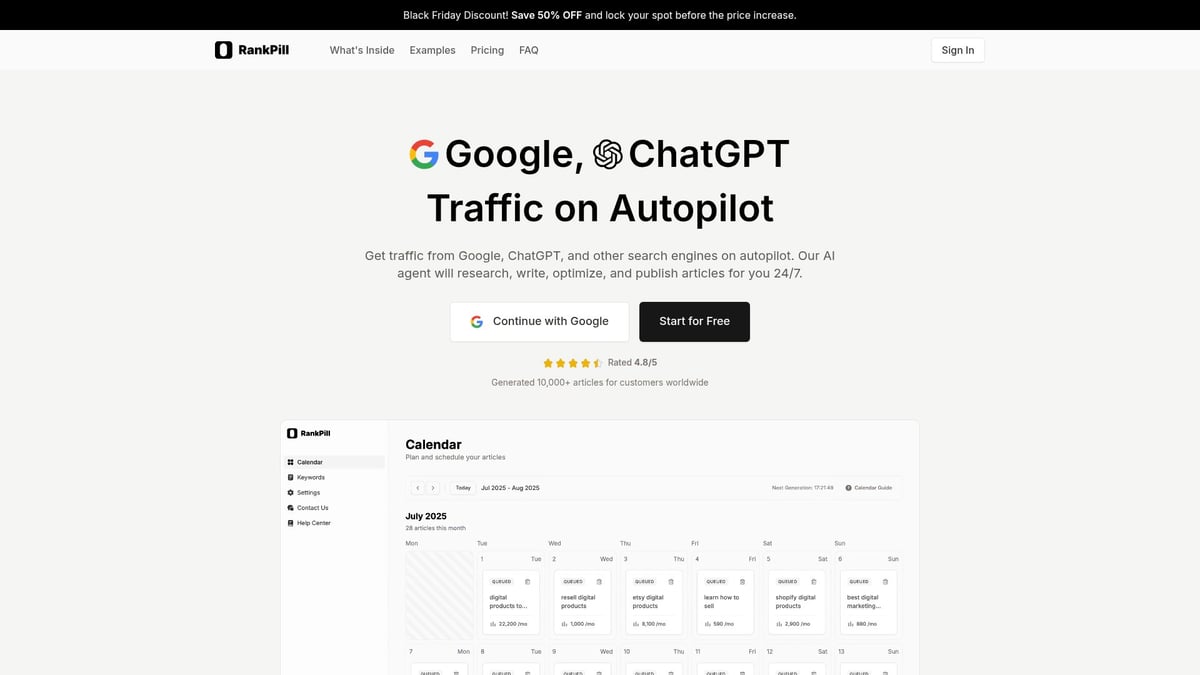
By leveraging AI, you gain scalable insights for ongoing SEO growth. Automated competitor analysis means you can quickly adapt to changes in the SERPs and outpace rivals. RankPill is an alternative to fragmented manual research, making it easier to maintain a competitive edge as your market evolves.
Step 2: Analyzing Competitor Keyword Strategies
Unlocking the secrets behind your competitors’ keyword strategies is a cornerstone of effective competitor analysis seo. By systematically dissecting their keyword approach, you can reveal untapped opportunities and gain the upper hand. Let’s break down each step for actionable results.

Identifying High-Value Keywords
To get started with competitor analysis seo, focus on extracting your competitors’ top-performing keywords. Use advanced SEO tools like SEMrush or Ahrefs to pull these lists. Pay special attention to keywords that drive significant traffic for your rivals and align with your own business goals.
A practical method is to filter for “Top keywords by domain.” This helps you quickly narrow down the list to those with high search volume, strong relevance, and realistic ranking potential. By prioritizing these high-value keywords, you lay the groundwork for a more effective and targeted SEO campaign.
Assessing Keyword Gaps and Opportunities
A core aspect of competitor analysis seo is identifying where your keyword coverage falls short. Keyword gap analysis allows you to uncover terms your competitors rank for, but you do not. This reveals immediate opportunities to expand your content and attract new audiences.
Use tools to create a side-by-side comparison of your website and your competitors. Look for high-potential keywords that are missing from your own portfolio. For an in-depth walkthrough of this process, you can refer to the Competitor keyword research guide, which outlines actionable steps for discovering and leveraging these gaps.
Focusing on Search Intent Over Search Volume
Understanding search intent is essential for successful competitor analysis seo. While high search volume is attractive, it’s user intent that determines whether your content meets the needs of searchers. Analyze the SERPs, review “People Also Ask” sections, and study the types of content your competitors use to satisfy various intents.
Pay attention to why one in ten users might return to the search results after clicking a page. This often happens when search intent is not matched. Align your content with what users are actually seeking, whether informational, transactional, or navigational, to outperform your competition.
Exploring Long-Tail and Niche Keywords
Targeting long-tail and niche keywords is a strategic move in competitor analysis seo, especially for smaller or newer sites. These keywords are less competitive but highly specific, making them easier to rank for and more likely to attract qualified visitors.
Look for areas where your competitors have limited coverage. Create comprehensive guides, FAQs, or listicles that address these specialized topics in depth. By dominating these niche areas, your site can carve out authority and steadily build organic traffic.
Monitoring Keyword Trends and SERP Features
Staying ahead requires ongoing vigilance in competitor analysis seo. Track how keyword rankings shift for both your site and your competitors. Monitor the appearance of featured snippets, local packs, and other SERP features that can impact visibility.
Regular keyword audits are critical. Watch for changes driven by Google updates or AI-generated results. By adapting your strategy in real time, you can capitalize on emerging opportunities and defend your rankings against new or aggressive competitors.
Step 3: Auditing Competitor On-Page and Content Strategies
Gaining an edge in search requires a deep dive into your competitors’ on-page and content tactics. By applying competitor analysis seo, you can uncover what drives their rankings and identify areas for your own improvement. Let’s break down the core areas to review in your audit.

Dissecting Content Structure and Depth
Start your competitor analysis seo by examining how top-ranking pages are structured. Look for patterns such as:
- Use of headings (H1, H2, H3) and clear subheadings
- Bullet points, numbered lists, and concise paragraphs
- Integration of multimedia elements like images, charts, or videos
Well-structured content signals expertise and improves readability. For example, if your competitors offer simple top 10 lists, consider expanding with more comprehensive guides, detailed explanations, or supporting visuals. This approach not only matches but exceeds the depth found on existing ranking pages.
Evaluating Content Quality and Authority
Authority is a cornerstone of competitor analysis seo. Evaluate how competitors establish expertise and trust:
- Do they cite credible sources or include expert authors?
- Is E-E-A-T (Experience, Expertise, Authoritativeness, Trustworthiness) clearly demonstrated?
- Are trust signals such as testimonials, awards, or case studies present?
Look for content that features subject matter experts or authoritative voices. For a more detailed guide, review content competitor analysis strategies to see how leading sites build authority and credibility. By benchmarking against these elements, you can identify opportunities to strengthen your own site’s perceived expertise.
Reviewing Content Frequency and Freshness
Consistent updates are vital in competitor analysis seo. Monitor how often your competitors refresh their blogs, landing pages, or resource sections. Fresh content can attract more organic traffic and signal to search engines that the site is active.
For instance, law firms that regularly update their practice area pages tend to outperform those with outdated information. Set a schedule to audit and refresh your own content, ensuring you never fall behind competitors in content relevance or timeliness.
Analyzing User Engagement Elements
User engagement is a critical metric in competitor analysis seo. Examine how competitors encourage visitors to interact with their content:
- Internal links guiding users to related topics
- Clear calls to action (CTAs) prompting downloads or inquiries
- Interactive features such as quizzes, calculators, or infographics
Well-placed engagement elements can reduce bounce rates and increase time on page. Identify gaps in your own approach and integrate proven strategies to boost user interaction and search rankings.
Spotting Content Gaps and Expansion Opportunities
Use competitor analysis seo to find topics, FAQs, or content formats your rivals have missed. Scan their blogs and resource libraries for missing guides, underdeveloped subjects, or limited multimedia.
Create unique resources like videos, infographics, or downloadable checklists to fill these gaps. For example, if competitors lack detailed local SEO guides, develop in-depth content tailored to your audience. This proactive strategy ensures you capture untapped traffic and position your brand as an industry leader.
Step 4: Evaluating Off-Page and Technical SEO Tactics
In competitor analysis seo, off-page and technical factors often determine who claims the top spots. Even the best content can fall behind if competitors build stronger links, promote content better, or optimize their site’s technical foundation. Let’s break down how to evaluate and benchmark these areas for a winning strategy.
Backlink Profile Analysis
The foundation of competitor analysis seo is a thorough review of backlink profiles. Start by examining where competitors are earning their links, the authority of those sources, and how diverse their backlink portfolios are. Use tools like Ahrefs or Moz to export competitor backlink data and identify high-value opportunities.
| Metric | Your Site | Competitor A | Competitor B |
|---|---|---|---|
| Referring Domains | 120 | 180 | 150 |
| Authority Score | 35 | 43 | 39 |
| Niche Links | 50 | 70 | 65 |
Look for gaps where you can pursue similar or higher-quality links. For example, if legal firms are featured in industry publications or directories, target those sources to strengthen your own backlink profile.
Social Signals and Content Promotion
Competitor analysis seo extends beyond links to include how competitors use social media for amplification. Review their primary distribution channels: do they actively share blog posts on LinkedIn, Twitter, or Facebook? Are influencer partnerships or brand mentions driving engagement?
- Identify which platforms drive the most referral traffic.
- Analyze post frequency and engagement metrics.
- Benchmark your own promotion tactics against theirs.
Firms with a consistent, active social presence often gain additional traffic and authority. Monitoring these signals helps you refine your content promotion strategy for greater impact.
Technical SEO Factors: Speed, Mobile, and Security
Technical site health is a core pillar of competitor analysis seo. Audit your competitors for page speed using Google PageSpeed Insights, check for mobile responsiveness, and confirm HTTPS is in place. Google prioritizes sites that load quickly, work flawlessly on mobile, and use secure connections.
If a competitor’s site is slow or not mobile-friendly, that’s your opportunity to outperform them. Regularly test your own site against theirs to ensure you remain ahead in these critical technical areas.
Structured Data and SERP Enhancements
Structured data is a key differentiator in competitor analysis seo. Assess whether competitors use schema markup to enable rich snippets, FAQs, or other SERP enhancements. These elements can significantly improve click-through rates and visibility.
- Check for product, review, or article schema.
- Analyze which SERP features competitors own.
- Implement or optimize your own markup to match or surpass their presence.
By leveraging structured data, you can compete more effectively for valuable real estate in the search results.
Monitoring Algorithm Updates and Industry Shifts
Staying agile is vital in competitor analysis seo, especially as Google’s algorithms and search features evolve. Track how competitors respond to major updates. Use technical audits to spot vulnerabilities, such as outdated tactics or slow adaptation.
When rivals are slow to adjust, capitalize by updating your own strategy promptly. This proactive approach ensures you not only keep pace but also seize opportunities to gain ground in your niche.
Step 5: Turning Analysis into Actionable SEO Strategy
Transforming insight into action is the final and most critical stage of competitor analysis seo. With a clear understanding of your rivals, it is time to translate findings into a strategy that drives real results. The following steps will help you move from analysis to execution, ensuring your SEO plan is both targeted and adaptable.
Prioritizing Opportunities Based on Competitor Weaknesses
Start by listing areas where your competitors fall behind. Use your competitor analysis seo to pinpoint outdated content, technical SEO gaps, or missing keywords on rival sites. Create a table to rank these opportunities by impact and effort:
| Opportunity | Impact | Effort |
|---|---|---|
| Update old blog posts | High | Low |
| Improve site speed | High | Medium |
| Target missed keywords | Medium | Low |
By prioritizing these weaknesses, you can focus resources on high-value actions that will help you outpace competitors quickly. Regular reviews ensure your prioritization adapts as the market shifts.
Replicating and Improving on Competitor Successes
Competitor analysis seo also reveals what your rivals are doing right. Identify successful content formats, backlink strategies, or user engagement elements. Then, find ways to enhance or differentiate your approach, such as:
- Expanding on popular blog topics with deeper insights
- Adding multimedia or interactive elements to outperform static content
- Securing higher-quality backlinks from authoritative sources
Always aim to provide unique value that sets your site apart. This approach not only matches competitor strengths but also raises your brand’s authority in the eyes of users and search engines.
Building a Dynamic Content and SEO Roadmap
Use insights from competitor analysis seo to create a strategic content calendar, technical improvements list, and regular optimization cycles. For a practical workflow, integrate steps from Keyword research and competitor analysis to ensure your roadmap is grounded in data and aligned with evolving keyword opportunities.
- Schedule monthly competitor audits
- Plan content updates based on shifting SERPs
- Allocate resources for technical enhancements
A dynamic roadmap keeps your SEO efforts proactive and responsive to ongoing industry trends.
Measuring and Tracking Performance Against Competitors
Establish clear KPIs to evaluate your progress. Your competitor analysis seo should inform benchmarks for organic traffic, keyword rankings, and backlink profiles. Use the following process:
- Set up dashboards to monitor ranking shifts
- Track improvements in keyword gaps
- Compare backlink growth month over month
Consider using a table to visualize progress:
| Metric | Your Site | Top Competitor | Goal |
|---|---|---|---|
| Organic Traffic | 12,000 | 15,500 | 16,000 |
| Ranking Keywords | 150 | 200 | 210 |
| Backlinks | 500 | 800 | 850 |
Frequent measurement enables you to adjust your strategy before competitors pull ahead.
Scaling and Automating Your Competitor Analysis
As search evolves, scaling your competitor analysis seo is vital. Manual processes become inefficient as your site and industry grow. Leverage AI-powered tools and automation to streamline routine tasks, freeing up resources for strategic decisions. In fact, 79% of organizations report AI agent adoption as of 2026, highlighting the importance of embracing automation for SEO.
- Automate keyword tracking and competitor monitoring
- Use AI to uncover new opportunities faster
- Scale analysis across multiple sites or business units
Automation ensures your competitor analysis remains actionable and relevant, keeping your SEO strategy ahead of the curve.
Now that you’ve explored how to identify your true SEO competitors, analyze their winning strategies, and uncover actionable opportunities, it’s time to put your knowledge into practice. Mastering competitor analysis is how you stay ahead in a landscape where search algorithms and rivals are always evolving. With an AI-powered platform like RankPill, you can automate time-consuming research, generate content tailored to your market, and ensure your strategy is always data driven and effective. If you’re ready to elevate your SEO approach and see measurable results, Get Started.
Unlock Traffic on Autopilot
Grow organic traffic on autopilot. RankPill will research, write, optimize, and publish articles to your website daily.