Google And AI Content Guide: Navigating 2026 SEO Trends

Modest Mitkus · May 7, 2026
Google’s search algorithms are changing rapidly, and the rise of artificial intelligence is transforming how digital marketing works in 2026. This shift has sparked ongoing debate and confusion about google and ai content, especially regarding how it affects SEO rankings and online visibility.
Businesses, marketers, and content creators now face a new challenge: adapting strategies to stay visible and credible in search results. As the landscape evolves, understanding the rules is more important than ever.
This article provides a clear, authoritative guide to navigating Google’s latest AI content policies. You will learn about emerging SEO trends for 2026 and discover actionable steps to future-proof your approach. We will explore Google’s evolving policies, AI content quality guidelines, E-E-A-T, user intent, practical optimization, compliance risks, and future predictions.
Google’s Evolving Stance on AI-Generated Content
The relationship between Google and ai content has undergone a remarkable transformation in recent years. As AI-generated text and tools have become mainstream, understanding how Google evaluates and rewards this content is essential for anyone aiming to succeed in the evolving SEO landscape.
Historical Context: From Spam to Sophistication
In the early 2010s, Google and ai content were rarely mentioned in the same breath. Google's policies were clear: any form of automated or spun content was considered spam, often resulting in severe penalties. Notable cases included Interflora and BMW, both penalized for manipulative tactics and low-quality mass production.
Back then, Google's algorithms were not sophisticated enough to differentiate between various types of automation. All automated content, regardless of intent or value, was treated with suspicion. This led to a widespread fear of using any AI-powered tools, even for legitimate purposes.
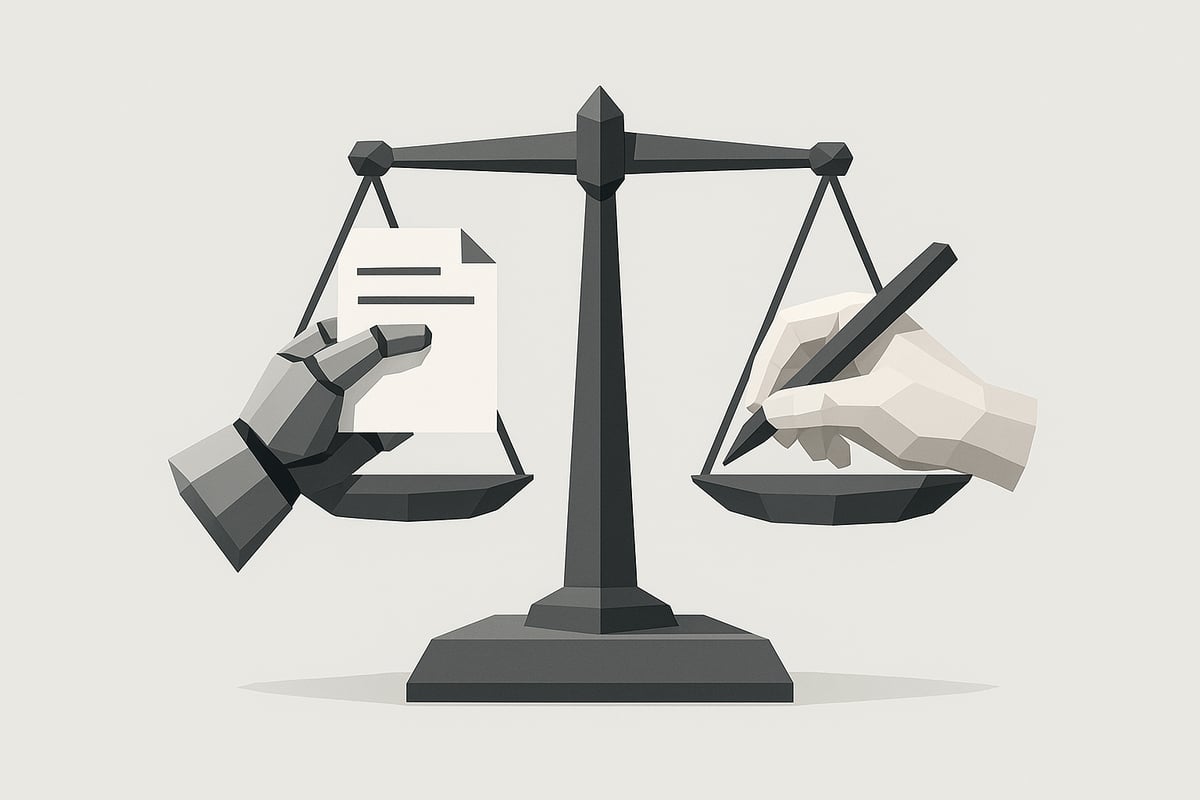
A turning point arrived in 2022 when John Mueller clarified that Google's focus was not on the method of content creation but on its quality. This shift became official with the 2023 Search Central blog post, which emphasized that high-quality content would be rewarded, regardless of whether it was produced by humans or AI.
Between 2023 and 2026, the adoption of AI-generated content soared. Businesses and publishers began integrating generative AI into their workflows, resulting in a dramatic increase in the volume and sophistication of content available online. Still, Google and ai content remained a topic of debate, as the line between helpful automation and spammy manipulation was often blurred.
Google’s 2026 Policy: “Rewarding High-Quality Content, However It’s Produced”
By 2026, Google's stance on AI content had evolved to prioritize value and originality over the method of production. The official position is clear: Google rewards high-quality content, whether created by humans, AI, or a combination of both. The guiding principle is simple: content should serve users first, not attempt to game the system.
Google’s documentation stresses that content created primarily for people, offering genuine insight or utility, is acceptable. However, automatically generated content that exists only to manipulate rankings, such as keyword stuffing or thin aggregation, is still classified as spam. These distinctions are crucial for anyone navigating the intersection of Google and ai content today.
For those seeking clarity, Google's guidance on generative AI content offers direct insight into what is permitted and what is penalized. The document emphasizes transparency, user value, and the importance of avoiding deceptive practices. Publishers and SEOs must now focus on intent, ensuring their content delivers real value and is not simply churned out to fill search results.
This policy shift has created new gray areas. For example, AI-assisted content that is well-edited and enriched with expert input tends to perform well. In contrast, low-effort, AI-only content lacking originality or usefulness is likely to be filtered out or even penalized. As a result, the relationship between Google and ai content is now defined by quality and user focus, not the underlying technology.
Key Takeaways for Content Creators
Understanding Google and ai content policies is critical for anyone producing digital material in 2026. The focus has shifted from how content is made to why and for whom it is created.
Here are essential strategies for aligning with Google's expectations:
- Prioritize originality, intent, and usefulness in every piece.
- Be transparent about AI involvement, using author bylines and disclosures when appropriate.
- Enrich AI-generated drafts with expert insights, data, and multimedia.
- Regularly review and update content to maintain high standards and avoid compliance issues.
Successful examples often combine AI efficiency with human oversight, resulting in content that ranks well and serves users effectively. On the other hand, sites relying solely on unedited, low-quality automation risk penalties and loss of visibility. The future of Google and ai content is about balance, transparency, and a relentless commitment to quality.
AI Content Quality: Meeting Google’s E-E-A-T and User Intent in 2026
As google and ai content reshape digital marketing, understanding how to meet Google's E-E-A-T standards and user intent is essential for long-term SEO success. In this section, we explore how content creators can ensure their AI-assisted articles meet evolving quality benchmarks and deliver real value to audiences.
Understanding E-E-A-T in the Age of AI
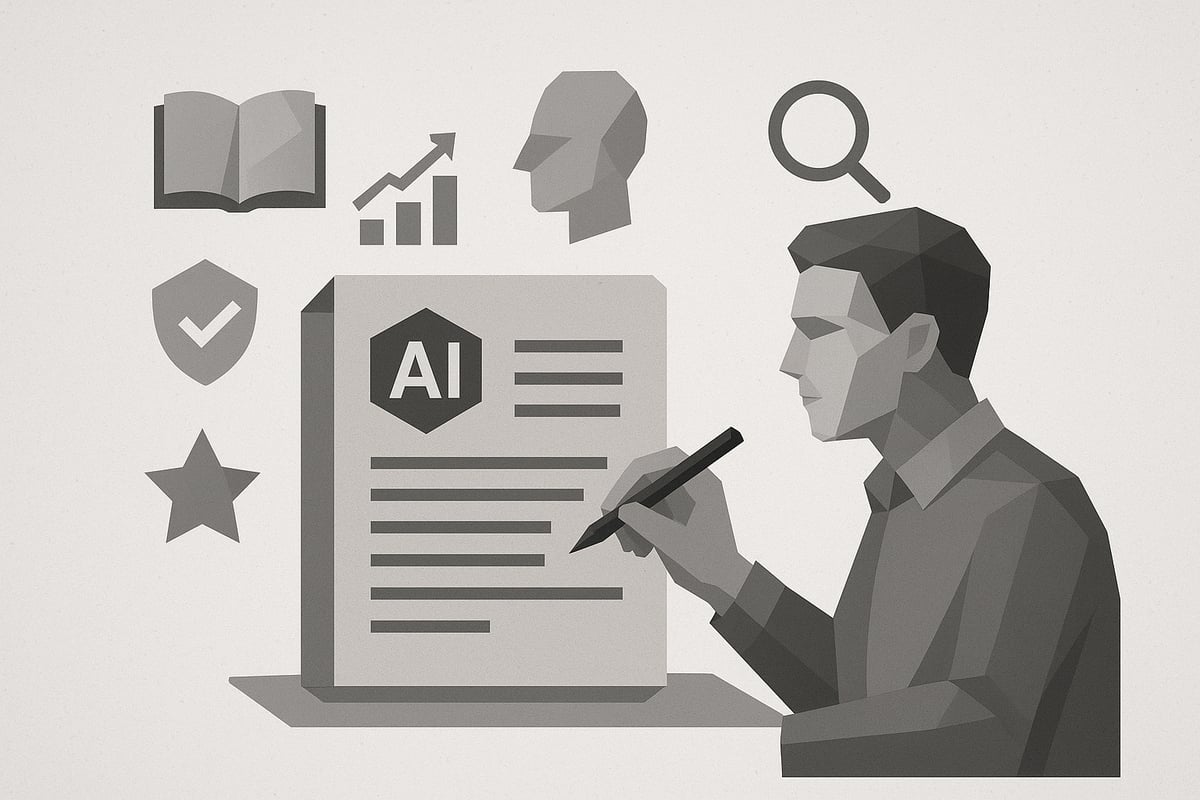
Google’s E-E-A-T framework—Experience, Expertise, Authoritativeness, Trustworthiness—has become central to ranking high-quality google and ai content. In 2023, “Experience” was added to recognize the importance of firsthand knowledge. For AI-generated content, this means articles should not only be accurate and well-sourced but also reflect real-world insights.
Google’s algorithms now evaluate both hybrid (AI + human) and human-only content for E-E-A-T signals. Hybrid workflows allow creators to blend AI efficiency with expert input, strengthening content credibility. For example, integrating expert reviews and citing transparent sources in AI-assisted posts can boost both trust and authority.
A key difference between successful and underperforming google and ai content is the presence of unique perspectives or practical experience. Articles that simply summarize existing information rarely meet Google’s evolving standards. For a deeper dive into how E-E-A-T shapes AI-driven rankings, see this analysis of E-E-A-T in SEO for an AI-optimized future.
| E-E-A-T Factor | AI-Only Content | Hybrid AI + Human | Human-Only Content |
|---|---|---|---|
| Experience | Low | Medium-High | High |
| Expertise | Medium | High | High |
| Authoritativeness | Medium | High | High |
| Trustworthiness | Variable | High | High |
Aligning AI Content with Search Intent
For google and ai content to perform well, matching user search intent is non-negotiable. Google now prioritizes content that directly addresses what users are seeking—be it informational, transactional, navigational, or commercial answers.
AI tools can help analyze intent signals and optimize content accordingly. For instance, keyword clustering and context analysis ensure articles align with what users want to know, not just what keywords they use. Case studies in 2026 revealed that AI-generated posts crafted around clear user intent saw higher click-through rates and longer dwell times compared to generic, thin content.
On the other hand, google and ai content that misreads intent or tries to cover too many topics often gets penalized or ignored by users. Monitoring engagement metrics and refining approach based on real-world feedback is crucial. Remember, intent alignment is the foundation for both user satisfaction and SEO.
Avoiding Common Pitfalls: What Not to Do with AI Content
Even as AI tools advance, certain practices remain red flags for Google. Content creators must avoid keyword stuffing, spinning, unedited machine translation, scraping, and value-less aggregation. These tactics signal low-quality google and ai content and put sites at risk of penalties.
Recent penalties illustrate the risks. Sites relying on automated content spinning or scraping saw drops in rankings and even deindexing. Google expects every piece of google and ai content to be reviewed and enriched by humans, ensuring it offers something new or useful.
Here are key pitfalls to avoid:
- Excessive keyword repetition
- Rewording existing articles without adding value
- Publishing AI drafts without expert review
- Aggregating information without insights
- Relying solely on machine translation
To maintain compliance, always prioritize originality and usefulness in every article.
Practical Tips for Enhancing AI Content Quality
To future-proof google and ai content, blend AI’s speed with human expertise. Start by bringing in subject matter experts to review and enrich AI drafts. Add unique insights, case studies, or original data to differentiate your content.
Incorporate multimedia such as images, infographics, and videos to boost engagement. Use checklists and tables for clarity. Regularly audit your site to update outdated information and maintain E-E-A-T standards.
A sample workflow for quality assurance:
- Generate AI draft based on outlined topics.
- Have an expert review and add firsthand experience.
- Fact-check and cite authoritative sources.
- Add visuals and format for readability.
- Run a final audit for E-E-A-T and user intent.
Continuous improvement is key. By combining technology with editorial oversight, your google and ai content will remain competitive and compliant in 2026.
Step-by-Step Guide: Optimizing SEO for Google and AI Content in 2026
Staying ahead with google and ai content requires a strategic, multi-layered approach in 2026. This guide walks you through each critical step, ensuring your content not only meets Google's expectations but also stands out for quality and user value.
1. Content Planning and Keyword Research in the AI Era
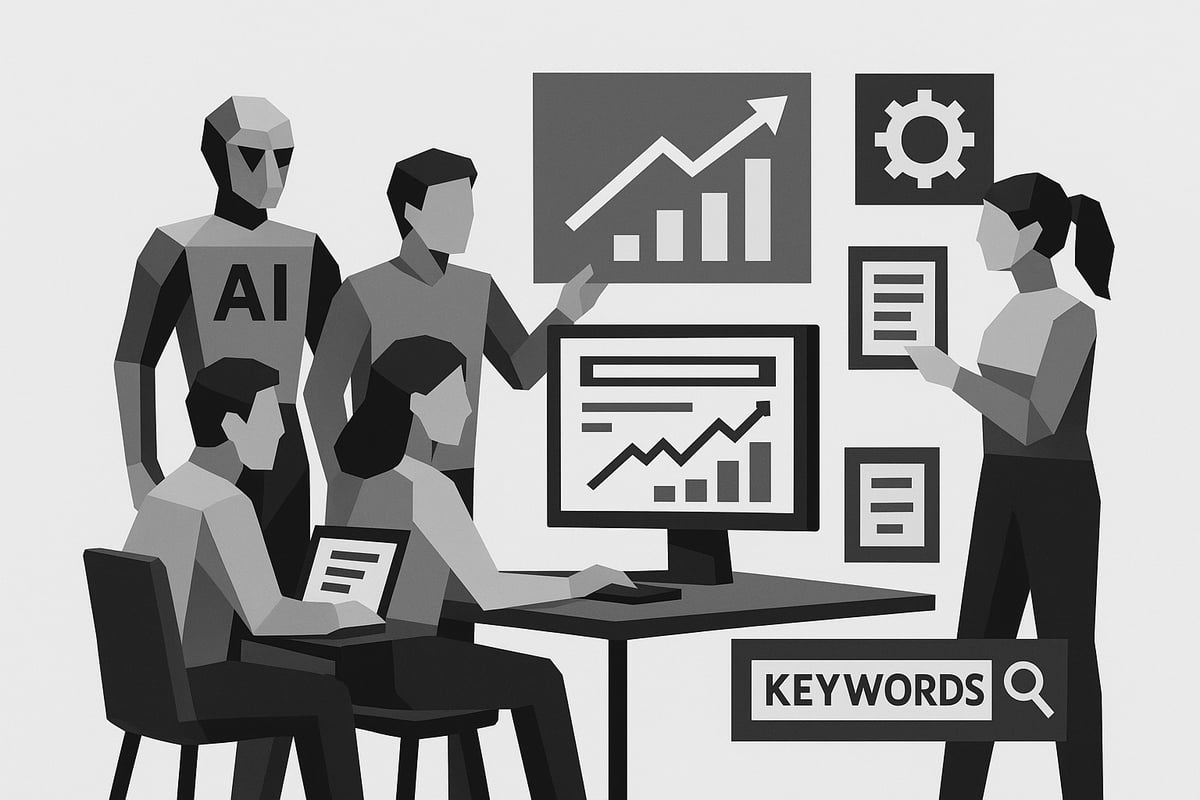
Effective google and ai content starts with advanced planning. AI-driven keyword research tools now cluster related terms, analyze search intent, and surface trending topics faster than ever. Use these tools to identify gaps in your niche and map out a comprehensive content calendar.
Begin by analyzing top competitors’ content with AI platforms. Look for keyword clusters that align with your audience’s needs. Prioritize topics where you can add unique value or expertise.
Next, use AI to forecast search trends and seasonal fluctuations. This allows you to schedule content that will be timely and relevant. For more detailed strategies, review Google's approach to AI and SEO, which dives deeper into planning and research in the current landscape.
Organize your findings in a table for clarity:
| Task | Tool Example | Outcome |
|---|---|---|
| Keyword Clustering | SEMrush, Ahrefs AI | Topic Groups |
| Intent Analysis | Clearscope, Surfer | User-Focused Content Ideas |
| Competitor Gap Analysis | MarketMuse, Frase | Untapped Content Opportunities |
A robust planning phase ensures your google and ai content is set up for success.
2. Creating High-Quality, People-First Content
The heart of successful google and ai content is quality. Structure every article to address user questions directly, demonstrate E-E-A-T, and offer actionable insights. Start with an AI-generated draft, but always involve human experts for review and enrichment.
Blend factual research, case studies, and unique perspectives. Use clear headings, concise paragraphs, and highlight key takeaways. Add multimedia elements—such as AI-generated images or short videos—to boost engagement and dwell time.
Here are some best practices:
- Begin with a compelling introduction that matches user intent.
- Insert expert quotes or original data to reinforce trust.
- Break up text with bullet points and visuals.
- Edit thoroughly for clarity, accuracy, and tone.
Remember, google and ai content that feels authentic and authoritative resonates most with both users and search engines.
3. Technical SEO and Structured Data
Optimizing technical aspects is vital for google and ai content visibility. Schema markup clarifies your content’s purpose, authorship, and structure to Google’s algorithms. Use code snippets like the following for articles:
{
  "@context": "https://schema.org",
  "@type": "Article",
  "author": {
    "@type": "Person",
    "name": "Expert Name"
  },
  "headline": "Guide to Google and AI Content"
}
Ensure your site is mobile-first, loads quickly, and passes accessibility checks. AI-powered SEO tools can audit for broken links, duplicate content, and structured data errors.
Optimize for Google’s AI features, such as SGE and featured snippets, by using concise answers and bullet lists. Regularly update your site’s health to maintain top performance. This technical diligence supports the long-term success of your google and ai content.
4. Transparency, Authorship, and Disclosures
Building trust with your audience and Google is essential for google and ai content. Always provide clear author bylines and bios, especially when AI assists with drafting. If content is AI-assisted, add a short disclosure at the end of the article.
Example disclosure statement:
"This article was created with the assistance of AI tools and reviewed by our editorial team for accuracy and relevance."
Display credentials for human contributors and link to their profiles. Transparency signals expertise and trustworthiness, both key to E-E-A-T.
Remember to keep disclosure statements visible but unobtrusive. This approach reassures readers and aligns with best practices for google and ai content in 2026.
5. Monitoring Performance and Adapting to Algorithm Updates
Continuous improvement is crucial for google and ai content. Set up analytics to track rankings, user engagement, and content quality signals. Use AI tools to detect content decay, identify refresh opportunities, and analyze user behavior shifts.
When Google releases core updates, review your top-performing pages. Adjust content as needed to maintain alignment with new guidelines. Stay connected to SEO forums and official channels for timely updates.
Consider this simple workflow:
- Monitor rankings and engagement weekly.
- Audit content quarterly with AI tools.
- Refresh or expand articles based on performance data.
- Educate your team on new SEO trends and Google announcements.
By staying adaptable, your google and ai content remains competitive and future-proof.
Risks, Penalties, and Compliance: What Happens If You Get It Wrong?
The landscape of google and ai content is evolving rapidly, but with innovation comes risk. As Google’s algorithms become more sophisticated, so do their methods for detecting misuse of AI-generated content. Understanding the consequences of non-compliance is essential for every publisher, marketer, and business relying on digital visibility.
Types of Penalties for AI Content Misuse
Google has a history of penalizing those who try to manipulate search rankings, and this extends to google and ai content. If content is created primarily to game the system, it can trigger a range of penalties. The most common is downranking, where affected pages lose their positions in search results. More severe violations, such as large-scale spam or link schemes, may result in domain blacklisting.
Some well-known cases, like Interflora, BMW, J.C. Penney, and Overstock.com, demonstrate that it is not the use of AI itself, but the intent and execution, that leads to sanctions. For example, these brands faced penalties for manipulative tactics, not for leveraging new technologies.
Below is a summary table of common penalties and their triggers:
| Penalty Type | Triggered By |
|---|---|
| Downranking | Thin, repetitive, or over-optimized content |
| Deindexing | Large-scale spam or scraping |
| Domain Blacklisting | Link schemes, malware, phishing |
Google and ai content must serve users first. Automated content that lacks value, is stuffed with keywords, or is simply spun from other sources is likely to be flagged as spam.
Identifying and Fixing Problematic AI Content
Spotting a penalty related to google and ai content often starts with a sudden drop in organic traffic, loss of rich results, or even deindexing from search. These red flags signal that your content may have violated Google’s guidelines.
To address these issues, conduct a thorough audit of your AI-generated pages. Look for signs of thinness, duplication, or lack of original insight. Incorporate manual review and enrich your content with expert input, unique data, and multimedia elements.
Here are practical steps to recover:
- Use analytics to identify underperforming pages.
- Cross-reference with Google Search Console for penalty notifications.
- Update or remove content that does not meet quality standards.
- Reintroduce value by adding human insights and transparent sourcing.
- Monitor performance post-remediation for improvements.
For a deeper look at best practices, visit AI content quality for SEO, which details strategies for aligning with Google's evolving standards.
Remember, google and ai content is not inherently risky when used responsibly. The key is maintaining originality, user focus, and transparency throughout your workflow.
Future-Proofing Against Policy Changes
The future of google and ai content will be shaped by ongoing updates to Google’s algorithms and policies. To protect your digital presence, build adaptable workflows that combine AI efficiency with strong editorial oversight.
Stay proactive by:
- Regularly updating your team on Google’s latest Search Central announcements.
- Investing in continuous education and training on SEO best practices.
- Using AI tools that support human review rather than replace it.
- Creating feedback loops to learn from user engagement and algorithmic changes.
By embedding flexibility and compliance into your processes, you can minimize risks and ensure that your google and ai content remains visible, authoritative, and future-ready.
Future Trends: The Evolution of AI, Google, and SEO Beyond 2026
The landscape of google and ai content is entering a transformative period beyond 2026. As artificial intelligence matures, search is evolving from simple keyword matching to complex, context-driven experiences. Businesses must anticipate these shifts to remain visible and competitive as Google’s algorithms become more sophisticated in understanding both content and user intent.
The Next Frontier of AI Content and Search
Looking ahead, google and ai content will play a central role in reshaping how users interact with search engines. AI’s influence is expanding into highly personalized search results, voice-driven queries, and seamless integration of text, images, and video. Google is expected to further embed AI into its ranking systems, prioritizing content that not only answers direct questions but also anticipates user needs throughout their search journeys.
The concept of “search journeys” is gaining traction, where users interact with Google through conversational AI and multi-step tasks rather than isolated queries. This evolution is pushing content strategies beyond traditional SEO, requiring adaptation to AI-powered answer engines and dynamic SERP features. For a broader understanding of this shift, see Answer engine optimization, which highlights how optimizing for AI-driven search differs from classic SEO approaches.
As multimodal and conversational search become the norm, brands must focus on creating unified content experiences that match the fluidity and complexity of modern user behavior. Google and ai content will need to be more adaptive, context-aware, and ready for rapid change.
Preparing for a Hybrid Human-AI Content Ecosystem
The future will be defined by hybrid workflows where humans and AI collaborate to produce the highest quality google and ai content. Rather than relying solely on automation, leading brands will combine AI’s efficiency with human creativity, expertise, and editorial oversight. This approach ensures content meets the rigorous standards of E-E-A-T and resonates authentically with target audiences.
Key skills for the next wave of content professionals include prompt engineering, AI content editing, data storytelling, and maintaining a consistent brand voice. As AI-generated text becomes widespread, standing out will require a strong focus on trust, transparency, and unique perspectives only humans can provide.
Building a recognizable and trustworthy digital identity is crucial. Strategies that add human value—such as expert input, real stories, and nuanced analysis—are essential for success. To learn how to enhance the human touch in AI-driven strategies, explore Humanizing AI-generated content, which offers actionable techniques to support E-E-A-T and user intent.
Ultimately, organizations that foster collaboration between technical and editorial teams will create google and ai content that consistently outperforms generic, automated outputs.
Strategic Recommendations for Businesses and Marketers
To thrive in this new era, businesses must invest in advanced tools and develop agile, cross-functional teams. Start by integrating AI-powered SEO platforms that monitor trends, automate routine tasks, and surface optimization opportunities in real time. Prioritize ongoing training for staff in both technical SEO and editorial best practices.
A forward-thinking approach to google and ai content includes:
- Regularly auditing and updating content for E-E-A-T and relevance
- Experimenting with new formats, such as interactive and multimodal experiences
- Maintaining transparent disclosures and clear authorship signals
- Encouraging a culture of continuous learning and adaptation
Use this checklist to guide your organization:
| Success Factor | Action Item |
|---|---|
| AI Integration | Adopt AI tools for research and review |
| Editorial Oversight | Human review and enrichment |
| Transparency | Disclose AI involvement |
| User Focus | Optimize for intent and engagement |
| Continuous Auditing | Monitor, update, and adapt |
By focusing on these priorities, your team can future-proof its google and ai content strategy—ensuring lasting visibility, authority, and user trust in the evolving SEO landscape.
Navigating the evolving landscape of Google and AI-powered content can feel overwhelming, but you don’t have to do it alone. As we’ve explored, staying ahead in 2026 means blending quality, compliance, and innovation in every piece you publish. If you’re ready to streamline your SEO strategy, automate high-quality content creation, and keep your business visible in search results, now is the perfect time to take the next step. Let’s make future-proofing your content easier and more effective—Get Started with the tools and guidance you need for success.
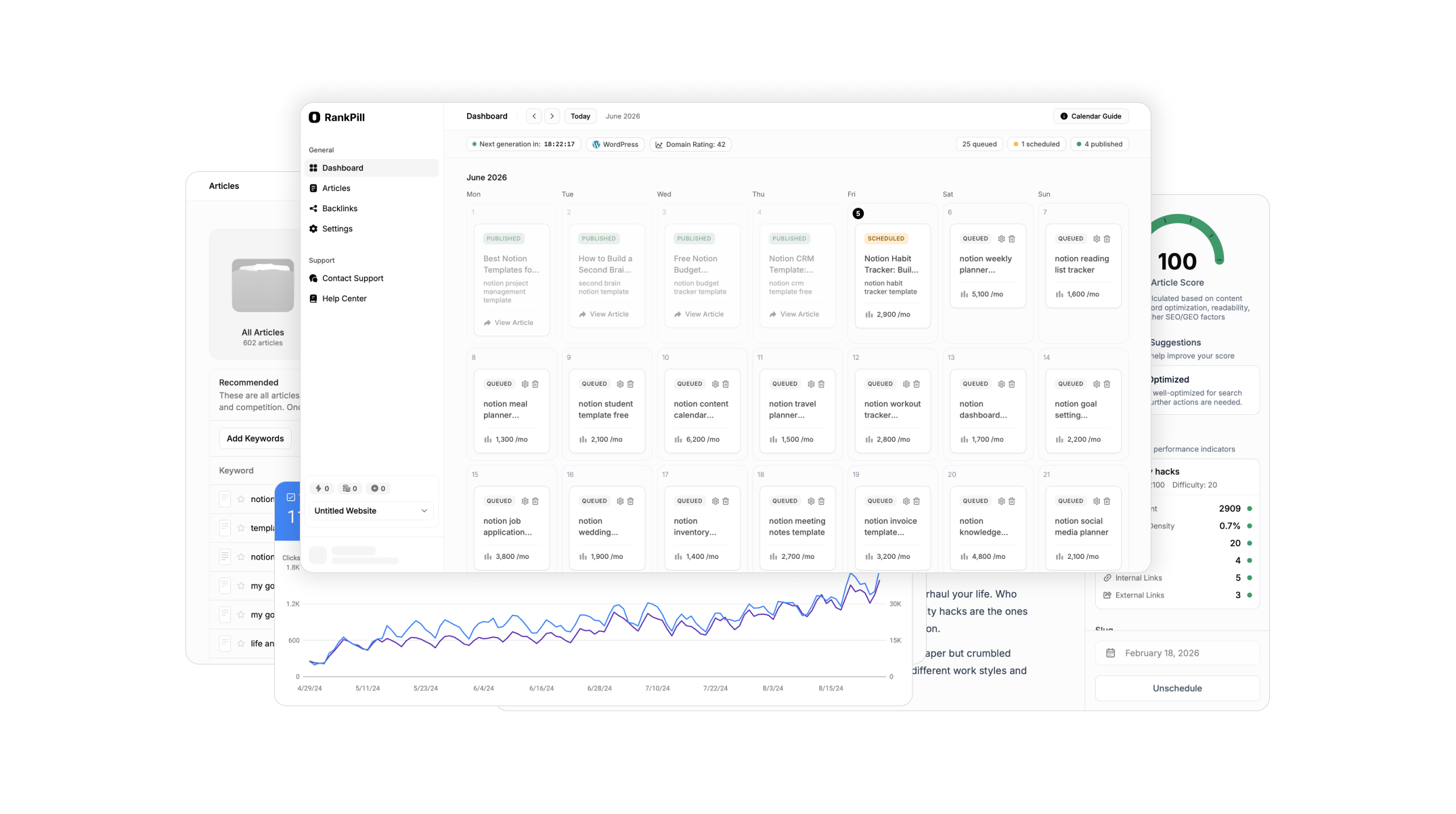
Unlock Traffic on Autopilot
Grow organic traffic on autopilot. RankPill will research, write, optimize, and publish articles to your website daily.