
AI Search Engine GPT: Transform Your SEO Strategy in 2026

Modest Mitkus
March 30, 2026
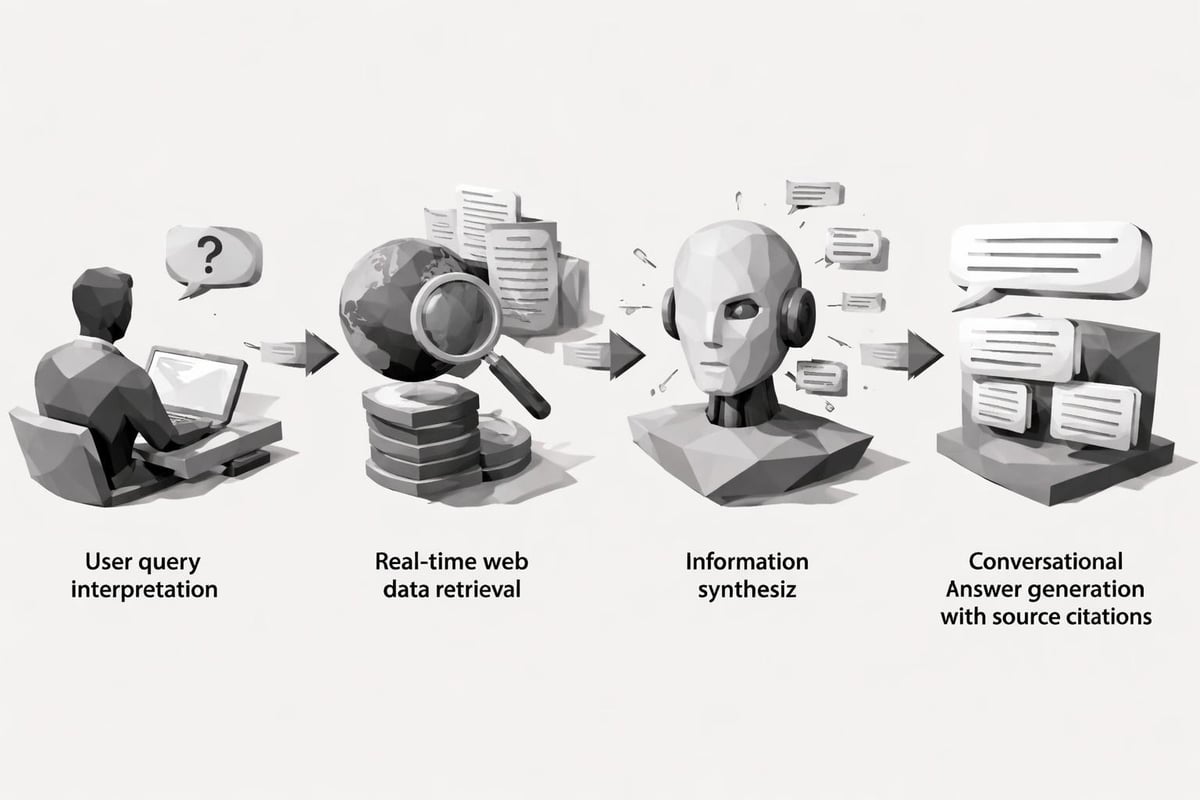
The search landscape is undergoing its most dramatic transformation since the introduction of Google's PageRank algorithm. At the center of this revolution stands the ai search engine gpt, a new category of search technology that combines generative AI capabilities with real-time web indexing. Unlike traditional search engines that return lists of links, these AI-powered systems provide conversational, contextual answers drawn from current information across the internet. For businesses relying on organic traffic, understanding how ai search engine gpt platforms work isn't optional-it's essential for survival in 2026's digital marketplace.
Understanding the AI Search Engine GPT Revolution
The emergence of SearchGPT and similar AI-powered search engines represents a fundamental shift in how users discover information online. These platforms leverage Generative Pre-trained Transformer technology to understand user intent with unprecedented accuracy.
Traditional search engines rely on keyword matching and link analysis. The ai search engine gpt approach interprets the meaning behind queries, considers context, and synthesizes information from multiple sources to generate comprehensive responses. This capability transforms search from a discovery tool into an answer engine.
How GPT Technology Powers Modern Search
Generative Pre-trained Transformers (GPTs) are large language models trained on vast datasets to understand and generate human-like text. When applied to search, these models can:
- Parse complex, conversational queries with multiple intents
- Understand context and nuance in user questions
- Generate coherent summaries from diverse information sources
- Provide follow-up suggestions based on conversation flow
- Adapt responses based on user feedback and interactions
The technical architecture behind ai search engine gpt platforms combines natural language processing with traditional web crawling. This hybrid approach solves the knowledge cutoff problem that plagued earlier AI chatbots by accessing real-time information while maintaining conversational capabilities.
Key Players in the AI Search Market
Several major platforms now compete in the ai search engine gpt space, each with distinct features:
| Platform | Key Features | Primary Advantage |
|---|---|---|
| ChatGPT Search | Real-time web access, conversational interface, source citations | Integration with GPT-4's reasoning capabilities |
| Perplexity AI | Academic-style citations, multiple source synthesis | Focus on accuracy and verifiability |
| Google SGE | Integration with existing search infrastructure | Massive index and established trust |
| Microsoft Copilot | Bing integration, enterprise features | Office suite integration |
Each platform approaches the challenge differently, but all share the goal of providing direct answers rather than link lists. This shift fundamentally changes how content creators must approach SEO and content creation.
Optimizing Content for AI Search Engine GPT Platforms
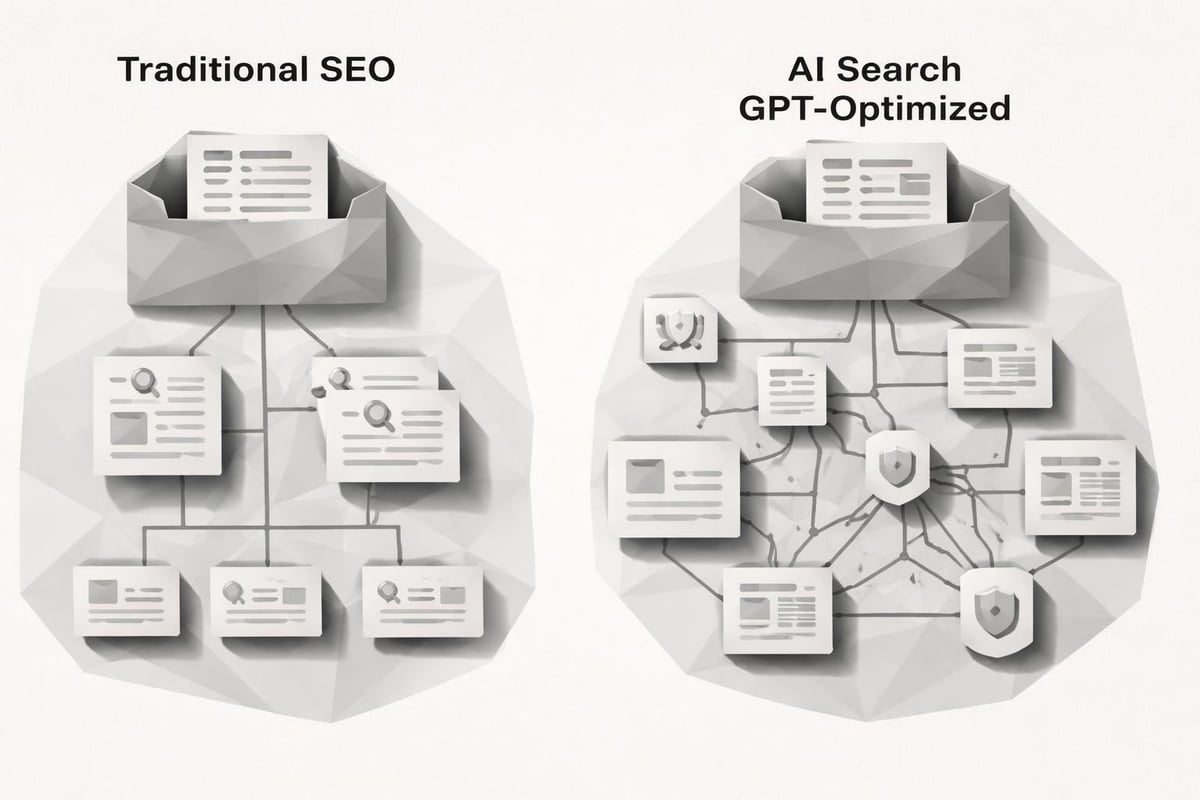
Creating content that performs well in ai search engine gpt environments requires different strategies than traditional SEO. These systems prioritize comprehensiveness, accuracy, and structured information over keyword density alone.
Structured Data and Clear Information Architecture
AI search engines excel at extracting structured information from well-organized content. Your pages should include:
Essential structural elements:
- Clear headings that outline topic hierarchy
- Bullet points and numbered lists for scannable information
- Tables comparing features, specifications, or options
- FAQ sections addressing common questions directly
- Schema markup identifying content types and relationships
The ai search engine gpt technology evaluates how well your content answers specific questions. Pages that directly address user intent with clear, factual responses rank higher in AI-generated summaries.
Creating Comprehensive, Authoritative Content
Depth matters more than ever in 2026. SearchGPT and similar platforms prioritize content that thoroughly covers topics from multiple angles. Surface-level articles rarely appear in AI-generated responses.
Consider these content depth indicators:
- Topic coverage breadth - Address main concepts plus related subtopics
- Evidence and examples - Include specific data, case studies, and real-world applications
- Expert perspectives - Incorporate quotes, research, or insights from authorities
- Updated information - Regularly refresh content with current statistics and developments
- Contextual links - Connect to related concepts and supporting resources
Long-form content typically performs better in ai search engine gpt results. Articles exceeding 2,000 words that maintain quality throughout tend to surface more frequently as source material for AI-generated answers.
Natural Language and Conversational Targeting
Users interact with ai search engine gpt platforms differently than traditional search. Queries are longer, more conversational, and often phrased as complete questions. Your content should mirror this natural language pattern.
Conversational optimization techniques:
- Write in clear, direct language that answers questions explicitly
- Include question-based headings that match user query patterns
- Use second-person voice ("you") to create dialogue-style content
- Address follow-up questions users might naturally ask
- Provide step-by-step guidance for process-oriented topics
This approach aligns with how AI and SEO are converging in 2026. Traditional keyword stuffing not only fails but actively hurts your chances of being cited by AI search engines that prioritize readability and usefulness.
Technical Implementation for AI Search Visibility
Beyond content quality, technical factors determine whether ai search engine gpt platforms can effectively crawl, understand, and cite your website. These technical foundations support your content strategy.
API Integration and Real-Time Data Access
Some ai search engine gpt platforms offer APIs that allow direct content submission or real-time data feeds. SearchGPT's prototype features include mechanisms for publishers to provide structured data feeds.
Technical implementation checklist:
- XML sitemaps - Maintain updated sitemaps that AI crawlers can efficiently parse
- Robots.txt optimization - Ensure AI user agents have appropriate access
- Structured data markup - Implement JSON-LD schema for articles, products, FAQs
- Clean URL structures - Use descriptive, hierarchical URLs that convey content relationships
- Mobile responsiveness - AI systems prioritize mobile-friendly content
- Fast load times - Page speed affects both user experience and crawl efficiency
These technical elements work together to make your content accessible and understandable to AI search systems. Poor technical SEO creates barriers that prevent even excellent content from reaching AI-generated results.
Source Attribution and Citation Optimization
A distinguishing feature of ai search engine gpt platforms is their inclusion of source citations. ChatGPT search provides links to the websites it draws information from, creating new traffic opportunities for cited sources.
To increase citation likelihood:
- Publish original research, data, or insights not available elsewhere
- Use clear attribution when citing other sources
- Create quotable statistics and findings
- Maintain factual accuracy that AI systems can verify
- Update content regularly to remain the current authoritative source
Becoming a frequently cited source in AI-generated responses creates a powerful traffic channel. Unlike traditional search where only top-ranked results receive clicks, cited sources in AI answers can generate consistent referral traffic even without ranking first.
Strategic Advantages of AI Search Engine GPT for Businesses
Understanding ai search engine gpt technology provides competitive advantages beyond simple traffic generation. These platforms create opportunities for businesses that adapt quickly to the changing landscape.
Enhanced Visibility Through Conversational Discovery
Traditional search requires users to navigate through multiple results. The ai search engine gpt model presents your information directly in the answer, creating immediate visibility. When users receive useful information attributed to your brand, trust builds faster than through traditional link-based discovery.
Visibility benefits include:
- Direct answer placement above traditional search results
- Brand mention in conversational contexts
- Association with authoritative, helpful information
- Reduced competition from aggregator sites
- Opportunity for follow-up engagement through chatbot interfaces
For businesses in competitive niches, this shift levels the playing field. Quality content can outperform established competitors who rely solely on traditional SEO ranking factors.
Cost-Effective Traffic Generation
Platforms like RankPill help businesses create the comprehensive, structured content that ai search engine gpt platforms prefer. Rather than spending thousands on agency-created content, automated SEO tools can produce optimized articles at scale-targeting both traditional search engines and AI platforms simultaneously.
The economics are compelling: producing 30 comprehensive articles monthly costs $99 with automated solutions versus $5,000+ through traditional agencies. This efficiency allows businesses to build the content volume necessary to capture ai search engine gpt citations across numerous topics and queries.
Future-Proofing Your Content Strategy
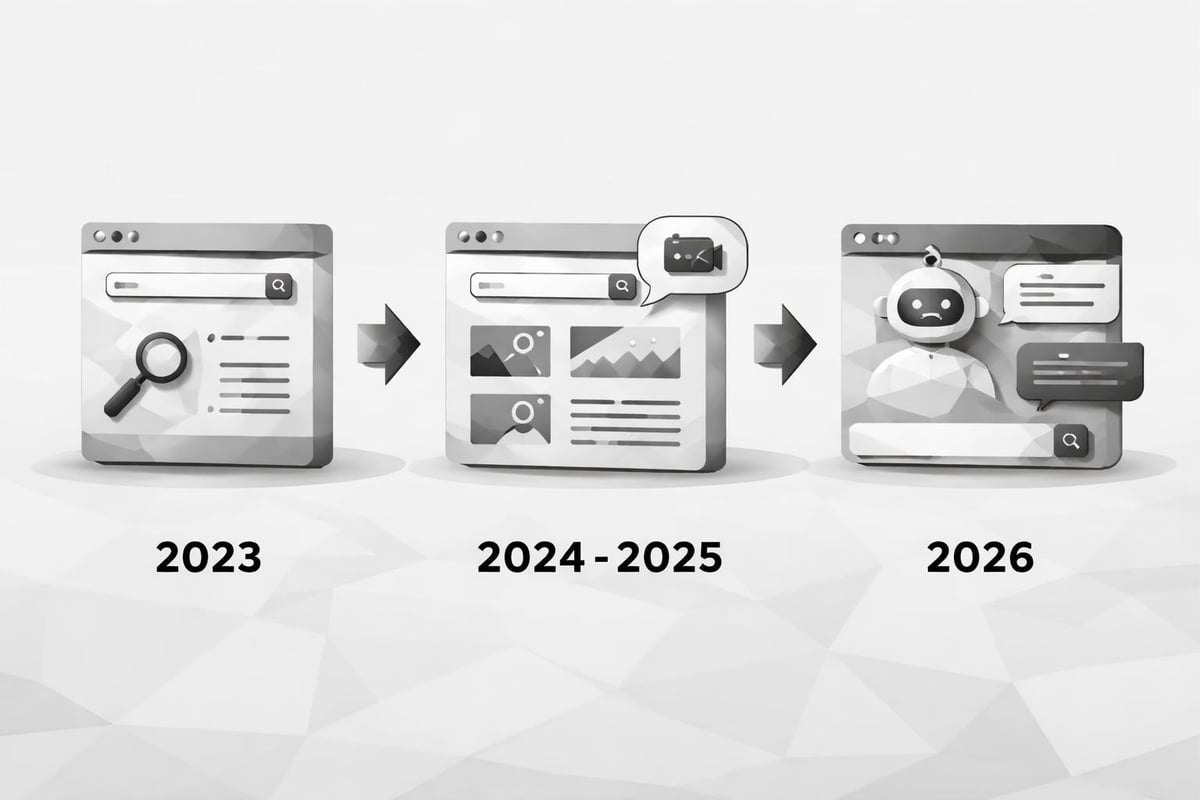
The trajectory is clear-conversational AI will increasingly mediate how users access information online. OpenAI's strategic moves position ChatGPT as a serious search competitor, not just a chatbot. Google's Search Generative Experience demonstrates that even established players are adopting AI-first approaches.
| Strategic Consideration | Traditional SEO | AI Search GPT |
|---|---|---|
| Content depth requirement | 500-1000 words often sufficient | 2000+ words preferred |
| Keyword optimization | Exact match important | Semantic relevance prioritized |
| Link building | Critical ranking factor | Citation quality matters more |
| Update frequency | Periodic refreshes acceptable | Regular updates increase citation likelihood |
| User intent matching | Keyword-based interpretation | Natural language understanding |
Businesses that optimize for AI SEO now will have established authority when these platforms dominate search market share. The content you create today builds the foundation for tomorrow's AI-mediated discovery.
Measuring Success in AI Search Environments
Analytics for ai search engine gpt performance differ from traditional search metrics. New measurement frameworks help assess your visibility and effectiveness across AI platforms.
New Metrics for AI Search Performance
Standard Google Analytics doesn't fully capture AI search impact. Consider tracking:
AI-specific performance indicators:
- Citation frequency across different AI platforms
- Referral traffic from AI search sources
- Brand mention volume in AI-generated responses
- Topic authority scores for your target keywords
- User engagement from AI-referred traffic versus traditional search
Some platforms now offer specialized analytics for AI search visibility. These tools monitor when and how your content appears in AI-generated answers, providing insights similar to traditional rank tracking.
A/B Testing for AI Optimization
Testing different content approaches reveals what works best for ai search engine gpt platforms. Variables to test include:
- Content length - Compare performance of 1500 vs 2500 vs 3500-word articles
- Structural formats - Test FAQ-heavy versus narrative-driven content
- Data presentation - Evaluate tables versus lists versus paragraph formats
- Update frequency - Measure citation rates for frequently updated versus static content
- Multimedia integration - Assess impact of embedded videos, images, and interactive elements
Systematic testing helps identify the content characteristics that maximize your ai search engine gpt visibility. The most effective strategies often combine elements from multiple successful approaches.
Competitive Analysis in AI Search Contexts
Understanding which competitors earn AI citations provides strategic intelligence. Competitor keyword research extends to analyzing which topics and content types your competitors dominate in AI-generated responses.
Competitive analysis should examine:
- Topics where competitors consistently appear in AI answers
- Content formats competitors use successfully
- Update patterns that correlate with maintained citations
- Link profiles of frequently cited competitor content
- Schema markup and technical implementations
This intelligence informs your content strategy, helping you identify gaps where you can establish authority that AI search engines recognize and cite.
Integrating AI Search Strategy With Traditional SEO
The ai search engine gpt revolution doesn't eliminate traditional SEO-it augments it. The most effective strategies address both traditional search algorithms and AI-powered platforms simultaneously.
Unified Content Strategies for Maximum Reach
Content optimized for ai search engine gpt platforms typically performs well in traditional search too. The principles align:
Overlapping optimization factors:
- Comprehensive topic coverage serves both algorithms and AI understanding
- Clear structure helps both human readers and machine parsing
- Authoritative information builds trust across all platforms
- Regular updates signal relevance to traditional and AI systems
- Strong technical foundations support all discovery mechanisms
Rather than creating separate content for different channels, focus on comprehensive, well-structured content that addresses user needs thoroughly. This approach maximizes efficiency while building visibility across all search platforms.
Balancing Keyword Targeting and Natural Language
Traditional SEO requires strategic keyword targeting, while ai search engine gpt optimization prioritizes natural language. The solution lies in semantic keyword integration.
Semantic integration techniques:
- Use primary keywords in headings and opening paragraphs naturally
- Include related terms and synonyms throughout content
- Write conversationally while ensuring key terms appear organically
- Focus on topic clusters rather than individual keywords
- Address user intent comprehensively rather than keyword density targets
This balanced approach satisfies traditional search algorithms while creating the natural, conversational content that AI systems prefer. Neither strategy suffers when implemented thoughtfully.
Link Building in the AI Search Era
Building backlinks remains valuable, but the reasons evolve. While traditional SEO values links for authority signals, ai search engine gpt platforms consider link networks when evaluating source credibility.
Quality link building in 2026 focuses on:
- Earning citations from authoritative sources AI systems trust
- Creating linkable assets that become reference points
- Building relationships with publishers in your niche
- Contributing expert insights to high-authority platforms
- Maintaining link profiles that signal expertise and trustworthiness
Links from sources frequently cited by AI search engines carry additional value. When AI platforms recognize your link sources as authoritative, your own authority increases through association.
Content Creation Workflows for AI Search Success
Producing content that excels in ai search engine gpt environments requires efficient workflows that scale without sacrificing quality. Manual content creation cannot keep pace with the volume needed to build comprehensive topic authority.
Automation and AI-Assisted Content Production
Automated SEO tools streamline the creation of comprehensive content at scale. These platforms handle research, outline generation, drafting, and optimization-allowing human oversight to focus on accuracy and strategic positioning.
Effective automation workflows include:
- Keyword research automation - Identify topic opportunities and question patterns
- Content brief generation - Create detailed outlines covering comprehensive topic angles
- Drafting assistance - Generate initial content that addresses user intent
- Optimization recommendations - Suggest structural improvements and additions
- Publishing coordination - Schedule consistent content releases
The goal isn't eliminating human involvement but amplifying productivity. One strategist using AI SEO platforms can oversee content production that would require an entire team using manual methods.
Quality Control for AI-Generated Content
While Google and AI content coexist successfully when properly executed, quality control remains essential. Content generated for ai search engine gpt optimization must meet high standards for accuracy and usefulness.
Quality assurance checklist:
- Fact-check all statistics, dates, and claims
- Verify that examples and case studies are accurate
- Ensure recommendations align with current best practices
- Confirm technical accuracy of processes described
- Test that content genuinely answers target questions
- Review for natural language flow and readability
Human oversight transforms AI-assisted drafts into authoritative content that both traditional search engines and ai search engine gpt platforms trust and cite. The combination of automation and expert review delivers the best results.
Publishing Consistency and Topic Authority
The ai search engine gpt platforms favor sources that demonstrate ongoing expertise through consistent, high-quality publishing. Sporadic content creation undermines authority building.
| Publishing Frequency | Authority Impact | Citation Likelihood |
|---|---|---|
| Daily (30+ posts/month) | Establishes comprehensive coverage | Very high for covered topics |
| Weekly (4-8 posts/month) | Builds targeted authority | Moderate to high |
| Bi-weekly (2-3 posts/month) | Maintains minimal presence | Low to moderate |
| Monthly (1 post/month) | Insufficient for authority | Very low |
Consistent publishing signals to AI systems that your site is an active, current source of information. Combined with comprehensive topic coverage, regular content creation maximizes your chances of becoming a frequently cited source in ai search engine gpt results.
Ethical Considerations and Best Practices
As ai search engine gpt technology reshapes information access, content creators face new ethical responsibilities. These platforms amplify both accurate information and misinformation-making content quality a matter of public trust.
Accuracy and Fact-Checking Imperatives
AI search engines cite your content as authoritative sources. Inaccuracies in your published material can spread rapidly through AI-generated answers, potentially misleading thousands of users.
Accuracy best practices:
- Cite primary sources for all factual claims
- Update statistical information regularly
- Correct errors immediately and transparently
- Distinguish opinion from established fact
- Provide context for nuanced or debated topics
The responsibility extends beyond avoiding deliberate misinformation. Outdated information presented as current or oversimplified explanations of complex topics can cause real harm when amplified through ai search engine gpt platforms.
Transparency in AI-Assisted Content Creation
Users and search platforms deserve transparency about content creation methods. While AI-generated content is acceptable, pretending human-written content came entirely from manual creation raises ethical questions.
Transparency approaches include:
- Disclose AI assistance where relevant and appropriate
- Focus transparency on accuracy and usefulness rather than creation method
- Maintain human oversight and accountability for all published content
- Ensure AI-assisted content meets the same quality standards as manual creation
- Prioritize user value over production efficiency
The content creation method matters less than the result's accuracy, comprehensiveness, and usefulness. Whether created manually or through AI assistance, content should serve user needs genuinely.
Respecting User Intent and Avoiding Manipulation
The ai search engine gpt model creates new manipulation opportunities. Content optimized purely for AI citations without genuine user value undermines the entire ecosystem.
Avoid these manipulative practices:
- Creating content solely to trigger AI citations without providing real value
- Overstating expertise or authority in areas outside your knowledge
- Using sensationalized claims to increase citation likelihood
- Exploiting AI limitations to spread biased or incomplete information
- Gaming systems through technical tricks rather than quality content
Long-term success in AI search requires genuine expertise and commitment to user value. Manipulative tactics may generate short-term visibility but ultimately damage reputation and credibility.
The rise of ai search engine gpt technology fundamentally transforms how businesses approach content creation and SEO strategy. Success requires comprehensive, accurate content that serves user needs while meeting the technical and structural requirements of AI-powered search platforms. RankPill helps businesses navigate this transformation by automating the creation of optimized, comprehensive content that performs across both traditional search engines and emerging AI platforms, making it possible to build the topic authority and publishing consistency that drives sustainable organic traffic growth in 2026 and beyond.