
Best SEO Shopify: Strategies to Rank Your Store in 2026

Modest Mitkus
March 28, 2026
Shopify has become one of the most popular e-commerce platforms for online retailers, but standing out in search results requires strategic SEO implementation. Finding the best SEO Shopify approach means understanding how to optimize your store's technical foundation, create compelling content, and leverage automation tools that scale your organic traffic efforts. With over 4.4 million live Shopify stores competing for visibility, implementing effective SEO strategies has never been more critical for driving sustainable growth and revenue.
Understanding Shopify SEO Fundamentals
The best SEO Shopify practices begin with mastering the platform's unique architecture and optimization capabilities. Unlike traditional websites, Shopify stores face specific challenges including duplicate content issues, limited control over URL structures, and theme-dependent code quality.
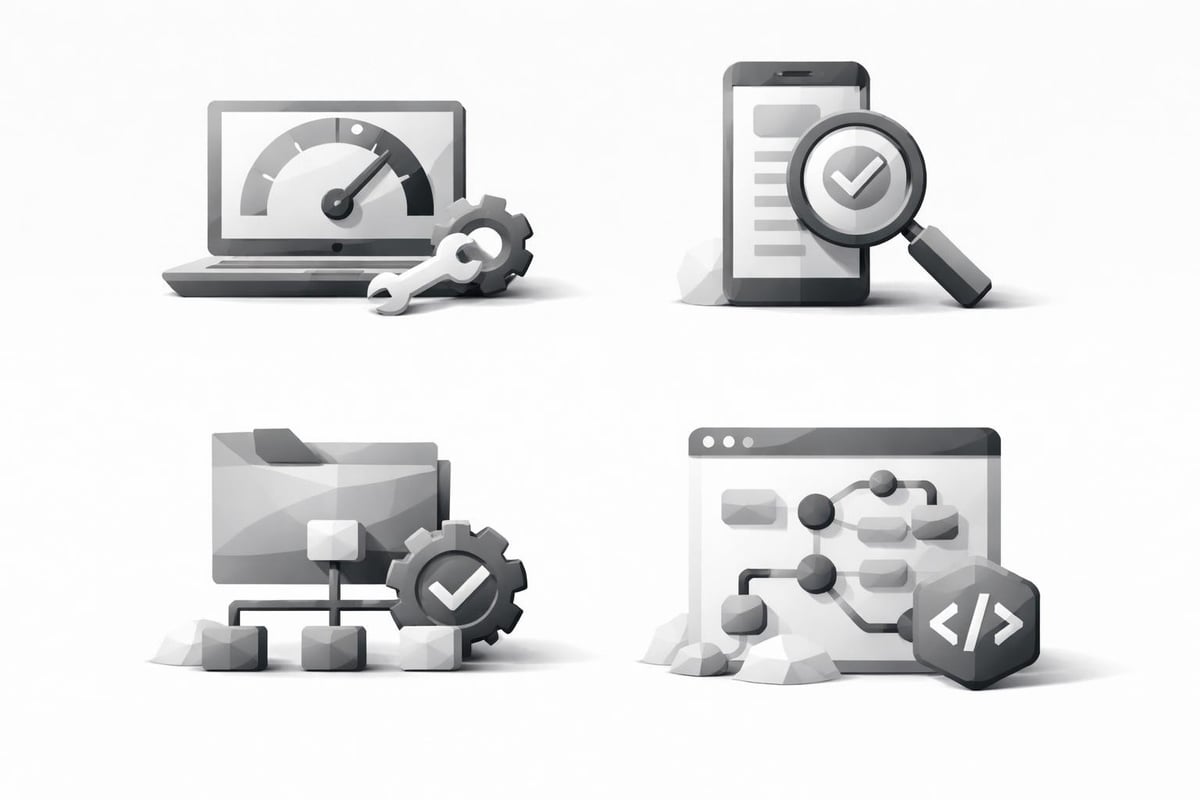
Technical SEO forms the foundation of any successful Shopify store. This includes optimizing your site's speed, ensuring mobile responsiveness, creating XML sitemaps, and implementing structured data markup. Shopify automatically generates sitemaps, but you need to submit them to Google Search Console for proper indexing.
Site Structure and Navigation
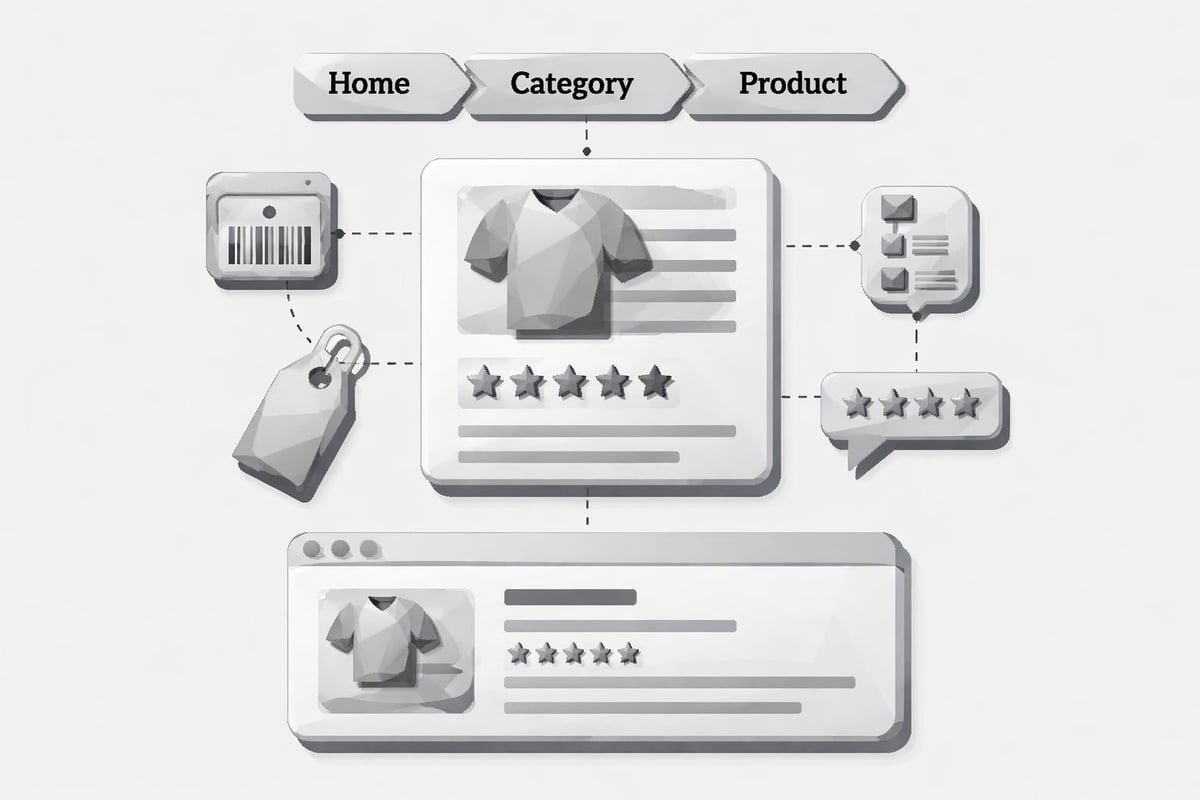
A well-organized site structure helps both users and search engines understand your store's hierarchy. Consider these essential elements:
- Clear category organization with logical breadcrumb trails
- Simple URL structures that reflect product hierarchies
- Internal linking between related products and collections
- Minimal click depth from homepage to product pages
Your navigation should make it easy for visitors to find products while distributing link equity throughout your store. According to Shopify's official SEO strategies, proper site architecture significantly impacts crawlability and user experience.
Mobile Optimization Requirements
With mobile commerce accounting for the majority of online shopping in 2026, mobile optimization isn't optional. Test your theme's mobile performance using Google's Mobile-Friendly Test and Core Web Vitals assessments. Fast loading times, touch-friendly buttons, and responsive images directly impact your search rankings.
Keyword Research for E-commerce Success
The best SEO Shopify strategy relies on thorough keyword research tailored to e-commerce intent. Unlike informational content, product pages need to target commercial and transactional keywords that indicate buying intent.
Start by identifying your seed keywords, then expand using tools that reveal search volume, competition levels, and related terms. Focus on three keyword types:
- Product-specific keywords: Brand names, model numbers, specific item descriptions
- Category keywords: Broader terms that describe product collections
- Long-tail variations: Detailed phrases that capture specific customer needs
| Keyword Type | Example | Search Intent | Conversion Potential |
|---|---|---|---|
| Product-specific | "Nike Air Max 2026" | Transactional | Very High |
| Category | "running shoes women" | Commercial | High |
| Long-tail | "best waterproof running shoes for flat feet" | Research/Commercial | Medium-High |
Understanding competitor keyword strategies helps you identify gaps in your current optimization and discover untapped opportunities. Analyze what keywords your top competitors rank for and assess whether you can realistically compete for those terms.
Product Page Keyword Optimization
Each product page should target a primary keyword while naturally incorporating related terms. Place your main keyword in:
- Product title (H1 tag)
- Meta title and description
- Product description first paragraph
- Image alt text
- URL slug
Avoid keyword stuffing, which creates poor user experiences and can trigger search engine penalties. As discussed in depth on keyword stuffing practices, natural language always outperforms over-optimized content.
Content Creation Strategies
Creating valuable content separates average Shopify stores from top performers in search results. The best SEO Shopify approach includes a robust content strategy that addresses customer questions, provides educational resources, and establishes your brand authority.
Blog Content Development
A regularly updated blog drives organic traffic through informational queries that lead to eventual conversions. Consider these content types:
- Product comparison guides
- How-to tutorials using your products
- Industry news and trend analysis
- Customer success stories
- Seasonal buying guides
Publishing consistent, high-quality content signals to search engines that your site is active and valuable. However, manual content creation can be time-consuming and expensive. RankPill offers an automated solution that researches, writes, and publishes optimized blog posts 24/7, targeting both Google and AI search platforms like ChatGPT. For Shopify stores needing to scale content production affordably, RankPill generates 2,000+ word articles with unique images, proper linking, and SEO optimization at just $3 per article.
Product Description Optimization
Generic manufacturer descriptions don't rank well. Create unique, detailed product descriptions that answer customer questions and incorporate target keywords naturally. Include:
- Specific product features and specifications
- Use cases and benefits
- Size guides and compatibility information
- Care instructions where applicable
Technical Optimization Checklist
The best SEO Shopify implementation requires attention to technical details that impact crawling, indexing, and ranking. Use this comprehensive checklist to audit your store:
Page Speed Improvements
Speed directly correlates with rankings and conversions. Shopify stores can optimize loading times through several methods:
- Compress images using WebP format
- Minimize app installations (each app adds code)
- Use lazy loading for below-fold images
- Enable browser caching
- Choose lightweight, optimized themes
Shopify's SEO tips emphasize that even half-second improvements in load time can significantly impact bounce rates and conversion rates.
Schema Markup Implementation
Structured data helps search engines understand your content and can trigger rich results in search listings. Essential schema types for Shopify include:
- Product schema (price, availability, reviews)
- Organization schema (business information)
- Breadcrumb schema (navigation paths)
- Review schema (customer ratings)
Most Shopify themes include basic schema, but custom implementation often yields better results. Verify your markup using Google's Rich Results Test tool.
Link Building for E-commerce Stores
Quality backlinks remain a crucial ranking factor. The best SEO Shopify stores develop systematic link-building strategies that generate authoritative references.
Effective Link Acquisition Methods
Unlike informational sites, e-commerce stores need link-building approaches tailored to commercial contexts:
- Product reviews and unboxing content: Send products to bloggers and YouTube creators
- Supplier and manufacturer partnerships: Request links from brands you carry
- Local business directories: List your store in relevant local and industry directories
- Guest posting: Contribute expertise to industry publications
- PR and newsworthy content: Create data studies or trend reports that attract media coverage
Building high-quality backlinks requires ongoing effort, but the ranking benefits compound over time. Learn more about sustainable backlink building strategies that focus on quality over quantity.
Internal Linking Architecture
Don't overlook internal links, which help distribute authority throughout your site. Create a linking strategy that:
- Connects related products and collections
- Links from blog posts to relevant product pages
- Uses descriptive anchor text that includes target keywords
- Maintains a reasonable number of links per page (avoid over-linking)
Image and Video SEO
Visual content drives e-commerce conversions but also presents SEO opportunities often overlooked by store owners pursuing the best SEO Shopify practices.
Image Optimization Best Practices
Every product image should be optimized for both user experience and search visibility:
| Optimization Element | Best Practice | Impact |
|---|---|---|
| File names | descriptive-keyword-rich-name.jpg | Crawlability |
| Alt text | Detailed descriptions with keywords | Accessibility & Rankings |
| File size | Under 100KB when possible | Page speed |
| Format | WebP for modern browsers | Load time & quality |
| Dimensions | Appropriate for display size | Performance |
Include your product name and relevant descriptors in alt text, but write for humans first. "Blue cotton women's running shirt, moisture-wicking" works better than "shirt blue cotton."
Video Content Integration
Product videos increase engagement and time-on-site metrics. Host videos on YouTube for additional search visibility, then embed them on product pages. Optimize video titles, descriptions, and tags with relevant keywords to capture video search traffic.
Leveraging Automation for Scalable SEO
Manual SEO becomes unsustainable as your store grows. The best SEO Shopify stores leverage automation to maintain consistent optimization while focusing human effort on strategy and high-value activities.
Automated content creation allows you to publish regularly without the massive time investment traditional writing requires. Tools that understand AI and SEO integration can generate product descriptions, blog posts, and category pages that rank well while maintaining natural language.
SEO Automation Areas
Consider automating these SEO tasks:
- Keyword research and tracking
- Content creation and publishing schedules
- Technical SEO audits and monitoring
- Rank tracking and reporting
- Competitor analysis
- Internal linking suggestions
Implementing automated SEO tools frees up resources for strategic planning, customer service, and business development while maintaining SEO momentum.
Collection Page Optimization
Collection pages represent significant SEO opportunities that many Shopify stores underutilize. These category pages can rank for competitive commercial keywords and drive substantial traffic.
Creating SEO-Friendly Collections
Transform basic collection pages into ranking powerhouses by adding:
- Unique, keyword-optimized descriptions (200+ words minimum)
- Clear value propositions explaining why customers should shop this collection
- Filtering options that create user-friendly navigation
- Related collection links to keep visitors engaged
- Customer testimonials or featured reviews
The collection description should appear above product listings when possible, giving search engines content to index beyond product titles.
Monitoring and Measuring SEO Performance
Implementing the best SEO Shopify strategies requires ongoing measurement to understand what works and where opportunities exist. Establish key performance indicators (KPIs) that align with business goals.
Essential SEO Metrics
Track these metrics monthly to gauge SEO effectiveness:
- Organic traffic volume: Total visitors from search engines
- Keyword rankings: Position changes for target terms
- Conversion rate from organic: Revenue per organic visitor
- Pages per session: Engagement depth from organic traffic
- Bounce rate: Percentage leaving after one page
Use Google Analytics 4 and Google Search Console as your primary tracking tools. Set up custom dashboards that visualize trends and highlight areas needing attention. Understanding how to check your website rank for keywords helps you measure progress against competitors.

Competitive Analysis Frameworks
Regular competitor analysis reveals market shifts and new opportunities. Identify 3-5 direct competitors and monitor their:
- New content publication frequency
- Keyword ranking changes
- Backlink acquisition
- Site structure modifications
- Product offering expansions
Tools that facilitate keyword competitor research help you stay ahead of market trends and adapt your strategy accordingly.
Advanced Shopify SEO Techniques
Beyond foundational optimization, advanced techniques separate good stores from exceptional performers in search results.
URL Structure Customization
Shopify's default URL structure includes "/products/" and "/collections/" prefixes. While you can't remove these entirely without apps, you can optimize the remaining URL components:
- Keep URLs short and descriptive
- Include primary keywords
- Remove stop words (a, the, and, etc.)
- Use hyphens to separate words
- Avoid numbers and dates unless relevant
For example, "yourstore.com/products/organic-cotton-yoga-mat-6mm" works better than "yourstore.com/products/product-12345."
Canonical Tag Management
Duplicate content issues plague many Shopify stores when products appear in multiple collections. Canonical tags tell search engines which version to index as the primary page. Shopify handles most canonicalization automatically, but verify that:
- Product pages canonicalize to themselves, not collection pages
- Filtered collection pages point to the main collection URL
- Pagination doesn't create duplicate content issues
Following Shopify SEO best practices outlined by experts ensures you avoid common technical pitfalls that limit rankings.
International SEO Considerations
Stores selling internationally need additional optimization for different markets and languages. Implement hreflang tags to specify language and regional targeting. Create market-specific content that addresses local search intent, currency, and cultural preferences.
User Experience and SEO Alignment
Search engines increasingly prioritize user experience signals in ranking algorithms. The best SEO Shopify strategies recognize that UX and SEO are inseparable.
Core Web Vitals measure loading performance, interactivity, and visual stability. These metrics directly impact rankings and should be monitored consistently:
- Largest Contentful Paint (LCP): Should occur within 2.5 seconds
- First Input Delay (FID): Should be less than 100 milliseconds
- Cumulative Layout Shift (CLS): Should be less than 0.1
Improving these metrics requires technical optimization, but the ranking benefits justify the effort. Poor Core Web Vitals can prevent otherwise well-optimized pages from ranking competitively.
Navigation and Site Architecture
Intuitive navigation keeps visitors engaged longer and reduces bounce rates. Design your menu structure with both users and search engines in mind:
- Limit main navigation to 5-7 categories
- Use mega menus to display subcategories without additional clicks
- Include a search function prominently
- Add breadcrumbs to all product and collection pages
- Create a comprehensive footer with important links
Research from SEO.com on Shopify optimization demonstrates that improved site architecture directly correlates with better rankings and higher conversion rates.
Seasonal and Promotional SEO
E-commerce SEO requires adapting to seasonal trends and promotional periods throughout the year.
Holiday Preparation Strategies
Start optimizing for major shopping periods 2-3 months in advance:
- Create holiday-specific collection pages
- Publish gift guides and seasonal blog content
- Optimize for holiday-related keywords ("Christmas gifts for runners")
- Build landing pages for specific promotions
- Update meta descriptions to include timely offers
These pages can be archived after the season but reactivated annually, building authority over time.
Flash Sale and Limited-Time Offer Optimization
Time-sensitive promotions require careful SEO handling to avoid creating thin content or duplicate pages. Consider these approaches:
- Use existing product and collection pages, updating content temporarily
- Add schema markup indicating sale prices and availability
- Update meta descriptions to reflect current promotions
- Avoid creating separate sale pages that compete with main product pages
The Future of Shopify SEO
Understanding emerging trends helps you build sustainable strategies that remain effective as search evolves. The best SEO Shopify practitioners stay ahead of algorithm updates and technological changes.
AI Search and Optimization
Platforms like ChatGPT now answer user queries directly, sometimes bypassing traditional search results. Optimizing for AI search engines requires focusing on comprehensive answers and authoritative content. Learn strategies for getting recommended by ChatGPT to capture this growing search channel.
Voice search continues expanding, requiring optimization for conversational queries and question-based keywords. Structure content to answer specific questions concisely while providing depth for users seeking more information.
Visual Search Integration
Google Lens and Pinterest visual search allow users to find products through images rather than text. Optimize for visual search by:
- Using high-quality, clear product images
- Including detailed alt text
- Submitting product feeds to Google Merchant Center
- Optimizing for Pinterest if your products are visually oriented
These channels represent growing traffic sources that forward-thinking stores are already capturing.
Implementing the best SEO Shopify strategies requires consistent effort across technical optimization, content creation, and user experience improvement. By focusing on foundational elements while embracing automation and emerging trends, your store can achieve sustainable organic growth. RankPill streamlines the content creation process, automatically generating SEO-optimized blog posts that drive traffic while you focus on serving customers and growing your business.