
Black Hat and White Hat SEO: A Complete Guide

Modest Mitkus · April 24, 2026
The world of search engine optimization divides into two distinct philosophies: ethical strategies that align with search engine guidelines and manipulative tactics that exploit algorithmic loopholes. Understanding black hat and white hat SEO isn't just about following rules. It's about choosing between sustainable business growth and short-term gains that can destroy your online presence. In 2026, as search engines become increasingly sophisticated with AI-powered detection systems, the stakes have never been higher for businesses navigating these divergent approaches to ranking websites.
What Defines Black Hat and White Hat SEO
The terminology originates from classic Western films where heroes wore white hats and villains wore black. In the context of search optimization, white hat SEO encompasses ethical practices that comply with search engine terms of service, while black hat techniques deliberately violate guidelines to manipulate rankings.
White hat SEO focuses on:
- Creating valuable, original content for human readers
- Building natural, earned backlinks through quality
- Optimizing technical elements following documented best practices
- Improving user experience and site performance
- Implementing structured data correctly
Black hat SEO includes:
- Keyword stuffing and hidden text
- Cloaking content for search engines versus users
- Private blog networks (PBNs) for artificial link manipulation
- Content scraping and automated spinning
- Link schemes and paid link exchanges
The fundamental difference centers on intent. White hat practitioners view search engines as partners in connecting users with valuable content. Black hat operators see them as obstacles to outsmart.
The Evolution of Search Engine Guidelines
Google's algorithm has undergone dramatic transformations since its inception. Early search results could be easily manipulated through simple tactics like repeating keywords hundreds of times or building thousands of low-quality links. Those days ended definitively.
Major Algorithm Updates That Changed Everything
The Panda update in 2011 targeted low-quality content farms and thin pages. Penguin in 2012 specifically penalized manipulative link schemes. Hummingbird in 2013 introduced semantic search understanding. RankBrain brought machine learning into ranking factors. The Helpful Content Update prioritized content created for people, not search engines.
By 2026, search engines employ sophisticated AI systems that can detect patterns of manipulation with unprecedented accuracy. The effectiveness of black hat versus white hat SEO has shifted dramatically in favor of ethical approaches as detection capabilities improve.
| Algorithm Update | Year | Primary Target | Impact |
|---|---|---|---|
| Panda | 2011 | Low-quality content | Devalued thin, duplicate content |
| Penguin | 2012 | Link manipulation | Penalized artificial link schemes |
| Hummingbird | 2013 | Search intent | Prioritized semantic understanding |
| RankBrain | 2015 | Query interpretation | Introduced machine learning |
| Helpful Content | 2022 | User-first content | Rewarded genuine value |
Search engines now evaluate hundreds of ranking signals simultaneously. They analyze user behavior metrics, content depth, expertise signals, and link quality in ways that make traditional manipulation tactics ineffective or counterproductive.
Common Black Hat Tactics and Their Consequences
Understanding specific black hat techniques helps businesses recognize and avoid them. These methods may promise quick results but carry severe risks.
Keyword Stuffing and Hidden Content
Keyword stuffing involves unnaturally repeating target phrases throughout content to manipulate rankings. Modern variations include hiding text by matching font color to background, positioning text off-screen, or using CSS to make content invisible to visitors but readable by search engines.
Search engines detect these patterns through content analysis algorithms that measure keyword density, contextual relevance, and user engagement signals. The consequences range from ranking drops to complete de-indexing.
Private Blog Networks and Link Schemes
PBNs consist of multiple websites created solely to link to target sites artificially. These networks attempt to simulate natural backlink profiles but typically share footprints like similar hosting, registration patterns, or interlinking structures.
Link schemes also include:
- Buying or selling links for ranking manipulation
- Excessive link exchanges ("I'll link to you if you link to me")
- Article directories and low-quality guest posting networks
- Automated programs that generate backlinks
Google's link spam detection has become remarkably sophisticated. The realities of black hat SEO include manual penalties, algorithmic devaluations, and permanent damage to domain authority.
Cloaking and Doorway Pages
Cloaking shows different content to search engines than to human visitors. A page might display keyword-rich text to crawlers but redirect users to completely different content. Doorway pages are low-quality pages created specifically to rank for particular queries and funnel traffic elsewhere.
Both tactics violate fundamental search engine guidelines by deceiving either users or crawlers. Detection methods include analyzing JavaScript execution, comparing cached versions, and monitoring user behavior patterns that indicate content mismatches.
White Hat SEO Strategies That Build Long-Term Success
Ethical optimization creates sustainable competitive advantages. White hat practices align business objectives with user needs and search engine guidelines simultaneously.
Quality Content Creation
Content remains the foundation of white hat SEO. This means producing comprehensive, well-researched material that genuinely answers user questions and solves problems. In 2026, search engines evaluate content quality through multiple dimensions.
Key quality signals include:
- Depth and comprehensiveness - Thoroughly covering topics rather than surface-level treatment
- Originality and uniqueness - Presenting fresh perspectives, original research, or unique insights
- Expertise demonstration - Showing credentials, experience, and authoritative knowledge
- User engagement metrics - Time on page, bounce rate, return visits, and social sharing
- Regular updates - Keeping content current and relevant as topics evolve
Creating quality content at scale presents challenges. Many businesses struggle with the resources required for consistent production. Modern AI SEO platforms help streamline this process while maintaining quality standards through automated research, writing assistance, and optimization recommendations.
Ethical Link Building
Natural link acquisition focuses on creating content and resources that others want to reference. White hat link building strategies prioritize earning links through value rather than manipulating placement through artificial schemes.
Effective approaches include:
- Digital PR and media outreach - Sharing newsworthy stories, research, or data that journalists want to cover
- Resource creation - Building tools, calculators, templates, or comprehensive guides that become industry references
- Strategic partnerships - Collaborating with complementary businesses on content or initiatives
- Guest contributions - Providing genuine expertise to respected publications in your industry
- Community participation - Contributing meaningfully to forums, discussions, and industry communities
The difference between white hat guest posting and black hat article syndication lies in quality and intent. Ethical guest posting prioritizes valuable contributions to relevant audiences. Manipulative tactics focus solely on link placement regardless of content value or audience fit.
Technical Optimization
White hat technical SEO ensures search engines can efficiently crawl, understand, and index content while providing excellent user experiences.
| Technical Element | White Hat Approach | Black Hat Alternative |
|---|---|---|
| Site Speed | Optimize images, leverage caching, minimize code | Cloaking fast pages for bots only |
| Mobile Optimization | Responsive design, mobile-first indexing | Separate mobile doorways |
| Structured Data | Accurate schema markup matching content | False markup for rich snippets |
| XML Sitemaps | Clean, accurate site structure maps | Hiding pages from crawlers |
| Robots.txt | Proper crawl guidance | Blocking important content |
Technical excellence creates competitive advantages without risks. Page speed improvements benefit both rankings and user satisfaction. Proper structured data enhances search visibility through rich results. Mobile optimization serves the majority of searchers who access content via smartphones.
The Gray Area: Tactics That Blur the Lines
Some strategies exist in ambiguous territory between black hat and white hat SEO. These techniques don't clearly violate guidelines but push boundaries or exploit loopholes.
Aggressive Guest Posting
Publishing guest content on relevant sites represents legitimate white hat practice when focused on value delivery. The gray area emerges when volume and link acquisition become the primary motivation rather than audience education.
Warning signs include:
- Accepting any publication opportunity regardless of relevance or quality
- Using identical author bios with keyword-rich anchor text across dozens of sites
- Prioritizing link placement over content quality or reader value
- Targeting low-authority sites willing to publish anything
Search engines evaluate link context, relevance, and patterns. A few high-quality guest contributions to respected industry publications build authority. Hundreds of low-value placements across unrelated sites trigger manipulation flags.
Paid Links and Sponsored Content
Google's guidelines explicitly prohibit buying or selling links that pass PageRank. However, legitimate sponsored content, advertising, and influencer partnerships exist throughout the web. The distinction hinges on disclosure and link attributes.
White hat approach:
- Clearly labeling sponsored content
- Using rel="sponsored" or rel="nofollow" attributes on paid links
- Focusing on brand awareness rather than SEO manipulation
- Ensuring content quality matches editorial standards
Gray or black hat approach:
- Disguising paid links as editorial endorsements
- Using dofollow links from sponsored posts without disclosure
- Participating in link networks or exchanges
- Buying bulk link packages from SEO services
Transparency separates ethical partnerships from deceptive manipulation. Businesses can engage in paid promotion while maintaining white hat standards through proper attribution and link handling.
Why White Hat SEO Delivers Better ROI
Beyond avoiding penalties, ethical optimization produces superior long-term results across multiple business metrics.
Sustainable Rankings and Traffic
Black hat tactics might generate temporary ranking improvements, but the fundamental differences between approaches become apparent over time. Algorithmic updates regularly eliminate artificial advantages while rarely penalizing genuine quality improvements.
White hat strategies compound benefits. Quality content continues attracting links and traffic years after publication. Technical improvements permanently enhance user experience. Brand authority builds progressively through consistent value delivery.
Brand Protection and Trust
Your website represents your business reputation online. Search engine penalties damage more than rankings. They signal quality problems to potential customers, partners, and stakeholders.
Companies discovered using manipulative tactics face:
- Direct traffic losses from poor search visibility
- Reduced conversion rates from negative brand perceptions
- Difficulty recovering rankings even after cleanup
- Wasted resources on recovery rather than growth
White hat SEO aligns with broader marketing objectives. Creating valuable content supports brand positioning. Building genuine relationships develops business opportunities beyond link acquisition. Improving user experience increases conversion rates alongside search visibility.
Measurable Business Outcomes
Ethical optimization focuses on metrics that matter to business performance, not just search rankings. This includes qualified traffic that converts, engaged audiences that return, and content that supports the entire customer journey.
White hat SEO tracking emphasizes:
- Organic traffic quality and user intent alignment
- Conversion rates from search visitors
- Customer acquisition costs versus lifetime value
- Brand search volume and recognition
- Content engagement and sharing metrics
These measurements connect SEO efforts directly to revenue and growth. Black hat approaches optimize for rankings disconnected from business value, creating misleading vanity metrics that don't translate to sustainable success.
Implementing White Hat Strategies at Scale
Small businesses and enterprises alike struggle with consistent content production and optimization. The resource requirements for comprehensive white hat SEO can seem overwhelming.
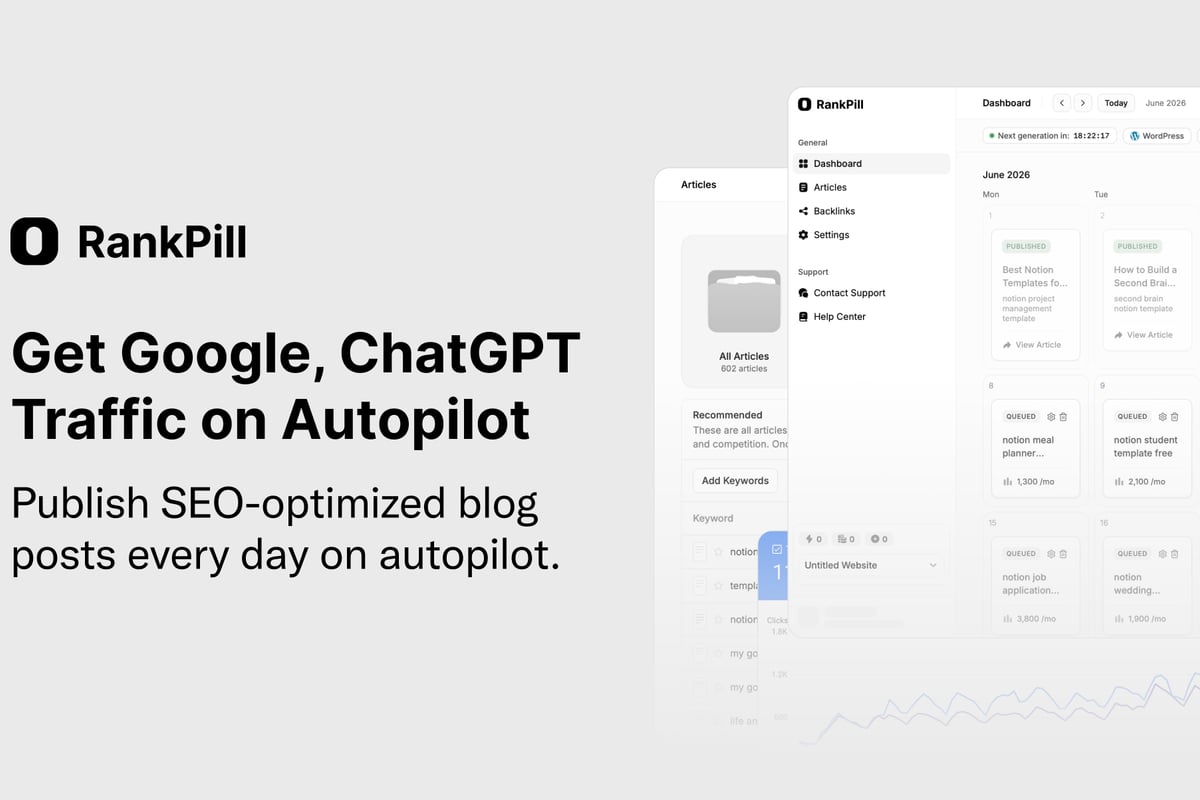
Modern technology addresses these challenges through automation and intelligent assistance. For businesses seeking to scale their content operations while maintaining quality standards, platforms like RankPill automate research, writing, and publishing processes. These systems handle keyword analysis, competitor research, and content optimization while generating articles that align with search engine guidelines and user intent.
Automation doesn't mean sacrificing quality or resorting to black hat tactics. Advanced AI systems can produce comprehensive, well-researched content that genuinely serves reader needs while incorporating proper optimization elements. The difference lies in sophisticated natural language generation versus crude keyword stuffing or content spinning.
Building Systematic Processes
Successful white hat SEO requires organizational commitment beyond individual tactics. This includes:
- Editorial calendars that plan content around user questions and seasonal topics
- Quality standards that define what constitutes valuable, publishable material
- Review processes that verify accuracy, relevance, and optimization
- Performance tracking that measures real business impact rather than vanity metrics
- Continuous improvement based on data analysis and user feedback
These systems ensure consistency and accountability. They prevent shortcuts that compromise long-term objectives for temporary gains. They also scale more effectively than ad-hoc approaches dependent on individual expertise or effort.
Recognizing and Avoiding Black Hat Services
The SEO services industry includes providers who promise unrealistic results through undisclosed methods. Businesses must recognize warning signs to avoid partnerships that could damage their online presence.
Red Flags in SEO Proposals
Certain claims and approaches immediately signal potential black hat tactics:
- Guaranteed rankings or specific position promises
- Extremely low pricing that seems too good to be true
- Refusal to explain specific methods or tactics
- Emphasis on quantity over quality in link building
- Requests to access your website's core files or admin panels
- Vague descriptions using buzzwords without substantive explanations
Legitimate SEO professionals discuss strategies transparently, set realistic expectations based on competition and resources, and focus on business outcomes rather than ranking guarantees. They understand that search engine optimization involves multiple variables beyond any single provider's control.
Due Diligence Questions
Before engaging SEO services, businesses should ask:
- What specific tactics will you use to improve our rankings?
- How do these methods align with Google's Webmaster Guidelines?
- Can you provide case studies with verifiable results?
- What risks or potential downsides exist with your approach?
- How will you measure and report on performance?
Evasive answers or pressure to sign contracts without detailed methodology discussions indicate potential problems. Ethical providers welcome questions and provide detailed explanations of their strategies.
The Future of Black Hat and White Hat SEO
Search technology continues evolving rapidly. Artificial intelligence, machine learning, and natural language processing make search engines increasingly sophisticated at understanding content quality and detecting manipulation.
AI-Powered Detection
Modern search algorithms analyze patterns at scales impossible for human reviewers. They identify subtle correlations between manipulative tactics, user behavior signals, and content characteristics. These systems improve continuously through machine learning feedback loops.
Future developments will likely include:
- Real-time manipulation detection that prevents artificial ranking gains
- More sophisticated content quality evaluation beyond keyword matching
- Enhanced understanding of user satisfaction through behavioral analysis
- Integration with broader web signals including social media and external databases
- Automated penalty application and recovery processes
These capabilities make black hat SEO increasingly futile. The temporary ranking gains diminish while detection accuracy improves and consequences become more severe.
The Rise of Search Generative Experience
Search engines are incorporating generative AI directly into results pages. ChatGPT, Bard, and similar technologies answer questions without requiring clicks to traditional web results. This transformation emphasizes expertise, authority, and trustworthiness over traditional ranking factors.
Businesses need to consider getting recommended by ChatGPT and other AI systems through genuine authority building rather than manipulation tactics. Generative engine optimization focuses on creating content that AI systems recognize as authoritative and cite as reliable sources.
Adapting White Hat Strategies
The core principles of white hat SEO remain constant even as specific tactics evolve. Creating genuine value for users, building authentic authority, and maintaining technical excellence will continue driving search success regardless of algorithmic changes.
Future white hat strategies should emphasize:
- Multi-platform presence across search engines, AI assistants, and social discovery
- Expertise demonstration through credentials, original research, and depth of knowledge
- User experience excellence that keeps visitors engaged and satisfied
- Content diversity including text, video, audio, and interactive formats
- Community building that generates natural mentions, links, and brand recognition
These approaches align with how search technology is evolving. They build sustainable advantages that compound over time rather than temporary ranking manipulations that erode with each algorithm update.
Measuring Success Beyond Rankings
Traditional SEO focused heavily on keyword positions and search visibility. Modern measurement requires broader business metrics that connect search performance to organizational objectives.
Comprehensive Performance Metrics
| Metric Category | Key Indicators | Business Value |
|---|---|---|
| Traffic Quality | Engaged sessions, pages per visit, return visitors | User intent alignment |
| Conversion Performance | Goal completions, form submissions, transactions | Revenue generation |
| Brand Impact | Brand search volume, direct traffic, social mentions | Market awareness |
| Content Engagement | Time on page, scroll depth, content sharing | Audience connection |
| Technical Health | Core Web Vitals, crawl efficiency, mobile usability | User experience |
These measurements provide holistic views of SEO effectiveness. They reveal whether optimization efforts support business growth or merely generate empty traffic that doesn't convert.
Attribution and ROI Calculation
Understanding SEO's contribution to revenue requires sophisticated attribution modeling. Users typically interact with brands through multiple touchpoints before converting. Search visibility might initiate awareness while other channels drive final conversions.
White hat SEO supports the entire customer journey through:
- Top-of-funnel awareness content that introduces solutions
- Middle-funnel educational material that builds understanding
- Bottom-funnel comparison and decision content that drives conversion
- Post-purchase resources that enhance satisfaction and retention
Tracking these contributions demonstrates SEO value beyond simple ranking reports. It justifies continued investment in quality content and ethical optimization strategies.
Understanding black hat and white hat SEO empowers businesses to make informed decisions about their optimization strategies and avoid tactics that risk long-term success for temporary gains. As search technology becomes increasingly sophisticated, ethical approaches deliver superior results while protecting brand reputation and building sustainable competitive advantages. RankPill helps businesses implement white hat strategies at scale through automated content creation that maintains quality standards while dramatically reducing time and cost investments, enabling consistent organic growth through ethical optimization practices.
Unlock Traffic on Autopilot
Grow organic traffic on autopilot. RankPill will research, write, optimize, and publish articles to your website daily.
 WordPress