Digital PR for SEO: Build Authority Through Earned Media

Modest Mitkus · October 11, 2026
Digital PR for SEO represents the intersection of traditional public relations and modern search engine optimization, creating a powerful strategy that builds both brand authority and search rankings simultaneously. Unlike conventional link building, which often relies on outreach to webmasters or content creators, digital PR focuses on earning media coverage from journalists, bloggers, and authoritative publications. This approach generates high-quality backlinks that Google values while simultaneously increasing brand visibility across multiple channels. For businesses looking to scale their organic presence, understanding how to leverage digital PR for SEO has become essential in 2026's competitive search landscape.
What Makes Digital PR Different From Traditional Link Building
Digital PR operates on a fundamentally different model than standard link building tactics. Traditional link building often involves direct outreach to website owners, guest posting opportunities, or directory submissions. Digital PR for SEO, by contrast, focuses on creating newsworthy content and campaigns that journalists and publishers want to cover organically.
The quality difference is substantial. When a major news outlet or industry publication covers your story, the resulting backlink carries significantly more authority than a typical guest post link. These earned media placements signal to Google that your brand is credible, trustworthy, and worthy of attention.
Key distinctions include:
- Earned vs. built: Digital PR earns coverage through compelling stories, while traditional link building actively solicits placements
- Authority sources: Digital PR targets journalists at established publications rather than individual bloggers or webmasters
- Multiple benefits: Beyond backlinks, digital PR generates brand awareness, referral traffic, and social proof
- Scalability: A single successful digital PR campaign can generate dozens or hundreds of backlinks from authoritative domains
This approach aligns perfectly with Google's guidance on creating helpful, people-first content because it prioritizes genuine value and newsworthiness over manipulation.

How Digital PR for SEO Drives Measurable Rankings
The SEO value of digital PR extends beyond simple backlink acquisition. When executed strategically, digital PR campaigns create a compound effect that accelerates organic growth across multiple ranking factors.
Domain Authority and Trust Signals
Search engines evaluate websites based on the quality and quantity of their backlink profiles. Digital PR for SEO targets the highest-authority domains in your industry, securing links that dramatically improve your site's perceived trustworthiness. A single link from a major publication like Forbes, TechCrunch, or industry-specific trade journals can carry more weight than dozens of lower-authority links.
The trust signals extend beyond direct SEO metrics. When authoritative sites link to your content, they're vouching for your credibility. This endorsement creates a ripple effect as other publishers discover your brand through those initial placements.
Brand Search Volume and User Signals
Digital PR campaigns generate branded search volume as readers discover your company through media coverage. When people search for your brand name and engage with your website, Google interprets these user signals as indicators of quality and relevance. This behavioral data reinforces your rankings for both branded and non-branded keywords.
| SEO Metric | Traditional Link Building | Digital PR for SEO |
|---|---|---|
| Domain Authority Impact | Moderate, gradual | High, accelerated |
| Link Velocity | Controlled, predictable | Spike-based, natural |
| Referral Traffic | Low to moderate | High, qualified |
| Brand Mentions | Minimal | Substantial |
| Longevity | Variable | Long-lasting |
The combination of high-authority backlinks, increased brand searches, and improved user engagement signals creates a sustainable foundation for SEO automation efforts.
Building Digital PR Campaigns That Earn Coverage
Creating successful digital PR campaigns requires strategic planning, newsworthy content, and persistent outreach. The most effective campaigns share common characteristics that make them irresistible to journalists and publishers.
Data-Driven Campaigns and Original Research
Journalists constantly seek fresh data and unique insights to support their stories. Original research, industry surveys, and proprietary data analysis provide exactly what media professionals need. When you publish original research, you position your brand as a thought leader while creating natural link opportunities.
Effective data-driven campaign elements:
- Industry surveys: Poll your customer base or industry peers on trending topics
- Proprietary analysis: Analyze publicly available data in new ways to uncover insights
- Trend reports: Track changes over time in your industry and publish findings
- Regional studies: Focus on geographic-specific data that appeals to local publications
- Comparative studies: Compare products, services, or approaches within your niche
The Tabloid Technique from Ahrefs demonstrates how local, reactive campaigns can generate substantial media coverage and high-quality backlinks by tapping into regional news cycles.
Creative Campaign Concepts and Viral Potential
Beyond data, creative campaigns that spark conversation or emotion drive media coverage. Interactive tools, visual assets, and thought-provoking content naturally attract journalist attention. The key is creating something genuinely interesting that serves the journalist's audience, not just your marketing goals.
Consider campaigns that tap into current events, cultural moments, or timely discussions in your industry. Reactive campaigns that respond to breaking news or trending topics can earn rapid coverage if executed quickly and relevantly.

Media List Building With SEO Value in Mind
The foundation of any digital PR for SEO strategy is a well-researched media list targeting publications that offer both coverage potential and SEO benefit. Not all media placements are created equal from an SEO perspective.
Evaluating Publication Authority and Relevance
Start by identifying publications that your target audience reads and that Google considers authoritative. Use SEO tools to evaluate domain authority, organic traffic, and backlink quality before adding publications to your outreach list.
Criteria for high-value media targets:
- Domain authority above 50 (ideally 60+)
- Active publication with recent articles
- Topical relevance to your industry or niche
- Editorial standards that maintain link equity (dofollow links in body content)
- Engaged readership with social sharing activity
The Muck Rack guide on digital PR for SEO provides detailed strategies for building media lists that prioritize publications offering genuine SEO value alongside brand exposure.
Journalist Research and Relationship Building
Individual journalists cover specific beats and develop expertise in particular topics. Research which journalists write about subjects related to your campaigns, then study their previous work to understand their interests and writing style. Personalized pitches that demonstrate familiarity with their work convert at significantly higher rates.
Building relationships over time transforms one-off placements into ongoing coverage opportunities. Comment thoughtfully on journalists' articles, share their work when relevant, and offer yourself as a resource for future stories even when you're not actively pitching.
Pitch Strategy and Outreach Best Practices
The quality of your pitch often matters more than the campaign itself. Journalists receive hundreds of pitches weekly, so yours must immediately demonstrate value and relevance.
Crafting Compelling Subject Lines and Hooks
Your email subject line determines whether journalists even open your pitch. Focus on the newsworthy angle rather than your company name. Lead with the insight, data point, or timely connection that makes your story relevant to their audience.
Strong pitch elements:
- Clear subject line: Specific, intriguing, relevant to their beat
- Immediate hook: Lead with the most interesting angle or data point
- Evidence of research: Reference their previous work or publication focus
- Ready assets: Offer data visualizations, quotes, or exclusive access
- No fluff: Respect their time with concise, scannable content
Follow the step-by-step campaign building guide from Cision to structure campaigns that naturally generate media interest and coverage.
Timing and Follow-Up Protocols
Send pitches early in the week (Tuesday through Thursday) and early in the day when possible. Journalists plan editorial calendars in advance, so pitch evergreen campaigns at least two weeks ahead. For reactive or newsjacking campaigns, speed matters more than perfection.
Follow up once after 3-4 days if you haven't received a response. Keep follow-ups brief and add value rather than simply checking in. If there's no response after one follow-up, move on respectfully. Persistent badgering damages relationships and future opportunities.
Measuring Digital PR Success Beyond Backlinks
While backlinks remain the primary SEO benefit of digital PR, comprehensive measurement requires tracking multiple metrics that contribute to overall organic performance.
Primary and Secondary Performance Indicators
Track both immediate campaign outcomes and longer-term SEO impacts. Some benefits manifest immediately (backlinks, referral traffic), while others accumulate over weeks and months (domain authority improvements, ranking gains).
| Metric Category | Specific Measurements | Tracking Tools |
|---|---|---|
| Direct Link Outcomes | Number of placements, linking domains, domain authority of sources | Ahrefs, SEMrush, Google Search Console |
| Traffic Impact | Referral traffic, bounce rate, time on site from PR sources | Google Analytics |
| Brand Signals | Branded search volume, brand mention growth | Google Trends, BuzzSumo |
| SEO Performance | Keyword ranking improvements, organic traffic growth | Ranking tools, Analytics |
| Business Results | Leads generated, conversions attributed to PR traffic | CRM, Analytics |
Understanding how high-quality backlinks impact rankings helps contextualize digital PR results within your broader SEO strategy.
Attribution and Long-Term Value
Digital PR for SEO creates compounding returns that traditional advertising cannot match. A single successful campaign continues generating value indefinitely as the backlinks persist and brand awareness spreads. Calculate the lifetime value of media placements by tracking not just immediate traffic, but sustained ranking improvements and recurring branded searches.
Consider how digital PR integrates into a full-funnel SEO and PR strategy that supports awareness, consideration, and conversion stages of the customer journey.

Integrating Digital PR With Content Marketing
Digital PR for SEO works most effectively when integrated with a comprehensive content strategy that supports both earning coverage and converting the resulting traffic.
Creating Link-Worthy Assets
Build content assets specifically designed to attract links naturally. Comprehensive guides, industry reports, interactive tools, and visual resources serve dual purposes: they provide value to your audience while giving journalists and bloggers valuable resources to cite.
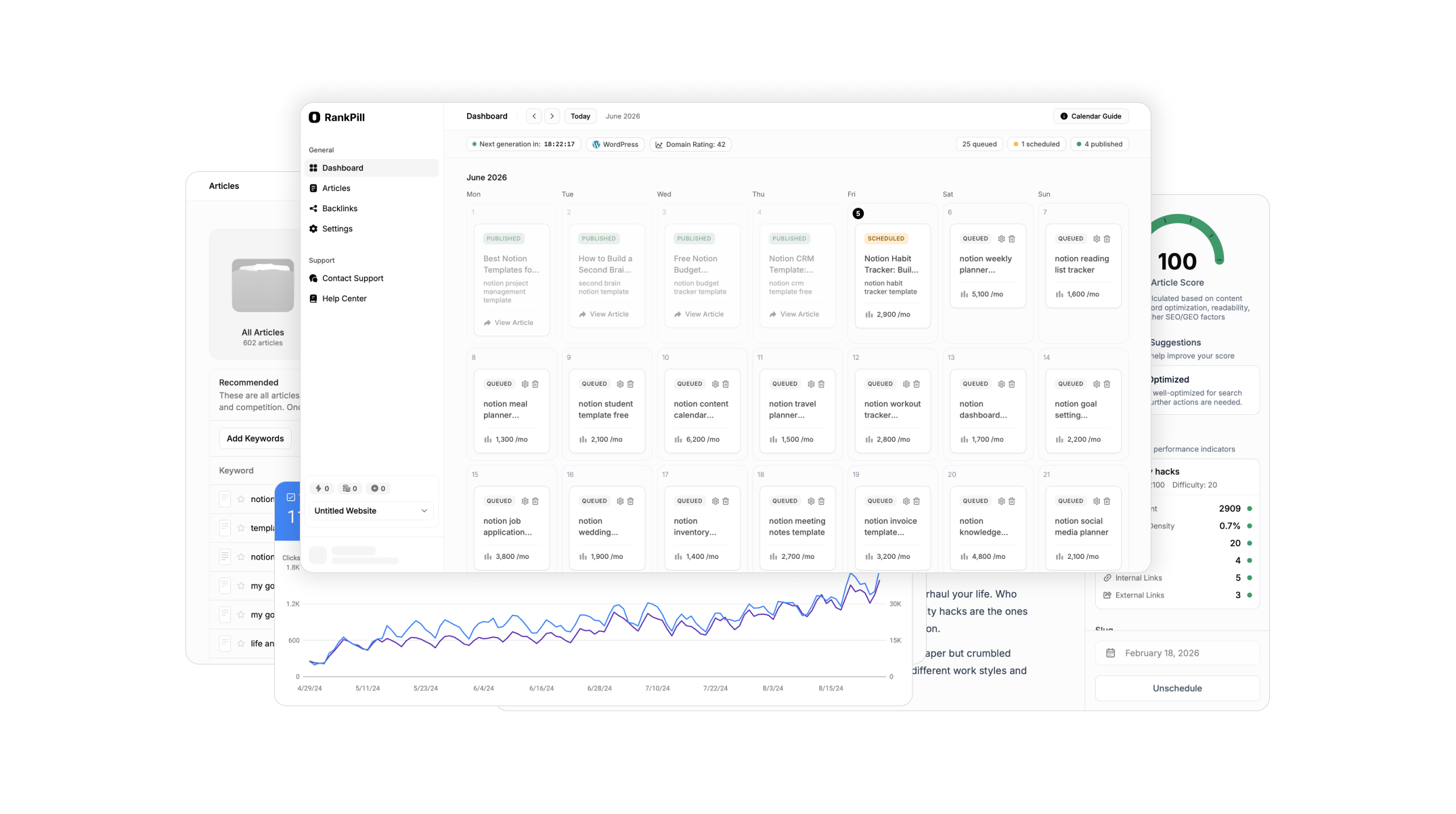
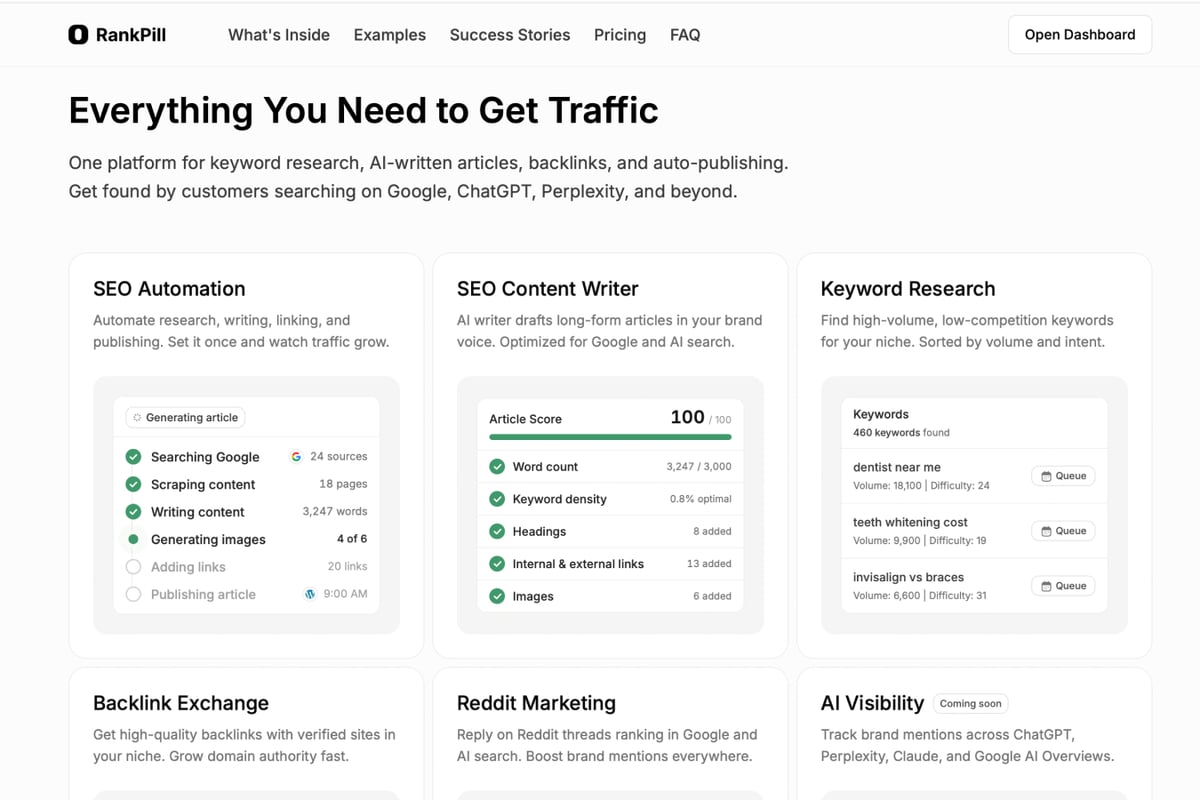
When planning content, consider which formats have historically earned the most backlinks in your industry. Tools like RankPill's SEO content writer can help scale the production of comprehensive, link-worthy content that supports both direct SEO value and digital PR campaigns. These AI-generated articles provide the foundation of authoritative content that media outlets reference when covering industry topics.
Converting PR Traffic Into Business Outcomes
Media coverage drives qualified traffic to your website, but that traffic only creates business value if your site converts visitors effectively. Ensure landing pages mentioned in press coverage are optimized for conversion with clear value propositions, compelling calls to action, and seamless user experiences.
Create dedicated landing pages for major PR campaigns that provide additional context, data, or resources beyond what's covered in the article. This approach keeps visitors engaged and guides them toward conversion actions.
Regional and Local Digital PR Strategies
While national and international coverage provides maximum authority, regional digital PR campaigns offer unique advantages for businesses serving specific geographic markets or looking to build diverse backlink profiles.
Geographic Targeting for Link Diversity
Local publications often prove more accessible than national outlets while still offering substantial SEO value. Regional news sites, local business journals, and city-specific blogs typically have engaged audiences and respectable domain authority.
Benefits of regional digital PR:
- Less competitive pitching environment
- Higher acceptance rates for relevant local angles
- Geographic backlink diversity (valuable for local SEO)
- Targeted traffic from your service areas
- Easier relationship building with local journalists
Tools like the SISTRIX geo-analysis tutorial demonstrate how to identify regional opportunities and plan data-driven campaigns that resonate with local media.
Scaling Regional Campaigns Efficiently
Develop campaign templates that can be localized for different markets. Original research with regional breakdowns, location-specific data visualizations, or city-by-city comparisons provide natural angles for pitching multiple local publications with the same core campaign.
This approach scales particularly well for businesses operating in multiple markets or industries with geographic variation. A single national study can generate dozens of local placements when pitched with region-specific angles.
Future-Proofing Digital PR for SEO in the AI Era
The search landscape continues evolving with AI-powered search experiences, AI overviews, and conversational search interfaces changing how users discover information. Digital PR strategies must adapt to remain effective as these technologies mature.
Optimizing for AI Search and Large Language Models
AI-powered search tools like ChatGPT, Perplexity, and Google's AI Overviews source information from authoritative publications and trusted media outlets. Digital PR campaigns that earn coverage in these sources position your brand to appear in AI-generated responses and summaries.
The BBC's research on AI journalism and responsible innovation explores how AI is transforming news discovery and consumption, highlighting the importance of maintaining presence in authoritative media sources as AI reshapes information access.
Maintaining Quality Standards as Automation Increases
While automation tools streamline many SEO processes, digital PR for SEO still requires human creativity, relationship building, and strategic thinking. The campaigns that earn coverage are those with genuine newsworthiness and value, not automated outreach at scale.
Balance efficiency with authenticity. Use automation for research, media list management, and performance tracking, but maintain the human touch in creative development, pitch personalization, and relationship nurturing that distinguishes successful digital PR from spam.
Areas where automation adds value:
- Media database research and contact discovery
- Performance tracking and reporting
- Content asset creation and optimization
- Competitor campaign monitoring
- Follow-up scheduling and reminder systems
Elements requiring human expertise:
- Campaign ideation and creative development
- Pitch personalization and customization
- Relationship building and networking
- Crisis management and reputation protection
- Strategic planning and goal alignment
Common Digital PR Mistakes That Undermine SEO Value
Even well-intentioned digital PR campaigns can fail to deliver SEO results when practitioners make strategic or tactical errors that reduce link quality or coverage potential.
Prioritizing Quantity Over Quality
Chasing high placement numbers without regard for publication authority dilutes the SEO impact of digital PR efforts. Ten links from low-authority blogs contribute far less than one link from a major industry publication. Focus outreach on publications that move the needle rather than accumulating meaningless metrics.
Similarly, avoid press release distribution services that promise hundreds of placements. Most of these "placements" appear on low-quality syndication sites that offer minimal SEO value and may even harm your backlink profile if Google identifies them as manipulative.
Ignoring Editorial Standards and Journalist Needs
Pitches that read like advertisements rather than newsworthy stories get deleted immediately. Journalists serve their readers, not your marketing objectives. Frame campaigns around insights, utility, or entertainment value for the publication's audience rather than product promotion.
Respect editorial independence. Never request specific anchor text, demand link placement, or push for promotional language. Journalists decide how to cover stories, and attempting to control coverage damages relationships and reduces future opportunities.
Failing to Maintain Link Equity
Some digital PR placements appear as coverage without including the valuable backlink component. This happens when publications mention your brand but don't link to your website, or when they use nofollow attributes on links.
While any coverage provides brand value, maximize SEO impact by making it easy for journalists to link properly. Provide the exact URL you want linked, ensure your website is functioning correctly when pitches go out, and create dedicated campaign landing pages that serve as natural link targets.
Combining Digital PR With Other Link Building Strategies
Digital PR for SEO works best as part of a diversified backlink acquisition strategy that combines multiple tactics for sustainable growth.
Complementary Link Building Approaches
While digital PR targets earned media coverage, other strategies fill gaps and create a natural-looking backlink profile. Guest posting on industry blogs, participating in expert roundups, creating linkable assets, and strategic partnerships all contribute to a healthy link ecosystem.
For businesses looking to accelerate backlink growth, platforms like RankPill's backlink exchange offer white-hat link building opportunities that complement digital PR efforts with relevant, quality backlinks from partner sites.
Balancing Effort and Impact
Different link building tactics require varying levels of effort and deliver different results. Digital PR for SEO typically demands significant upfront investment in campaign creation and outreach but can generate outsized returns through a single successful campaign.
Effort-to-impact comparison:
- Digital PR campaigns: High effort, potentially high impact, excellent link quality
- Guest posting: Moderate effort, moderate impact, good link quality when selective
- Resource page outreach: Low effort, low-to-moderate impact, variable link quality
- Link reclamation: Low effort, moderate impact when successful
- Strategic partnerships: Moderate-to-high effort, high impact for relevant collaborations
Allocate resources based on your team's capabilities, timeline, and business goals. Businesses with limited teams may find greater success focusing on one or two approaches executed excellently rather than spreading efforts too thin across multiple tactics.
Digital PR for SEO represents one of the most effective strategies for building authoritative backlink profiles while simultaneously growing brand awareness and trust. By creating genuinely newsworthy campaigns, targeting the right publications, and executing professional outreach, businesses can earn high-quality coverage that drives sustainable organic growth. The key is maintaining focus on quality, relevance, and authentic value creation rather than manipulation or shortcuts. RankPill complements digital PR efforts by automating the ongoing content creation, keyword research, and internal linking that support the high-authority backlinks earned through media coverage, creating a comprehensive SEO ecosystem that drives consistent organic traffic growth.
Unlock Traffic on Autopilot
Grow organic traffic on autopilot. RankPill will research, write, optimize, and publish articles to your website daily.