Geo Traffic: Optimize for AI Search Engines in 2026

Modest Mitkus · April 2, 2026
The digital marketing landscape has undergone a seismic shift with the emergence of AI-powered search engines and generative platforms. Traditional SEO metrics are no longer the complete picture as businesses now need to understand and optimize for geo traffic, which represents visitors arriving through generative engine optimization strategies. This new traffic source fundamentally changes how content creators approach visibility, requiring adaptation to AI citations, conversational queries, and the way platforms like ChatGPT, Perplexity, and Google's AI Overviews surface information. Understanding geo traffic is essential for maintaining competitive advantage in 2026's search ecosystem.
Understanding Geo Traffic in the AI Search Era
Geo traffic refers to visitors who discover your content through AI-powered answer engines rather than traditional search engine results pages. Unlike conventional organic traffic that arrives via blue links on Google, geo traffic originates from AI platforms that synthesize information and present it directly to users.
The fundamental difference lies in user behavior. Traditional search users click through multiple results, while AI search users receive immediate answers with cited sources. This shift means your content must not only rank but also be selected as the authoritative source for AI-generated responses.

The Rise of Generative Engine Optimization
Generative Engine Optimization (GEO) has emerged as the strategic framework for capturing geo traffic. According to research on GEO strategies, websites optimized for AI citations can see significant increases in referral traffic from these platforms.
Key characteristics of geo traffic include:
- Direct attribution: AI platforms cite sources directly in their responses
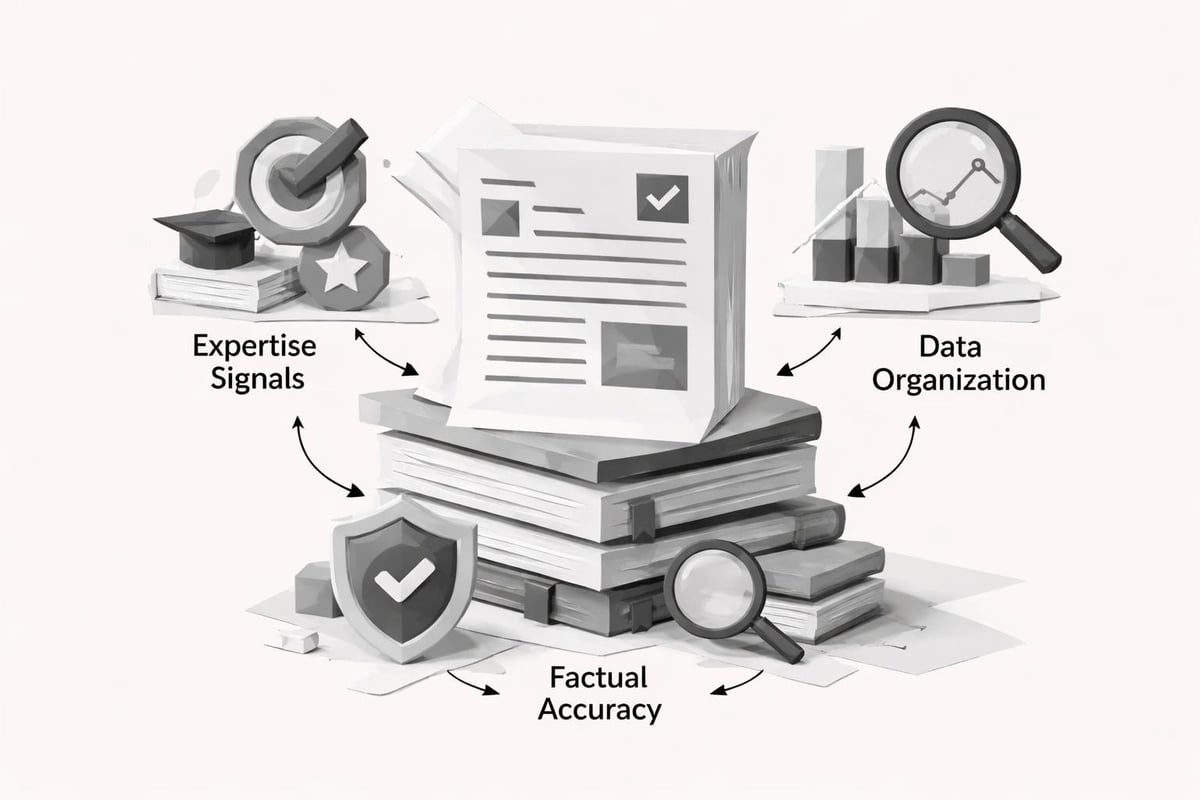
- Authority signals: Content must demonstrate expertise and reliability
- Structured information: Data organized for easy extraction and synthesis
- Conversational alignment: Content that matches natural language queries
The market for AI-driven search tools is experiencing explosive growth. Studies indicate that ChatGPT alone surpassed 100 million weekly active users by early 2026, creating massive opportunities for businesses that understand how to optimize for this channel.
How Geo Traffic Differs From Traditional Organic Traffic
Understanding the distinctions between geo traffic and traditional organic traffic is crucial for developing effective optimization strategies. While both aim to increase visibility, they operate through fundamentally different mechanisms.
| Traffic Type | Source | User Intent | Measurement | Optimization Focus |
|---|---|---|---|---|
| Organic Traffic | Search engine results pages | Research and comparison | Click-through rates, rankings | Keywords, backlinks, technical SEO |
| Geo Traffic | AI-generated responses | Immediate answers | Citations, referrals | Authority, structure, clarity |
| Direct Traffic | Bookmarks, typed URLs | Brand familiarity | Return visits | Brand building, retention |
Traditional SEO focuses heavily on keyword placement, meta descriptions, and title tags designed to encourage clicks. Geo traffic optimization prioritizes content comprehensiveness, factual accuracy, and structured data that AI engines can confidently reference.
Attribution and Tracking Challenges
Measuring geo traffic presents unique challenges. Many AI platforms don't pass traditional referral data, making attribution difficult. Website owners often see this traffic categorized as direct or unattributed in analytics platforms.
Best practices for tracking geo traffic include implementing UTM parameters when possible, monitoring brand mentions across AI platforms, and analyzing traffic spikes that correlate with new AI platform features. Understanding how to get recommended by ChatGPT provides insights into optimization techniques that drive measurable results.
Optimizing Content for Maximum Geo Traffic
Creating content that generates substantial geo traffic requires a strategic approach that differs from traditional SEO content development. The focus shifts from keyword density to information density and structural clarity.
Content Depth and Expertise Demonstration
AI engines prioritize comprehensive, authoritative content when selecting sources to cite. Shallow articles rarely earn citations, regardless of their keyword optimization.
Your content strategy should include:
- In-depth topic coverage spanning 2,000+ words for pillar content
- Expert perspectives with quotes, research citations, and unique insights
- Data-driven analysis using statistics, case studies, and original research
- Regular updates ensuring information remains current and accurate
- Multi-format presentation including tables, lists, and structured sections
The shift toward AI-powered content creation enables businesses to scale comprehensive content production while maintaining quality standards.
Structural Optimization Techniques
Practical GEO optimization techniques emphasize how content structure directly impacts AI citation rates. Well-structured content allows AI engines to extract specific information efficiently.
Implement these structural elements:
- Clear section hierarchies with descriptive headings
- Bulleted and numbered lists for scannable information
- Data tables comparing features, specifications, or options
- Definition callouts explaining technical terms
- Step-by-step processes broken into discrete actions
Schema markup and structured data amplify these efforts by providing machine-readable context. Rich snippets, FAQ schema, and how-to markup all increase the likelihood of AI citation.
Strategic Keyword Research for Geo Traffic
Keyword research for geo traffic optimization differs substantially from traditional SEO approaches. The focus shifts from search volume metrics to conversational patterns and question-based queries.
Conversational Query Patterns
AI platforms respond to natural language queries that often resemble complete sentences or questions. Users ask "How can I optimize my website for AI search engines in 2026?" rather than searching "AI SEO optimization 2026."
Research conversational queries by:
- Analyzing question patterns in forums like Reddit and Quora
- Reviewing "People Also Ask" sections in Google results
- Monitoring social media discussions in your industry
- Using AI platforms themselves to identify common query formats
- Studying customer support tickets for recurring questions
Understanding how to identify and target the right keywords provides a foundation that extends naturally into geo traffic optimization.
Intent Mapping and Topic Clusters
Topic cluster architecture serves both traditional SEO and geo traffic goals. By organizing content around core themes with supporting subtopics, you create comprehensive resource hubs that AI engines recognize as authoritative.
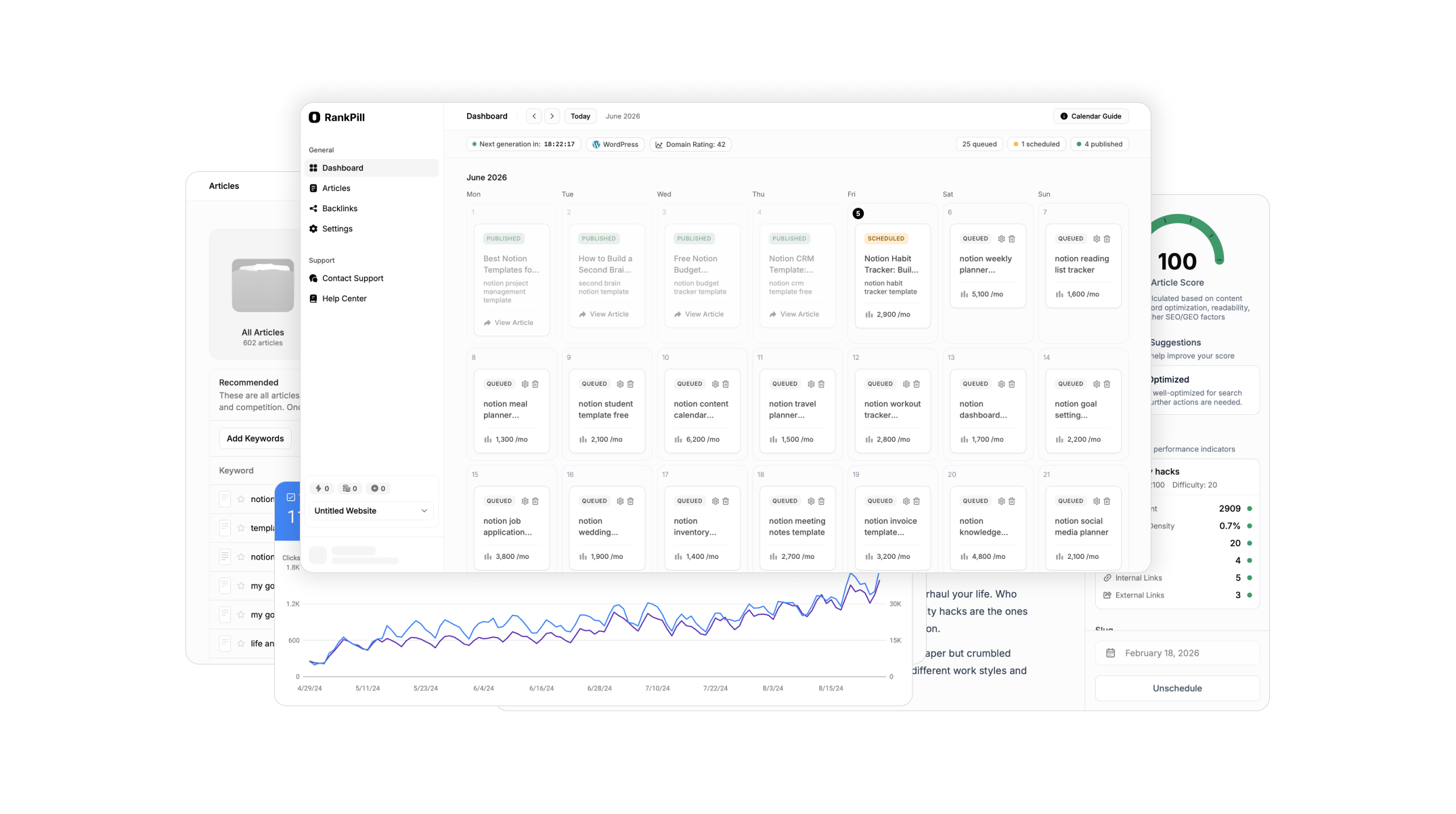
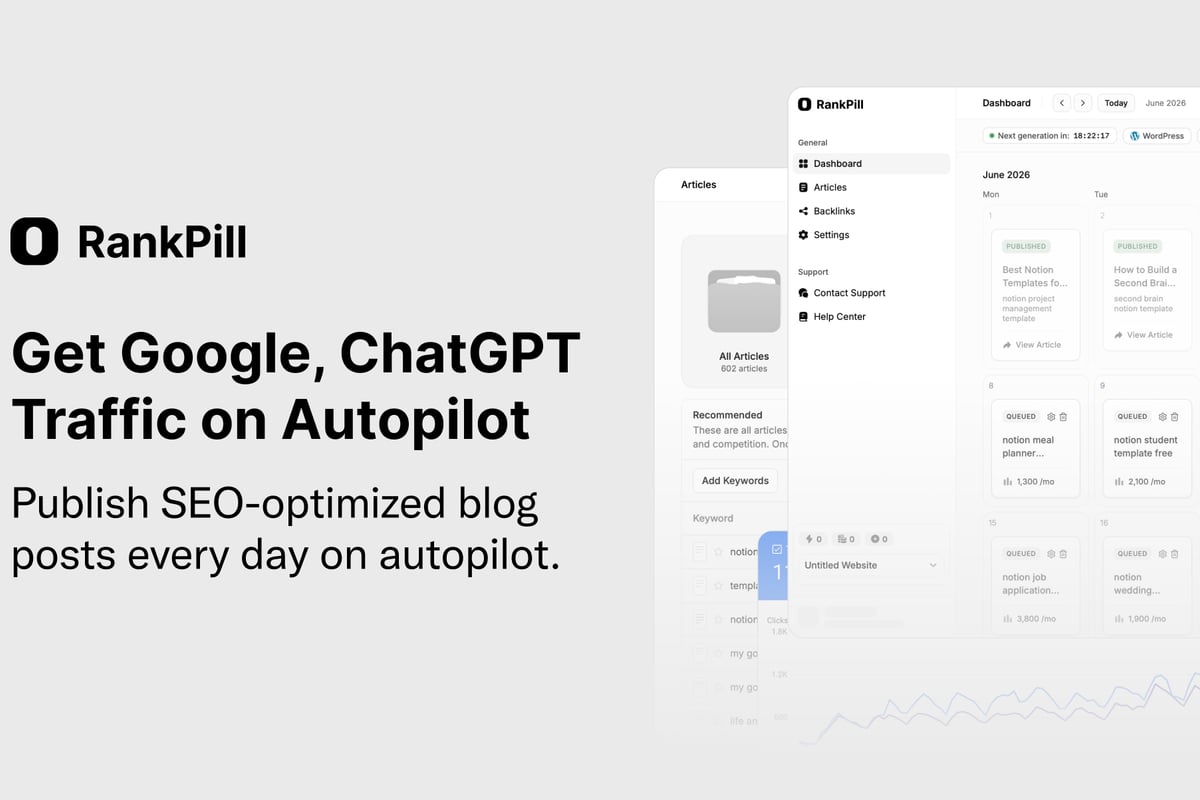
RankPill automates this process by analyzing competitor keywords and identifying topic opportunities that traditional manual research might miss. The platform researches, writes, and publishes optimized content targeting both Google and AI search engines like ChatGPT, making it an efficient solution for businesses scaling their geo traffic acquisition.
| Topic Cluster Element | Purpose | Geo Traffic Benefit |
|---|---|---|
| Pillar Page | Comprehensive overview | Primary citation source |
| Supporting Articles | Detailed subtopics | Specific query responses |
| Internal Links | Topic relationships | Enhanced authority signals |
| Regular Updates | Content freshness | Maintained relevance |
Technical Implementation for Geo Traffic Growth
Beyond content quality, technical factors significantly influence geo traffic acquisition. AI engines evaluate website reliability, speed, and accessibility when determining citation worthiness.
Site Architecture and Navigation
Clear site architecture helps AI engines understand your content relationships and expertise areas. Implement logical URL structures, intuitive navigation hierarchies, and comprehensive internal linking.
Best practices include:
- Organizing content into clear category structures
- Using descriptive, keyword-rich URLs
- Creating XML sitemaps for efficient crawling
- Implementing breadcrumb navigation
- Building robust internal linking between related topics
The relationship between SEO automation tools and technical implementation becomes crucial when scaling geo traffic strategies across large content libraries.
Performance and Mobile Optimization
AI platforms increasingly consider user experience signals when selecting sources. Slow-loading pages or mobile-unfriendly designs reduce citation probability even when content quality is high.
Technical optimization priorities:
- Page speed under 3 seconds for initial load
- Mobile responsiveness with thumb-friendly interfaces
- Core Web Vitals meeting Google's standards
- Secure connections via HTTPS implementation
- Clean code without excessive scripts or bloat
Building Authority Signals for AI Citations
AI engines rely heavily on authority signals when determining which sources to cite. Unlike traditional backlink counting, AI platforms evaluate multiple trust indicators simultaneously.
E-E-A-T and Credibility Markers
Google's E-E-A-T framework (Experience, Expertise, Authoritativeness, Trustworthiness) directly influences AI citation decisions. Content demonstrating these qualities receives preferential treatment.
Strengthen authority signals through:
- Author bios highlighting relevant expertise and credentials
- Citations to authoritative sources and research studies
- Regular content updates reflecting current information
- Transparent fact-checking and correction processes
- Professional design and user experience
Understanding whether Google can detect AI content becomes less relevant when content demonstrates genuine expertise and provides unique value regardless of creation method.
External Validation and Mentions
Brand mentions across the web, even without direct links, contribute to authority perception. AI engines track where and how frequently your brand appears in relevant contexts.
Develop external validation by:
- Guest contributions to industry publications
- Media coverage through press releases and journalist outreach
- Expert interviews on podcasts and video platforms
- Conference speaking establishing thought leadership
- Professional certifications demonstrating expertise

Content Formats That Maximize Geo Traffic
Certain content formats naturally perform better for geo traffic acquisition. Understanding which formats AI engines prefer helps prioritize content development resources.
High-Performance Content Types
Research into GEO optimization strategies reveals specific content formats that consistently earn AI citations at higher rates.
Top-performing formats include:
- Comprehensive guides covering topics exhaustively
- Comparison articles evaluating multiple options objectively
- How-to tutorials with step-by-step instructions
- Statistical roundups compiling industry data
- Expert interviews providing unique perspectives
- Case studies demonstrating real-world applications
The integration of videos and SEO enhances content richness, though AI engines currently cite text-based content more frequently than multimedia sources.
Data Presentation and Visualization
AI engines excel at extracting and presenting structured data. Content incorporating tables, charts, and organized data receives preferential citation treatment.
Optimize data presentation through:
| Technique | Implementation | Geo Traffic Impact |
|---|---|---|
| Comparison Tables | Feature-by-feature analysis | High citation for specific comparisons |
| Statistical Charts | Visual data representation | Moderate citation with text alternatives |
| Process Diagrams | Step-by-step workflows | High citation for instructional queries |
| Timeline Graphics | Chronological information | Moderate citation for historical context |
Measuring and Analyzing Geo Traffic Performance
Effective optimization requires measuring results accurately. While geo traffic tracking presents challenges, several approaches provide meaningful insights into performance trends.
Analytics Configuration and Monitoring
Standard analytics platforms don't automatically categorize geo traffic separately from other sources. Custom configuration enables more accurate tracking and attribution.
Implementation steps:
- Create custom segments filtering AI platform referrals
- Monitor unattributed direct traffic patterns
- Track brand mention volume across AI platforms
- Analyze traffic spikes correlating with AI feature launches
- Survey users about discovery sources
Understanding overall traffic generation strategies provides context for evaluating geo traffic contribution within your broader acquisition mix.
Performance Benchmarking
Establish baseline metrics before implementing geo traffic optimization to measure improvement accurately. Key performance indicators differ from traditional SEO metrics.
Monitor these geo traffic-specific metrics:
- Citation frequency across major AI platforms
- Referral traffic volume from identified AI sources
- Brand mention velocity in AI responses
- Authority score trends based on citation quality
- Topic coverage gaps where competitors earn citations
Advanced Strategies for Competitive Geo Traffic Advantage
As geo traffic optimization matures, competitive advantages emerge from sophisticated implementation strategies that go beyond basic best practices.
Semantic Content Mapping
AI engines understand context and semantic relationships between topics. Creating content that addresses related concepts comprehensively improves citation probability across query variations.
Develop semantic maps by identifying core topics, related subtopics, supporting concepts, and contextual terms. This approach aligns naturally with how AI platforms like ChatGPT process and retrieve information.
Multi-Platform Optimization
Different AI platforms prioritize different content characteristics. ChatGPT values conversational depth, while Google AI Overviews emphasizes structured data and quick answers. Perplexity favors recent information with clear citations.
Tailor content elements for platform-specific optimization while maintaining core quality standards. This doesn't mean creating separate content versions but rather incorporating elements that appeal across platforms.
Integration With Existing SEO Workflows
Geo traffic optimization shouldn't replace traditional SEO but rather complement and extend existing strategies. The most successful approaches integrate both methodologies seamlessly.
Unified Content Strategy
Develop content that serves both traditional search and AI platform requirements. Comprehensive guides on AI SEO platforms demonstrate how unified strategies deliver superior results across all channels.
Integration priorities:
- Maintain keyword targeting while adding conversational elements
- Preserve traditional on-page SEO while enhancing structure
- Continue backlink building while developing authority signals
- Keep technical SEO standards while optimizing for AI access
- Monitor traditional rankings alongside citation metrics
The relationship between AI and SEO continues evolving as platforms develop more sophisticated content evaluation mechanisms.
Resource Allocation and Prioritization
Balancing geo traffic optimization with existing SEO requires strategic resource allocation. Most businesses benefit from gradual integration rather than complete strategy overhauls.
Start by identifying high-value content candidates for geo optimization, typically comprehensive guides, cornerstone content, and frequently updated resources. Optimize these pieces first while continuing traditional SEO for new content development.
Geo traffic represents a fundamental shift in how users discover and engage with content online. As AI-powered search platforms continue gaining market share throughout 2026, businesses that optimize for generative engine citations will capture increasingly valuable traffic sources. By focusing on comprehensive content, clear structure, and demonstrated expertise, you position your website for success across both traditional and AI-driven search channels. RankPill automates the entire process of researching, writing, and publishing content optimized for both Google and AI search engines, enabling businesses to scale their geo traffic acquisition efficiently while maintaining the quality and depth that AI platforms reward with citations.
Unlock Traffic on Autopilot
Grow organic traffic on autopilot. RankPill will research, write, optimize, and publish articles to your website daily.