
How to Get Mentioned by AI: A Complete Guide for 2026

Modest Mitkus
May 15, 2026
Artificial intelligence has fundamentally transformed how people discover information, products, and services online. As users increasingly turn to AI chatbots and search engines for recommendations, understanding how to get mentioned by ai has become essential for businesses seeking visibility in this new landscape. Unlike traditional search engine optimization, AI mention optimization requires a different approach focused on building authority, creating structured content, and establishing your brand as a reliable information source that AI models trust and reference.
Understanding AI Mentions and Why They Matter
AI mentions occur when language models like ChatGPT, Claude, Perplexity, or Google's AI Overviews cite or recommend your brand in response to user queries. These mentions represent a new form of digital visibility that operates independently from traditional search rankings.
The fundamental difference between traditional SEO and generative engine optimization lies in how information gets selected. Search engines rank pages based on relevance signals and backlinks, while AI models synthesize information from their training data and real-time sources to generate contextual recommendations.
The Value of AI Citations
When users receive AI-generated answers, they often trust these recommendations more than traditional search results because they appear as personalized suggestions rather than ranked listings. This creates significant opportunities for brands that successfully position themselves as authoritative sources.
Key benefits of AI mentions include:
- Higher conversion rates from qualified traffic
- Enhanced brand credibility through third-party validation
- Reduced dependency on traditional search rankings
- Access to conversational commerce opportunities
- Improved visibility across multiple AI platforms simultaneously
Building the Foundation for AI Visibility
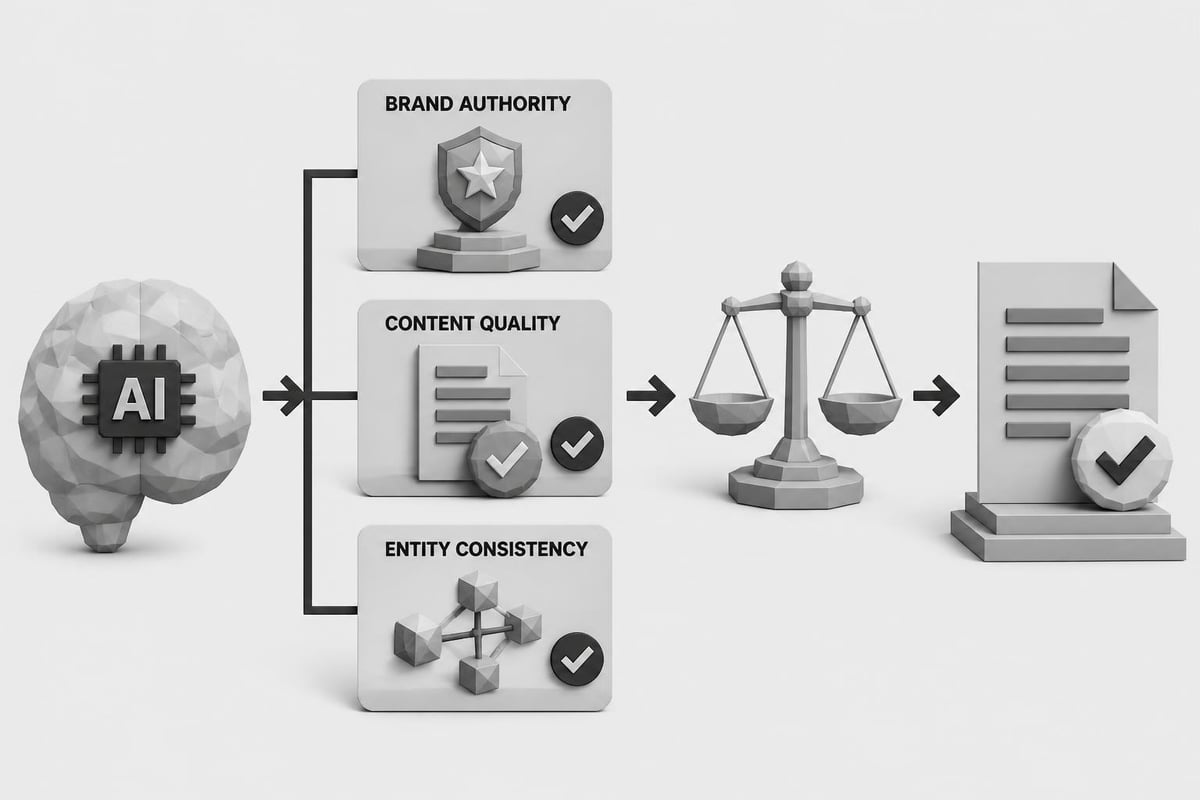
The path to getting mentioned by AI begins with establishing strong foundational elements that AI models recognize and trust. These elements signal to AI systems that your brand represents a credible, authoritative source worth citing.
Establish Clear Brand Identity
AI models rely heavily on entity recognition to understand brands and their relationships. Consistent naming conventions, structured data, and clear brand descriptions across all digital properties help AI systems accurately identify and reference your business.
Create a comprehensive brand knowledge graph by maintaining consistent information across Wikipedia, Wikidata, LinkedIn, Crunchbase, and major industry directories. Each platform should present identical company descriptions, founding dates, leadership information, and core offerings.
Optimize for Crawlability and Indexing
According to guidance from experts on AI accessibility, ensuring AI crawlers can access your content is fundamental. Check your robots.txt file to verify you're not blocking important AI user agents like GPTBot, CCBot, or Google-Extended.
| Crawler Type | User Agent | Purpose |
|---|---|---|
| OpenAI | GPTBot | Training ChatGPT models |
| Google-Extended | AI feature development | |
| Common Crawl | CCBot | Public dataset creation |
| Anthropic | ClaudeBot | Training Claude models |
Allow these crawlers while implementing rate limiting to prevent server overload. Your website should balance accessibility with performance optimization.
Creating AI-Friendly Content Structures
The format and structure of your content directly impacts whether AI models can extract and cite your information. Unlike human readers who navigate through visual hierarchy, AI systems parse structured data and clearly defined information patterns.
Implement Structured Data Markup
Schema markup provides explicit context that helps AI models understand your content's meaning and relationships. Implement Organization, Article, Product, FAQ, and HowTo schemas relevant to your business type.
Priority schema types for AI mentions:
- Organization schema with complete contact details
- Article schema with author credentials and publication dates
- Product schema with detailed specifications and reviews
- FAQ schema for common customer questions
- BreadcrumbList schema for site hierarchy
Validate your structured data using Google's Rich Results Test and ensure consistency across all pages. AI models prioritize sources with complete, accurate structured data over those without it.
Design Content for Extractability
Content extractability refers to how easily AI models can identify, understand, and cite specific information from your pages. The structure recommended by technical SEO experts emphasizes clear headings, concise paragraphs, and definitive statements.
Format answers to common questions as direct, quotable statements. Begin sections with clear topic sentences that AI models can extract as standalone citations. Use bullet points for lists, tables for comparisons, and consistent formatting throughout.
Establishing Topical Authority
AI models favor sources that demonstrate deep expertise in specific subject areas. Building topical authority requires comprehensive coverage of your industry domain rather than scattered content across unrelated topics.
Create Content Clusters
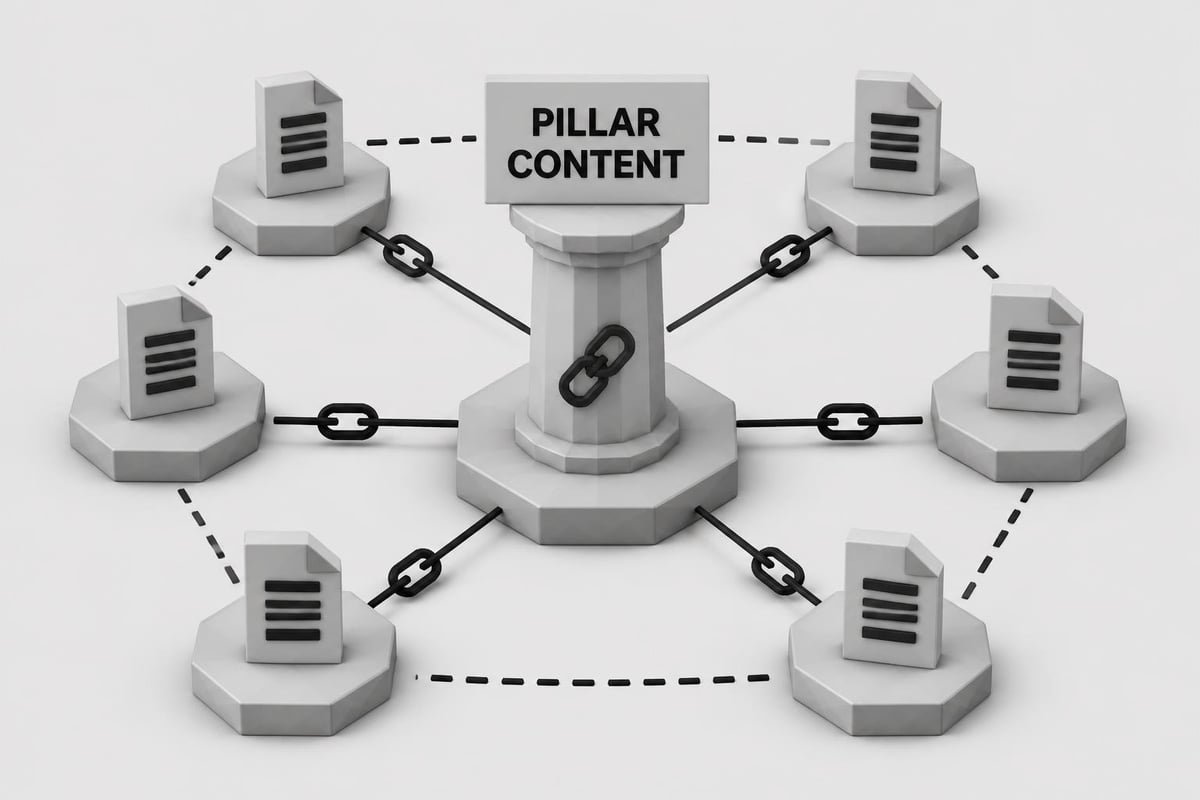
Develop pillar content covering broad topics in your industry, then create detailed supporting articles addressing specific subtopics. This cluster approach signals to AI models that you possess comprehensive knowledge rather than superficial coverage.
For example, an AI SEO platform would create a pillar article about AI and SEO, supported by detailed pieces on keyword research, content optimization, automation strategies, and performance measurement.
Demonstrate E-E-A-T Signals
Experience, Expertise, Authoritativeness, and Trustworthiness (E-E-A-T) influence both traditional search rankings and AI citation decisions. Strengthen these signals through detailed author bios, credential citations, original research, and transparent sourcing.
Include author bylines with relevant expertise, link to external research supporting your claims, and cite data from authoritative sources. AI models recognize these credibility signals and preferentially cite sources that demonstrate them consistently.
Optimizing for Real-Time AI Systems
While some AI models rely solely on training data, others access real-time information through search APIs and web crawling. Understanding how to get mentioned by ai in these dynamic systems requires different tactics than influencing training data.
Target High-Authority Publications
Real-time AI systems often pull information from recognized authoritative sources like major news outlets, academic institutions, and industry-leading publications. Getting your brand mentioned in these sources exponentially increases AI citation probability.
Develop relationships with journalists, contribute expert commentary to industry publications, and pursue speaking opportunities at recognized conferences. Each high-authority mention creates citation opportunities across multiple AI platforms simultaneously.
Maintain Fresh, Updated Content
AI systems accessing real-time information prioritize recently updated content over outdated material. Regular content updates signal ongoing relevance and accuracy, increasing citation likelihood.
Content freshness optimization strategy:
- Review and update statistics quarterly
- Add new sections addressing emerging trends
- Update publication dates when making substantial revisions
- Archive or redirect genuinely outdated content
- Monitor industry changes requiring content updates
This maintenance demonstrates to AI systems that your information remains current and reliable, as noted in comprehensive AI visibility guides.
Leveraging Citations and Backlinks
The same principles that make backlinks valuable for traditional SEO apply to AI mentions. Citations from authoritative sources strengthen your brand's credibility in AI model evaluations.
Build Strategic Partnerships
Collaborate with complementary businesses, industry organizations, and educational institutions to create mutually beneficial citation opportunities. Guest contributions, joint research, and co-marketing initiatives generate authoritative backlinks that AI models recognize.
Focus on quality over quantity. A single citation from a recognized industry authority carries more weight than dozens of mentions from low-quality directories. Prioritize relationships that generate genuine value for both parties.
Create Linkable Assets
Develop original research, comprehensive guides, interactive tools, or unique datasets that naturally attract citations. These assets generate backlinks organically while positioning your brand as an information leader in your industry.
| Asset Type | Citation Potential | Creation Effort | Longevity |
|---|---|---|---|
| Original Research | Very High | High | Long-term |
| Comprehensive Guides | High | Medium | Medium-term |
| Interactive Tools | High | High | Long-term |
| Industry Reports | Very High | High | Annual |
| Data Visualizations | Medium | Medium | Medium-term |
Monitoring and Measuring AI Mentions
Understanding your current AI visibility provides baseline metrics for measuring improvement. Regular monitoring helps identify which strategies effectively increase how to get mentioned by ai systems.
Track AI Platform Responses
Systematically query major AI platforms with branded and non-branded searches relevant to your business. Document when and how your brand appears, including context, accuracy, and positioning relative to competitors.
Test queries across ChatGPT, Claude, Perplexity, Google AI Overviews, and Bing Chat. Record monthly results to track trends over time. Specialized monitoring tools automate this process, providing regular reports on brand mention frequency and context.
Analyze Citation Patterns
Review the sources AI models cite when mentioning your brand. Identify common authoritative sources, content formats, and topic areas that generate citations most frequently. This analysis reveals which optimization strategies deliver the strongest results.
Look for patterns in citation context. Are mentions occurring for branded searches only, or does your brand appear in response to generic industry queries? The latter indicates stronger topical authority and broader AI visibility.
Advanced Strategies for Competitive Advantage
Once foundational elements are established, advanced tactics can accelerate your progress in getting mentioned by AI systems and differentiate your brand from competitors.
Optimize for Conversational Queries
AI interactions typically involve natural language questions rather than keyword-based searches. Optimize content to answer conversational queries using question-based headings and complete sentence answers.
Research common customer questions using forums, social media, and customer service logs. Structure content to directly answer these questions in formats AI models can easily extract and cite.
Implement Entity Optimization
Consistent entity representation across all digital properties strengthens AI model confidence in citing your brand. Standardize company names, product names, leadership titles, and key terminology throughout your online presence.
According to detailed implementation guides, entity consistency should extend beyond your owned properties to partner sites, press releases, and social profiles. Variations in naming conventions confuse AI models and reduce citation probability.
Create Video and Multimedia Content
As AI systems incorporate multimodal capabilities, video transcripts, podcast content, and multimedia resources increasingly influence citation decisions. Repurpose written content into video formats with accurate transcripts that AI models can parse.
Platforms like YouTube represent significant data sources for AI training. Publishing educational videos with detailed transcripts, comprehensive descriptions, and relevant tags creates additional citation opportunities across both text and voice-based AI systems.

Industry-Specific Optimization Tactics
Different industries require tailored approaches to maximize AI mention opportunities. Understanding your specific sector's dynamics helps prioritize the most effective strategies.
Service-Based Businesses
For service providers like yoga studios or locksmiths, local authority signals matter significantly. Optimize Google Business Profiles, maintain consistent NAP (Name, Address, Phone) information, and generate genuine customer reviews that AI models can reference.
Create detailed service pages answering specific customer questions. Structure content around "how to choose," "what to expect," and "cost considerations" queries that potential customers ask AI assistants.
E-commerce and Product Businesses
Product-focused businesses should prioritize detailed product specifications, comparison content, and comprehensive reviews. Implement Product schema with complete attribute information, pricing, availability, and authentic customer feedback.
Develop buying guides, comparison articles, and educational content addressing customer research queries. This positions your brand as both a seller and an authoritative information source, increasing citation probability.
Content and Media Companies
Publishers and content creators should focus on establishing author authority, topical expertise, and editorial credibility. Detailed author bios, consistent bylines, and expertise credentials signal to AI models that content meets high editorial standards.
Developing expertise in specific content niches rather than broad general coverage strengthens topical authority. AI models preferentially cite specialized sources over generalist publications for technical or specialized queries.
Automating Your AI Visibility Strategy
Implementing comprehensive strategies to get mentioned by AI requires consistent effort across multiple channels. Automation tools streamline this process while maintaining the quality AI models expect.
Platforms that handle content creation, optimization, and distribution reduce the manual workload while ensuring consistent implementation of AI-friendly best practices. RankPill's SEO Automation handles keyword research, article generation, structured data implementation, and publishing workflows automatically, freeing teams to focus on strategy rather than execution.
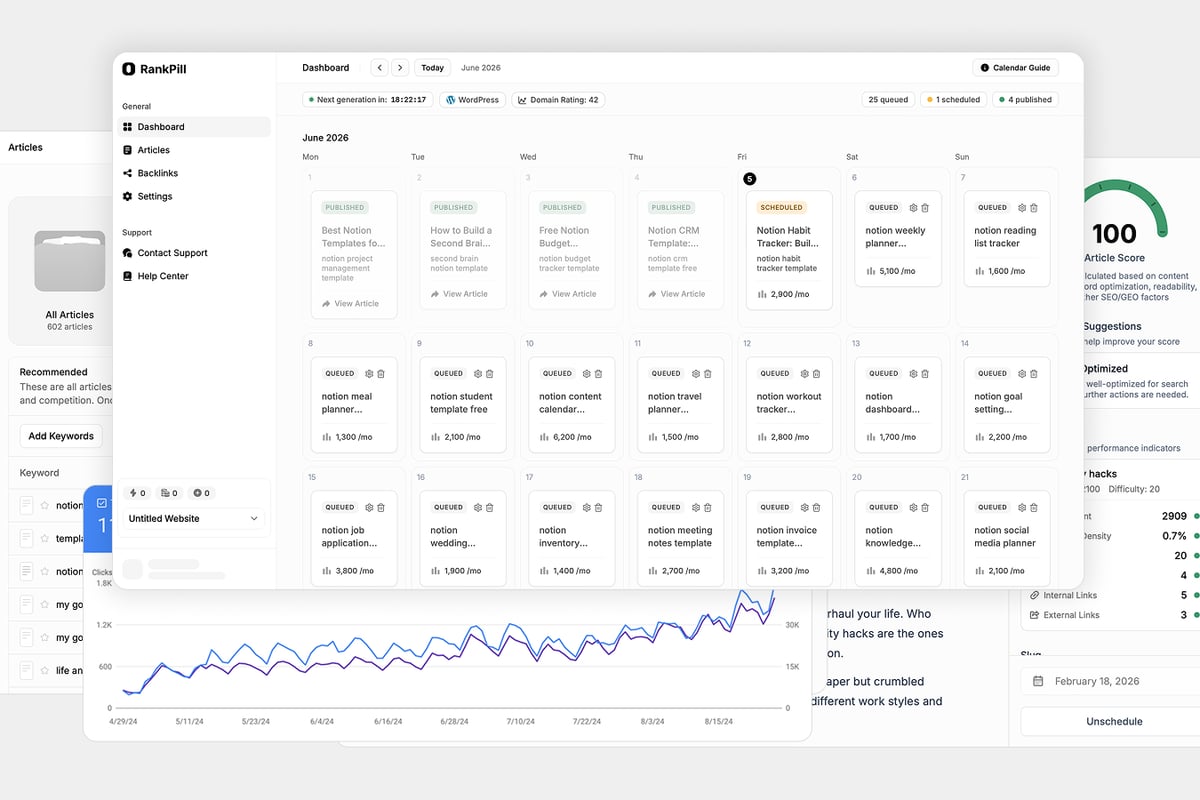
Automated systems excel at maintaining the consistency and freshness that AI models prioritize. Regular publishing schedules, systematic content updates, and standardized formatting occur reliably without requiring constant manual attention.
Common Mistakes to Avoid
Understanding what not to do prevents wasted effort and potential penalties that could reduce rather than increase AI visibility.
Keyword Stuffing and Over-Optimization
While traditional SEO sometimes rewards aggressive optimization, AI models recognize and discount obviously over-optimized content. Write naturally for human readers first, incorporating relevant terms organically rather than forcing keyword density.
AI systems analyze semantic relationships and contextual relevance rather than simple keyword matching. Content that reads unnaturally or repeats phrases excessively signals low quality, reducing citation probability.
Inconsistent Information Across Properties
Contradictory information across different platforms confuses AI models and reduces confidence in citing your brand. Ensure company descriptions, founding dates, leadership information, and core offerings match exactly across all digital properties.
Regular audits of your digital footprint identify inconsistencies requiring correction. Prioritize high-authority platforms like Wikipedia, LinkedIn, and Crunchbase where AI models frequently source information.
Neglecting Technical Infrastructure
Even exceptional content fails to generate AI mentions if technical issues prevent crawling or parsing. Slow page speeds, broken links, crawl errors, and inaccessible content all reduce AI visibility regardless of content quality.
Critical technical elements to monitor:
- Server response times under 200ms
- Mobile responsiveness across devices
- Valid HTML and structured data markup
- Accessible content without JavaScript requirements
- Updated SSL certificates and security protocols
Regular technical SEO audits using tools like Google Search Console identify issues requiring resolution. Address technical problems before investing in content optimization to ensure AI crawlers can access improvements.
The Role of Social Proof and Reviews
AI models increasingly incorporate social signals, reviews, and third-party validation into citation decisions. Building genuine social proof strengthens your brand's credibility across multiple evaluation dimensions.
Encourage Authentic Customer Reviews
Genuine customer feedback on Google, industry-specific review platforms, and third-party sites provides AI models with crowd-sourced validation of your brand's quality and reputation. Implement systematic review collection processes that encourage satisfied customers to share experiences.
Focus on review quality rather than just quantity. Detailed reviews addressing specific product features, service experiences, or problem resolution carry more weight than brief star ratings without context.
Participate in Industry Conversations
Active participation in relevant industry discussions, forums, and social platforms establishes your brand as an engaged community member rather than just a commercial entity. Thoughtful contributions to discussions increase brand mentions across platforms AI models monitor.
Join industry-specific Reddit communities, LinkedIn groups, and professional forums. Provide genuinely helpful information without aggressive self-promotion. This positions your brand as a valuable resource that AI models recognize and cite.
Integrating AI Visibility with Traditional SEO
Rather than replacing traditional search engine optimization, strategies to get mentioned by AI complement and enhance conventional SEO efforts. Both approaches share common foundations while addressing different discovery mechanisms.
Understanding how AI impacts content marketing helps create integrated strategies that maximize visibility across both traditional and AI-powered search systems. Content optimized for extractability and clear structure performs well in both contexts.
Structured data, clear headings, authoritative backlinks, and topical expertise benefit both traditional search rankings and AI citation probability. Investing in these foundational elements delivers compounding returns across multiple discovery channels simultaneously.
The future of search involves hybrid systems combining traditional ranking algorithms with AI-generated answers. Optimizing for both ensures sustained visibility regardless of how search technology evolves.
Getting mentioned by AI represents a fundamental shift in how brands achieve digital visibility and connect with potential customers. By establishing clear entity identity, creating structured content, building topical authority, and maintaining consistent information across platforms, businesses position themselves as sources AI models trust and reference. RankPill automates the content creation and optimization processes that drive AI visibility, generating structured, authoritative articles that meet AI citation criteria while scaling your content production effortlessly.