
Perplexity SEO: Optimize for AI-Powered Search in 2026

Modest Mitkus · May 16, 2026
The search landscape is undergoing a fundamental transformation as AI-powered engines like Perplexity AI reshape how users discover information. Traditional SEO strategies that focused solely on Google rankings no longer tell the complete story. Perplexity SEO represents a new frontier in optimization, where content must satisfy both traditional search algorithms and AI-driven answer engines that synthesize information from multiple sources. Understanding how to optimize for this emerging platform is becoming essential for businesses looking to maintain visibility in an increasingly AI-dominated search ecosystem.
Understanding Perplexity SEO and Its Growing Importance
Perplexity AI operates differently from conventional search engines. Rather than simply displaying a list of ranked pages, it generates comprehensive answers by pulling information from various authoritative sources and citing them transparently. This fundamental shift changes how content creators approach optimization.
Perplexity SEO focuses on making your content cite-worthy rather than just click-worthy. The platform evaluates content based on relevance, authority, freshness, and structural clarity. When users ask questions, Perplexity's algorithms scan the web for the most reliable answers, then synthesize that information into cohesive responses with proper attribution.
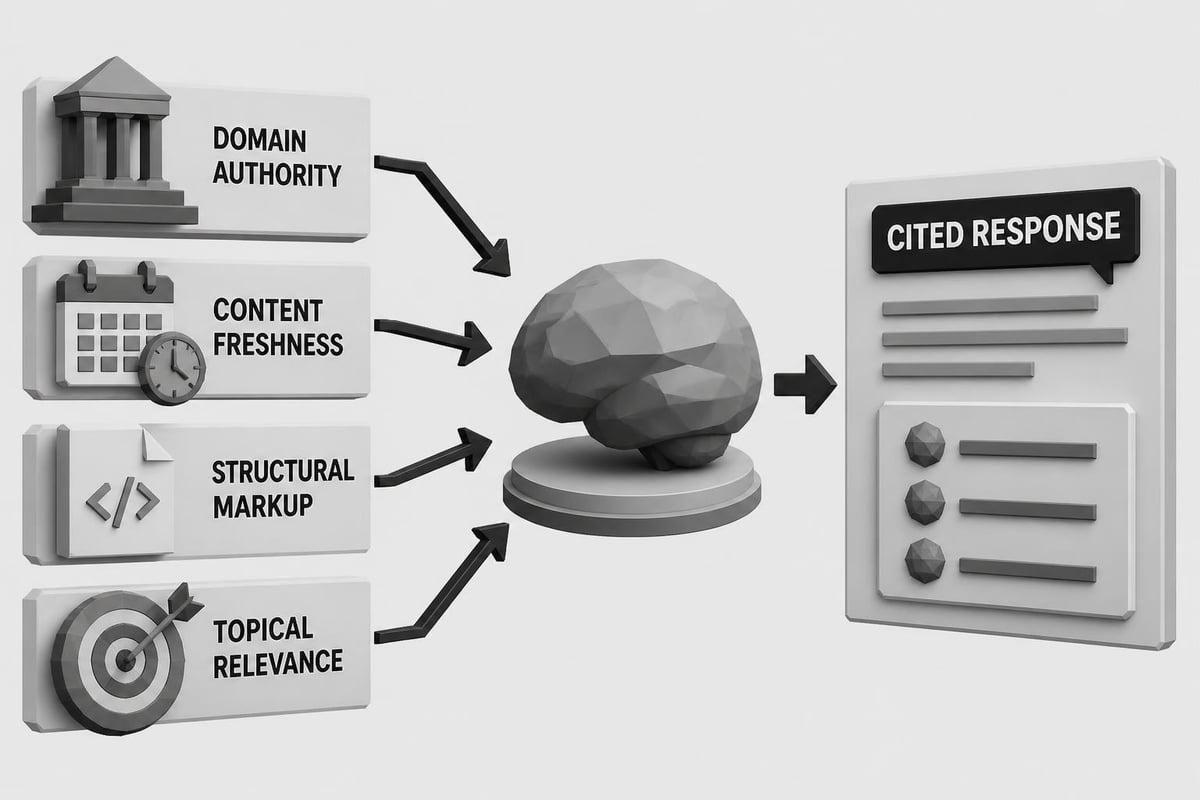
The growth trajectory of Perplexity AI has caught the attention of SEO professionals worldwide. According to insights on Perplexity AI's rapid expansion, the platform prioritizes fresh, well-sourced, and authoritative content. This preference creates new opportunities for businesses that can deliver high-quality information structured for AI consumption.
Key Differences Between Traditional SEO and Perplexity SEO
| Aspect | Traditional SEO | Perplexity SEO |
|---|---|---|
| Primary Goal | Rank #1 for keywords | Get cited in AI answers |
| Success Metric | Click-through rate | Citation frequency |
| Content Focus | Keyword optimization | Answer completeness |
| Update Frequency | Monthly/quarterly | Weekly/daily preferred |
| Authority Signals | Backlinks, domain age | Source quality, expertise |
The fundamental approach to perplexity optimization emphasizes content freshness and domain authority above all else. While traditional SEO rewards comprehensive keyword targeting, perplexity SEO demands concise, accurate answers backed by credible evidence.
Essential Perplexity SEO Ranking Factors
Several critical factors influence whether Perplexity AI will select and cite your content. Understanding these elements helps content creators optimize their material for maximum visibility in AI-generated responses.
Content Freshness and Regular Updates
Perplexity's algorithms heavily favor recently published or updated content. This preference stems from the platform's commitment to providing users with current, relevant information. Content that hasn't been refreshed in months faces significant challenges in earning citations.
- Update existing articles with new data, statistics, and insights regularly
- Publish new content addressing emerging trends and questions
- Add publication and modification dates prominently in structured data
- Monitor competitor content updates and maintain informational advantage
The technical requirements for ranking on Perplexity include fast indexing capabilities and transparent date stamps. Websites that implement proper schema markup for articles, publish dates, and author information gain a competitive edge.
Domain Authority and Trustworthiness
Perplexity AI prioritizes sources with established credibility. High domain authority, quality backlink profiles, and recognized expertise in specific niches signal trustworthiness to the platform's algorithms.
Building authority for perplexity SEO requires:
- Consistent publication of expert-level content
- Earning backlinks from other authoritative domains
- Demonstrating subject matter expertise through author credentials
- Maintaining transparent sourcing and citation practices
- Avoiding thin or low-quality content that damages trust signals
For businesses looking to build sustainable authority, strategies like automated SEO tools can help maintain consistent content output while preserving quality standards.
Structural Clarity and Answer Format
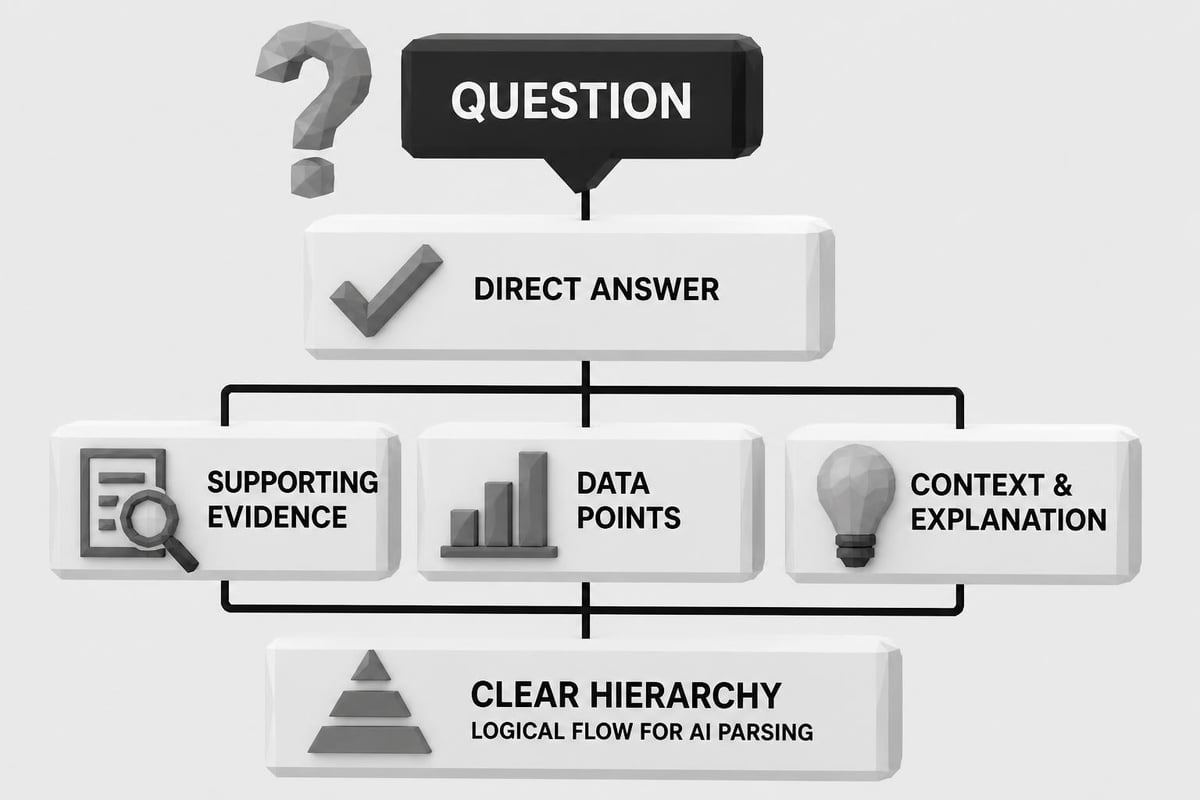
The way you structure content significantly impacts perplexity SEO performance. AI algorithms parse content more effectively when information follows logical hierarchies and clear formatting conventions.
Content should answer specific questions directly and comprehensively. The strategies for ranking on Perplexity emphasize natural, question-based content that addresses user intent immediately without forcing readers to dig through unnecessary preambles.
Optimizing Content for Perplexity Citations
Creating content that earns citations in Perplexity's AI-generated responses requires strategic planning and execution. The goal shifts from ranking for keywords to becoming the definitive source for specific topics.
Implementing Question-Based Content Strategy
Users interact with Perplexity by asking questions in natural language. Your content should mirror this conversational approach while providing authoritative answers.
Start each major section by addressing a specific question your target audience asks. Use heading structures (H2, H3) that frame topics as questions or direct statements. This approach aligns with how Perplexity's algorithms scan for relevant information.
The platform analyzes semantic relationships between queries and content. Rather than keyword stuffing, focus on comprehensive topic coverage that addresses related questions and subtopics naturally.
Leveraging Structured Data and Schema Markup
Technical implementation plays a crucial role in perplexity SEO success. Structured data helps AI algorithms understand your content's context, purpose, and credibility.
Essential schema types for Perplexity optimization:
- Article schema with publication and modification dates
- Author schema demonstrating expertise and credentials
- FAQ schema for question-answer content
- HowTo schema for instructional content
- Organization schema for brand authority
These technical elements don't just help Perplexity understand your content better-they also signal professionalism and attention to detail that contributes to overall authority scores.
Maintaining Source Quality and Citation Practices
Perplexity values content that cites its own sources transparently. Including references to authoritative studies, statistics, and expert opinions strengthens your content's credibility and makes it more likely to be cited in return.
When you reference external sources, link to the original research or authoritative articles. This practice demonstrates thoroughness and helps establish your content as a reliable hub of information rather than an isolated opinion piece.
Advanced Perplexity SEO Tactics for 2026
As perplexity SEO matures, sophisticated tactics emerge that separate leaders from followers. These advanced strategies require deeper understanding of AI search mechanics and content optimization.
Optimizing for Multi-Source Citations
Perplexity often cites multiple sources when generating comprehensive answers. Position your content to complement rather than compete with other authoritative sources. Cover unique angles, provide exclusive data, or offer fresh perspectives that add value to the conversation.
According to detailed analysis of Perplexity's citation process, the engine's transparency and fast indexing capabilities mean that new, high-quality content can earn citations quickly if it fills information gaps.
The approach requires understanding what existing sources cover and identifying opportunities to contribute unique value. This might involve:
- Conducting original research or surveys
- Providing case studies with specific metrics
- Offering expert analysis on industry trends
- Creating detailed how-to guides with actionable steps
- Developing comprehensive comparison resources
Leveraging Perplexity Pages for SEO Gains
Perplexity introduced a "Pages" feature that allows users to create and share curated content collections. Smart SEO professionals are using this feature to boost their visibility and drive traffic to their primary websites.
As demonstrated in practical guides to using Perplexity Pages, you can create optimized pages around specific topics, then link back to your comprehensive resources. This strategy builds topical authority while generating referral traffic.
| Strategy | Implementation | Expected Benefit |
|---|---|---|
| Topic Clusters | Create Pages for subtopics linking to main content | Increased topical authority |
| Question Hubs | Build FAQ-style Pages with detailed answers | Higher citation rate |
| Resource Collections | Curate best resources including your content | Brand positioning |
| Update Campaigns | Regularly refresh Pages with new information | Sustained visibility |
Monitoring and Measuring Perplexity SEO Performance
Traditional analytics tools don't capture citations in AI-generated responses. You need alternative methods to track perplexity SEO success.
Key performance indicators for perplexity SEO:
- Citation frequency in Perplexity responses
- Direct traffic from Perplexity.ai domain
- Brand mention volume in AI-generated content
- Referral patterns from Perplexity Pages
- Competitive citation share for target topics

Regular manual testing provides valuable insights. Search for your target questions in Perplexity and document which sources get cited. This competitive intelligence reveals gaps in your content strategy and opportunities for improvement.
Content Creation Strategies for Perplexity SEO Success
Producing content optimized for perplexity SEO requires balancing AI-friendliness with genuine value for human readers. The content must satisfy both audiences simultaneously.
Writing for AI Parsing and Human Engagement
Perplexity's algorithms analyze content differently than human readers, but the best approach serves both. Use clear, descriptive language that leaves no room for ambiguity. AI systems struggle with sarcasm, metaphor, and complex literary devices that humans navigate easily.
Structure paragraphs around single ideas. Start with the main point, then provide supporting details. This pyramid structure helps AI algorithms identify key information quickly while maintaining readability for humans.
The intersection of AI and SEO strategies reveals that content clarity benefits both traditional rankings and AI citations. Platforms like RankPill automate this balance by generating content that satisfies both algorithmic requirements and user expectations, creating SEO-optimized articles that rank well across both traditional search engines and AI-powered platforms like Perplexity.
Developing Comprehensive Topic Coverage
Shallow content rarely earns citations in Perplexity responses. The platform favors comprehensive resources that thoroughly address topics from multiple angles.
Elements of comprehensive topic coverage:
- Define core concepts and terminology clearly
- Address common questions and misconceptions
- Provide actionable steps or recommendations
- Include relevant data, statistics, and research
- Cover edge cases and special considerations
- Link to related subtopics for deeper exploration
This depth signals expertise and makes your content a go-to resource for AI engines seeking authoritative information. The approach aligns with generative engine optimization principles that prioritize comprehensive value over keyword density.
Maintaining Content Velocity Without Sacrificing Quality
Perplexity's preference for fresh content creates pressure to publish frequently. However, low-quality content published often undermines authority more than infrequent high-quality publications.
For businesses creating digital products and content at scale, learning to streamline content creation workflows can help maintain quality while increasing output. The key is developing systems that support consistent production without compromising editorial standards.
Automation tools can handle routine aspects of content creation, freeing human experts to focus on insight, analysis, and original perspectives that AI engines value most highly.
Perplexity SEO for Different Business Types
Different business models require tailored perplexity SEO approaches. The tactics that work for e-commerce differ significantly from those effective for service businesses or content publishers.
Service-Based Businesses and Local SEO
Service businesses benefit from perplexity SEO by positioning themselves as local authorities. When users ask location-specific questions, Perplexity considers geographic relevance alongside traditional authority signals.
Create content that addresses common service questions with local context. Instead of generic "how to choose a contractor" content, publish "how to choose a contractor in [city] considering local building codes and climate factors."
This localized approach works across industries, from SEO for yoga studios to professional services. The key is combining topical expertise with geographic specificity.
E-Commerce and Product Information
E-commerce businesses should optimize product information, buying guides, and comparison content for perplexity SEO. When users ask product-related questions, detailed specifications, honest comparisons, and clear buying advice earn citations.
| Content Type | Perplexity SEO Focus | Implementation Tips |
|---|---|---|
| Product Specs | Complete, accurate details | Use structured data, tables |
| Buying Guides | Objective comparisons | Include pros/cons, use cases |
| How-To Content | Step-by-step clarity | Numbered lists, visual aids |
| Reviews | Honest, detailed analysis | Specific examples, measurements |
Content Publishers and Authority Building
Content publishers and media companies naturally align with perplexity SEO principles. Your existing content likely addresses user questions directly, requiring mostly technical optimization rather than strategic overhaul.
Focus on updating older content with fresh information and better structure. Add publication dates, refresh statistics, and incorporate recent developments into existing articles. This refresh strategy often outperforms creating entirely new content for established topics.
The technical implementation of AI search optimization provides detailed guidance on structural improvements that boost citation frequency without requiring content rewrites.
Future-Proofing Your Perplexity SEO Strategy
The AI search landscape continues evolving rapidly. Strategies that work today may require adjustment as Perplexity and similar platforms refine their algorithms and user experiences.
Adapting to Algorithm Changes
Perplexity updates its ranking factors and citation logic regularly. Building a flexible content strategy that emphasizes fundamental quality over algorithmic manipulation ensures long-term success.
Focus on creating genuinely useful resources that deserve citations regardless of specific ranking factors. When algorithms change, high-quality content maintains visibility while tactics-driven content loses position.
Stay informed about platform updates through official announcements and industry analysis. Resources like expert perspectives on Perplexity's evolution provide valuable insights into where AI search is heading.
Building Sustainable Content Systems
Rather than manual content creation for every topic, develop systems that scale with your needs. This might involve content templates, research workflows, or automation tools that maintain quality standards while increasing output.
The goal is creating a sustainable content engine that can publish fresh, authoritative content consistently. One-off content bursts followed by months of silence won't build the sustained authority that perplexity SEO requires.
Integrating Perplexity SEO with Broader Strategy
Perplexity SEO shouldn't exist in isolation from your overall digital marketing strategy. The same content that earns Perplexity citations should also rank in Google, engage social media audiences, and support your broader business objectives.
Integration opportunities include:
- Repurposing Perplexity-optimized content for traditional SEO
- Using citation-worthy content in email marketing and newsletters
- Converting comprehensive articles into video scripts or podcast episodes
- Building internal linking structures that serve both human navigation and AI parsing
- Developing topic clusters that establish authority across multiple search platforms
This integrated approach maximizes return on content investment while building authority across multiple channels simultaneously. The comprehensive nature of perplexity SEO optimization often improves content performance in traditional channels as well.
Mastering perplexity SEO positions your business at the forefront of AI-driven search, ensuring visibility as user behavior shifts toward conversational AI platforms. By focusing on fresh, authoritative content with clear structure and comprehensive topic coverage, you can earn valuable citations that drive qualified traffic. RankPill automates this entire process, conducting keyword research, creating optimized long-form content, and publishing consistently to build the sustained authority that perplexity SEO demands, helping you dominate both traditional and AI-powered search results without the manual effort.
Unlock Traffic on Autopilot
Grow organic traffic on autopilot. RankPill will research, write, optimize, and publish articles to your website daily.