
Plug In SEO Shopify: Complete Guide for 2026

Modest Mitkus
March 26, 2026
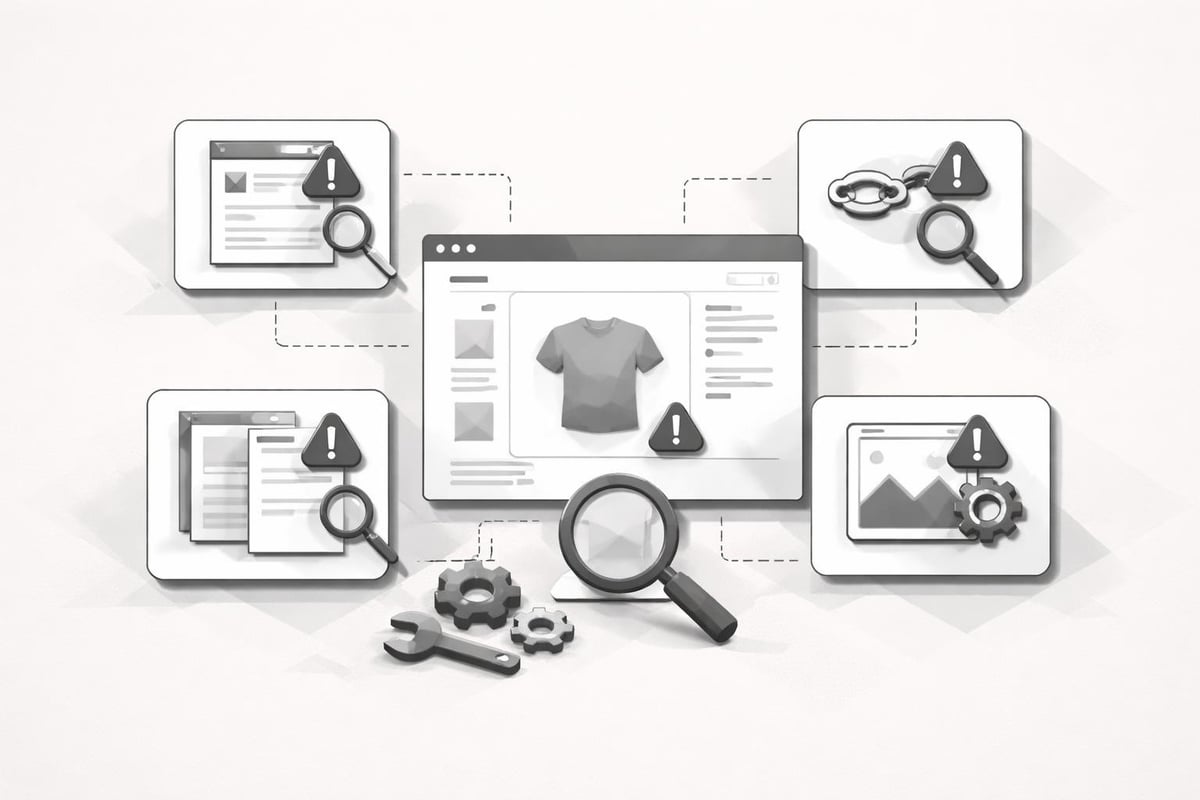
Shopify store owners face unique SEO challenges that can prevent their products from appearing in search results. While Shopify provides a solid foundation for e-commerce, optimizing individual pages, fixing technical errors, and maintaining SEO best practices requires dedicated attention. This is where specialized tools like plug in SEO Shopify solutions become essential. These applications scan your store, identify optimization opportunities, and provide actionable recommendations that help you rank higher in Google and drive more organic traffic to your products.
Understanding Plug In SEO for Shopify Stores
Plug In SEO represents a category of Shopify applications designed to automate the technical aspects of search engine optimization. Rather than manually auditing hundreds of product pages, collections, and blog posts, these tools continuously monitor your store for common SEO issues.
The official Shopify App Store listing for Plug In SEO shows how these applications have become essential for merchants who lack dedicated SEO expertise. They bridge the gap between Shopify's built-in features and the comprehensive optimization required to compete in search results.
Core Features of SEO Plugins
Most plug in SEO Shopify applications share several fundamental capabilities that address the most common optimization challenges:
- Automated site scans that check every page for technical issues
- Meta tag analysis to ensure titles and descriptions meet best practices
- Image optimization checks including alt text verification
- Broken link detection to maintain site health
- Page speed monitoring to identify performance bottlenecks
- Structured data validation for rich snippets in search results
These features work together to create a comprehensive SEO monitoring system. Rather than relying on manual checks or expensive audits, store owners receive continuous feedback about their optimization status.
Technical SEO Challenges Specific to Shopify
Shopify's architecture creates unique optimization considerations that differ from traditional websites. Understanding these challenges helps explain why dedicated plug in SEO Shopify tools have become so popular.
Theme-Level Limitations
Shopify themes control much of your site's structure, and not all themes are created equal from an SEO perspective. Some themes generate duplicate content, create poor URL structures, or lack proper heading hierarchy. A quality SEO plugin identifies these theme-related issues before they impact your rankings.
The platform's liquid templating system also means that changes to one section can affect multiple pages simultaneously. This makes automated monitoring crucial, as a single theme update could introduce SEO problems across your entire store.
Dynamic Content Complications
E-commerce sites constantly change as products are added, removed, or go out of stock. Each change creates potential SEO implications:
| Issue Type | SEO Impact | Detection Method |
|---|---|---|
| Out of stock products | Potential 404 errors if deleted | Automated link scanning |
| Duplicate product descriptions | Cannibalization and penalties | Content uniqueness analysis |
| Missing variant descriptions | Lost long-tail opportunities | Meta tag completeness checks |
| Orphaned collection pages | Wasted crawl budget | Internal link structure mapping |
According to insights from SaaS analytics platforms, stores using automated SEO monitoring catch these issues 73% faster than manual auditing processes.
How to Implement Plug In SEO Shopify Solutions
Installation represents just the first step in optimizing your Shopify store. Proper implementation requires strategic planning and ongoing attention to the recommendations these tools provide.
Initial Setup and Baseline Assessment
When you first install a plug in SEO Shopify application, it performs a comprehensive scan of your existing store. This baseline assessment typically reveals:
- Critical errors requiring immediate attention
- Warning-level issues that should be addressed soon
- Optimization opportunities for long-term improvement
- Positive confirmations of what's already working well
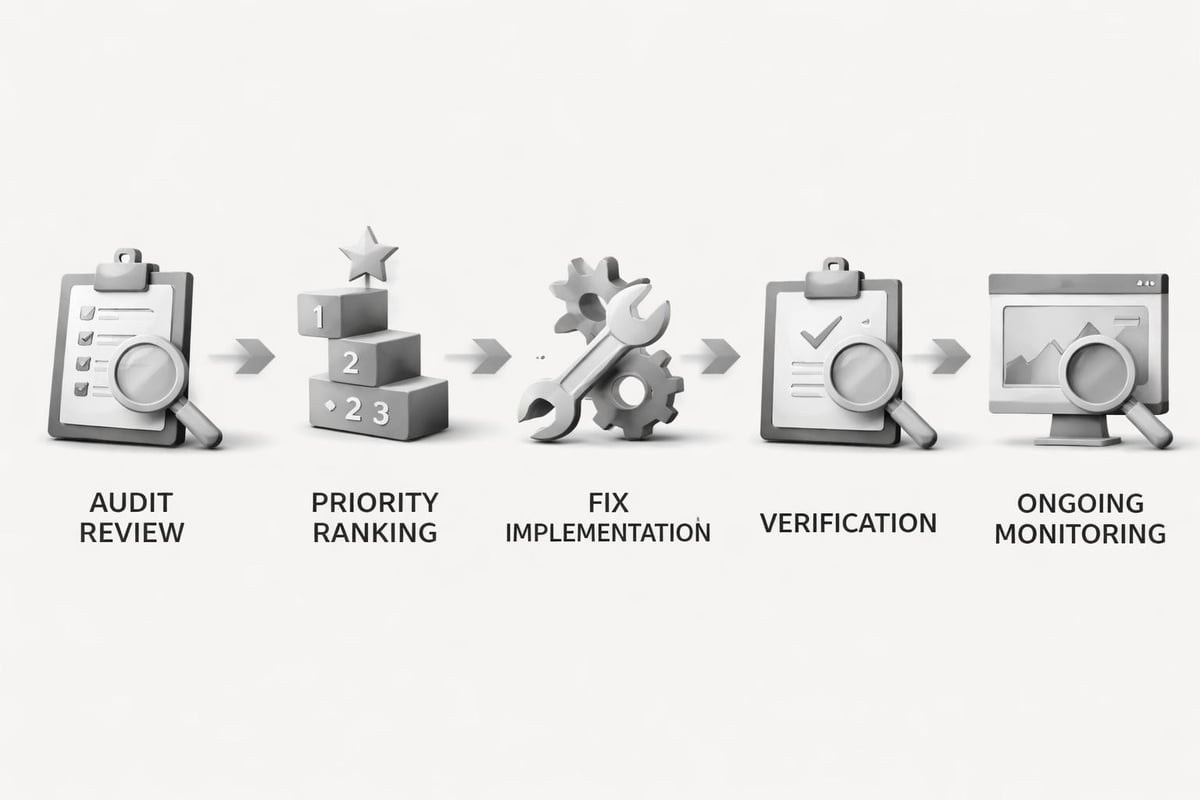
The key is prioritizing these findings based on potential impact. Critical errors affecting indexability should be fixed immediately, while minor optimizations can be scheduled over time.
Fixing Common Issues Identified by SEO Plugins
Most plug in SEO Shopify tools highlight recurring problems that affect multiple Shopify stores. Understanding how to address these systematically saves time and improves results.
Missing or duplicate meta descriptions often top the list of issues. These descriptions don't directly impact rankings, but they significantly influence click-through rates from search results. The plugin identifies which pages lack descriptions, allowing you to create compelling summaries that encourage clicks.
Image alt text deficiencies represent another common finding. Beyond accessibility requirements, alt text helps search engines understand your product images. For e-commerce stores, this is especially important as image search drives substantial traffic. The plugin shows exactly which images need descriptive alt text.
Broken internal and external links damage both user experience and SEO. When a plug in SEO Shopify tool identifies these, prioritize fixing internal links first, as they're entirely within your control and affect how search engines crawl your site.
Advanced Optimization Strategies
Beyond fixing basic technical issues, sophisticated use of plug in SEO Shopify tools enables competitive advantages in search rankings.
Structured Data Implementation
Schema markup helps search engines understand your product information and can trigger rich results in search listings. Quality SEO plugins verify that your structured data:
- Follows current schema.org specifications
- Includes all required properties for your product type
- Avoids conflicts with Shopify's default markup
- Validates correctly in Google's testing tools
This structured approach to product data becomes increasingly important as search engines evolve. Tools for optimizing AI SEO emphasize how structured data helps AI systems understand and recommend your products.
Content Quality Monitoring
While plug in SEO Shopify applications excel at technical optimization, content quality remains crucial. Advanced implementations combine technical monitoring with content strategy:
- Keyword targeting verification ensures each page focuses on specific search terms
- Content length analysis identifies thin pages that need expansion
- Readability scoring helps maintain accessible product descriptions
- Uniqueness checking prevents duplicate content penalties
For businesses managing large product catalogs, automated content creation tools can complement SEO plugins. AI SEO platforms can generate optimized product descriptions at scale while maintaining the uniqueness that search engines reward.
Measuring ROI from SEO Plugin Implementation
Investing in plug in SEO Shopify tools requires justification through measurable results. Tracking the right metrics demonstrates value and guides ongoing optimization efforts.
Key Performance Indicators
Effective measurement focuses on metrics directly influenced by technical SEO improvements:
- Organic traffic growth measured month-over-month
- Indexed page count showing search engine discovery
- Average position for target keywords across products
- Click-through rate from search results to store pages
- Crawl error reduction indicating technical health improvement
Detailed analysis from app review platforms shows stores typically see 15-30% organic traffic increases within three months of implementing comprehensive SEO fixes.
Attribution and Timeline Considerations
SEO improvements rarely produce immediate results. Search engines need time to recrawl your site, reassess your pages, and adjust rankings accordingly. Setting realistic expectations prevents premature abandonment of effective strategies.
| Timeframe | Expected Results | Measurement Focus |
|---|---|---|
| Week 1-2 | Technical issues identified and prioritized | Error count reduction |
| Month 1 | Critical fixes implemented, recrawl requested | Indexation improvements |
| Month 2-3 | Rankings begin shifting for fixed pages | Position tracking |
| Month 4-6 | Traffic increases become measurable | Organic sessions and revenue |
This timeline assumes consistent implementation of recommendations. Stores that fix issues sporadically or ignore plugin notifications see significantly delayed results.
Integration with Broader SEO Strategy
Plug in SEO Shopify applications work best as part of a comprehensive optimization approach rather than standalone solutions.
Combining Technical and Content Optimization
Technical fixes ensure search engines can access and understand your pages, but compelling content converts visitors into customers. This dual focus requires:
Technical foundation: Your SEO plugin maintains site health, fixes errors, and ensures proper structure.
Content excellence: High-quality product descriptions, buying guides, and collection pages provide value that earns rankings and conversions.
Many successful Shopify merchants use automated SEO tools to maintain both aspects efficiently. RankPill offers an AI-powered solution that automatically researches keywords, writes optimized content, and publishes 24/7, targeting both traditional Google search and AI platforms like ChatGPT. At $99/month for 30 articles, it provides a cost-effective alternative to the $5,000+ agencies typically charge, while integrating seamlessly with Shopify stores.
Link Building and Authority Development
While plug in SEO Shopify tools excel at on-page optimization, they don't directly build the external links that significantly influence rankings. Successful stores complement technical optimization with authority-building activities:
- Guest posting on industry blogs
- Product reviews and influencer partnerships
- Digital PR campaigns generating natural links
- Supplier and manufacturer relationship leveraging
- Community engagement and forum participation
Strategies for building backlinks complement the technical foundation your SEO plugin maintains. Together, these efforts create sustainable ranking improvements.
Choosing the Right SEO Plugin for Your Store
Not all plug in SEO Shopify applications offer identical features or value. Selecting the right tool requires evaluating your specific needs and constraints.
Feature Comparison Considerations
When evaluating options, consider which capabilities matter most for your store's current stage:
- Store size: Larger catalogs need more robust scanning capabilities
- Technical expertise: Less experienced users benefit from clearer explanations
- Budget: Pricing varies from free basic plans to premium subscriptions
- Support requirements: Consider availability of help documentation and direct assistance
Comprehensive reviews on platforms like PickYourApp provide detailed feature comparisons and user feedback to inform your decision.
Free vs. Paid Plans
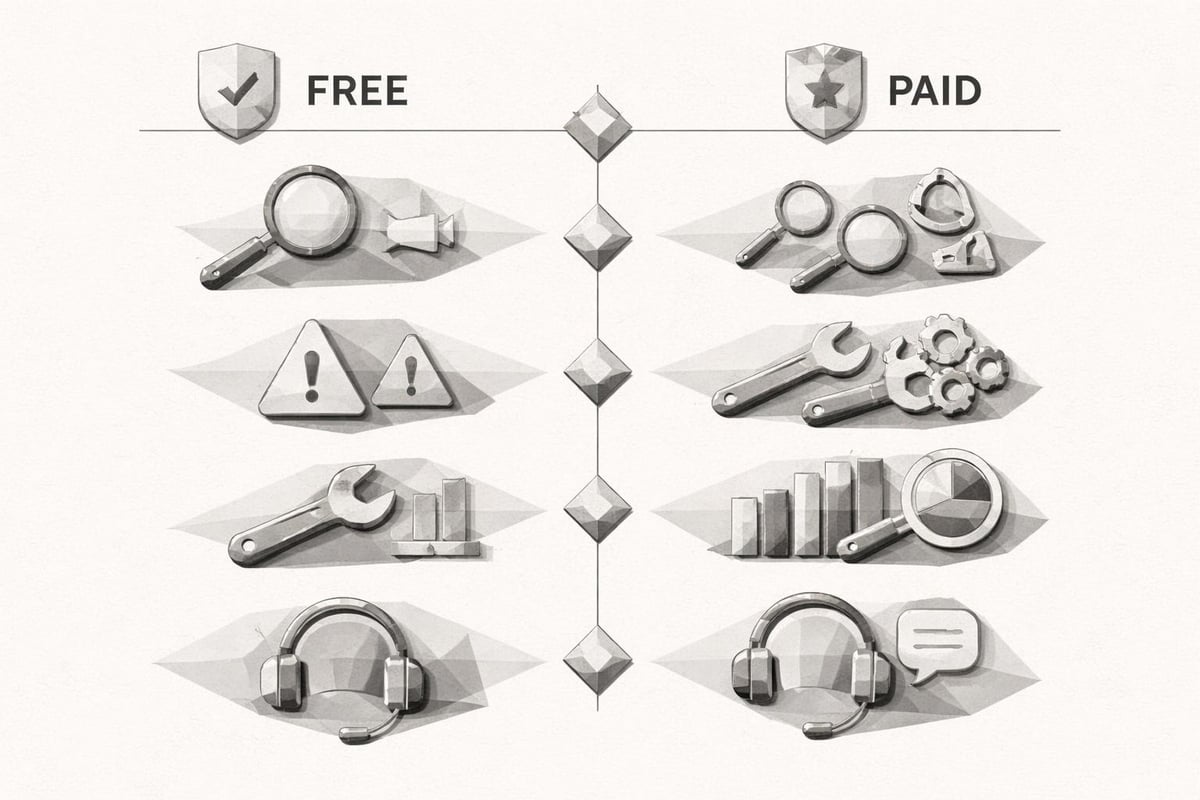
Many plug in SEO Shopify applications offer both free and paid tiers. Understanding what each provides helps determine whether upgrading makes sense:
Free plans typically include:
- Basic site scans with limited frequency
- Core issue detection for major problems
- Email alerts for critical errors
- Manual fix implementation
Paid plans usually add:
- More frequent automated scans
- Advanced features like competitor analysis
- Priority support and consultation
- Automatic fix application for some issues
- More detailed reporting and tracking
For stores just starting with SEO, free plans often provide sufficient value to make meaningful improvements. As traffic and revenue grow, paid features become increasingly worthwhile.
Common Mistakes to Avoid
Even with powerful plug in SEO Shopify tools, certain missteps can undermine your optimization efforts.
Ignoring Plugin Recommendations
The most common mistake is installing an SEO plugin, reviewing the initial scan, then never implementing the recommended fixes. These tools provide value only when you act on their findings.
Set a regular schedule-weekly or biweekly-to review new issues and address high-priority items. This consistent attention compounds over time, gradually improving your store's search visibility.
Over-Optimizing Based on Automated Suggestions
Conversely, blindly following every suggestion without understanding context can create problems. Not every "warning" in your SEO plugin necessarily requires immediate action or represents a critical flaw.
For example, some plugins flag short meta descriptions as issues, but extremely concise descriptions sometimes perform better than longer alternatives. Use plugin recommendations as starting points for investigation rather than absolute directives.
Neglecting Mobile Optimization
Many plug in SEO Shopify tools focus primarily on desktop site analysis, but mobile search now dominates e-commerce traffic. Ensure your optimization efforts address mobile-specific concerns:
- Touch-friendly navigation and buttons
- Fast loading on cellular connections
- Readable text without zooming
- Appropriately sized tap targets
Resources from Common Ninja highlight how comprehensive SEO requires attention to both desktop and mobile experiences.
Future Trends in Shopify SEO Automation
The landscape of plug in SEO Shopify tools continues evolving as search engines and e-commerce best practices advance.
AI-Powered Recommendations
Next-generation SEO plugins increasingly incorporate artificial intelligence to provide more sophisticated guidance. Rather than simply identifying missing meta descriptions, these tools suggest specific descriptions based on product content and search intent.
This shift toward AI-driven SEO optimization makes optimization more accessible to merchants without extensive SEO knowledge. The tools don't just point out problems-they propose solutions.
Integration with Search Console and Analytics
Modern plug in SEO Shopify applications are moving beyond standalone functionality toward integration with broader data sources. By connecting with Google Search Console, these tools:
- Show which keywords already drive traffic to specific products
- Identify ranking opportunities for pages performing well
- Track position changes over time for target terms
- Correlate technical fixes with measurable ranking improvements
This integrated approach provides clearer ROI evidence and helps prioritize optimization efforts based on actual search performance rather than theoretical best practices.
Voice Search and Visual Search Optimization
Emerging search modalities create new optimization requirements that forward-thinking plugins are beginning to address. Voice search optimization requires different keyword strategies, focusing on natural language queries and question-based searches.
Visual search capabilities from Google Lens and similar technologies emphasize the importance of high-quality product images with detailed, accurate alt text-an area where plug in SEO Shopify tools provide valuable auditing.
Maintenance and Ongoing Optimization
SEO isn't a one-time project but an ongoing process requiring consistent attention and adaptation.
Establishing Review Routines
Successful Shopify merchants build regular SEO review sessions into their operational calendars. These sessions might include:
- Weekly quick checks: Review new critical errors flagged by your plugin
- Monthly deep reviews: Analyze trends in issues, assess progress toward goals
- Quarterly strategy sessions: Adjust focus areas based on results and market changes
- Annual comprehensive audits: Consider whether your current tools still meet evolving needs
This structured approach ensures SEO receives consistent attention despite competing priorities in running an e-commerce business.
Staying Current with Platform Changes
Both Shopify and search engines regularly update their systems, creating new optimization considerations. Quality plug in SEO Shopify tools update their checking algorithms to reflect these changes, but you should also:
- Monitor Shopify's changelog for theme and platform updates
- Follow Google's search algorithm announcements
- Review your plugin's update notes when new versions release
- Participate in Shopify merchant communities discussing SEO
Information from Growave's app analysis demonstrates how staying informed about platform changes helps merchants adapt their strategies proactively rather than reactively fixing problems.
Implementing plug in SEO Shopify solutions provides the technical foundation necessary for search visibility, but sustained success requires combining automated monitoring with strategic content creation and ongoing optimization. If you're ready to scale your SEO efforts beyond technical fixes and generate consistent, optimized content that drives organic traffic, RankPill automates the entire content creation process with AI-powered keyword research, article writing, and publishing-helping you build the comprehensive SEO presence that turns search visitors into customers.