
Shopify Blog Strategy: Drive Traffic and Sales in 2026

Modest Mitkus
May 9, 2026
Building a successful e-commerce store requires more than just product listings and checkout pages. A well-executed shopify blog strategy transforms your online store into a content-driven traffic engine, attracting potential customers long before they're ready to buy. In 2026, Shopify merchants who leverage strategic blogging consistently outperform competitors by capturing organic search traffic, building brand authority, and nurturing customer relationships. This comprehensive guide reveals how to develop a shopify blog strategy that drives measurable results for your business.
Understanding the Foundation of Shopify Blog Strategy
Every successful shopify blog strategy begins with a clear understanding of your target audience and their search intent. Unlike traditional blogging platforms, Shopify blogs serve a dual purpose: educating potential customers while guiding them toward purchase decisions. This unique positioning requires a strategic approach that balances informational content with commercial intent.
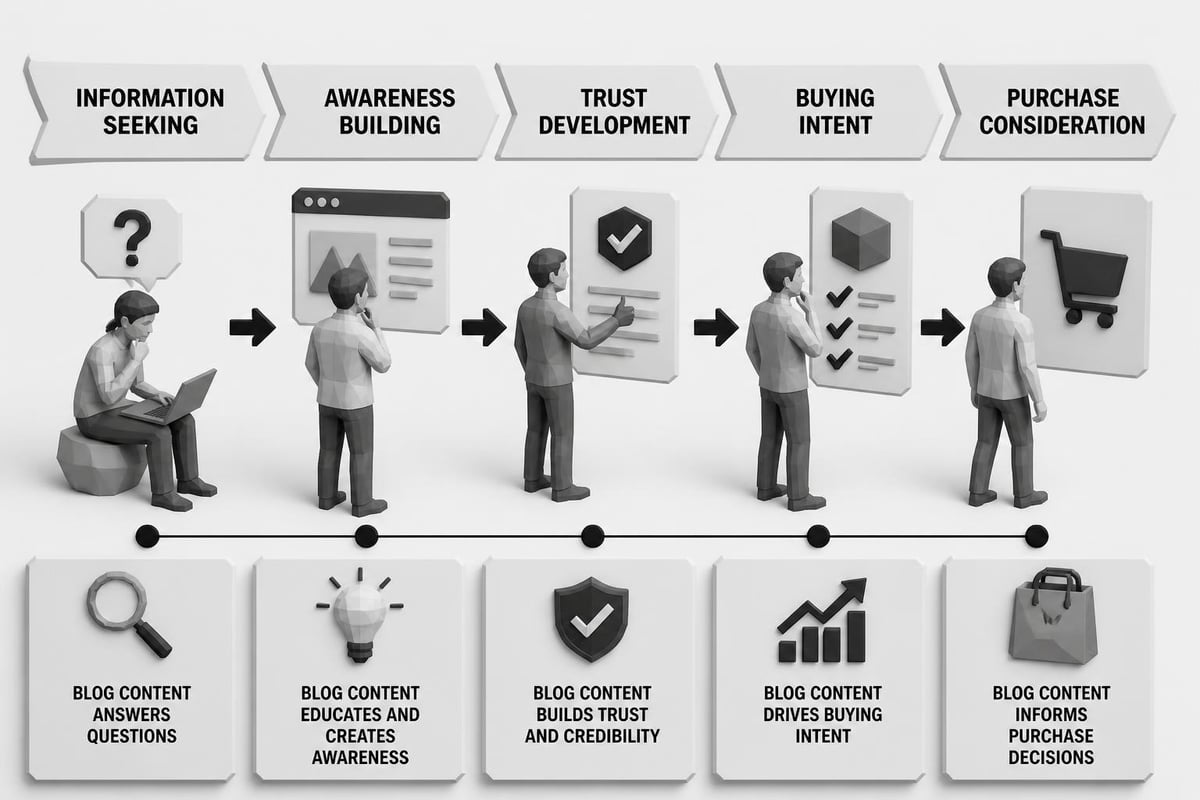
Your blog becomes the bridge between discovery and conversion. When potential customers search for solutions related to your products, your blog content should appear in search results, offering valuable insights while subtly positioning your products as the solution. This approach builds trust and authority before visitors ever see your product pages.
Defining Your Content Pillars
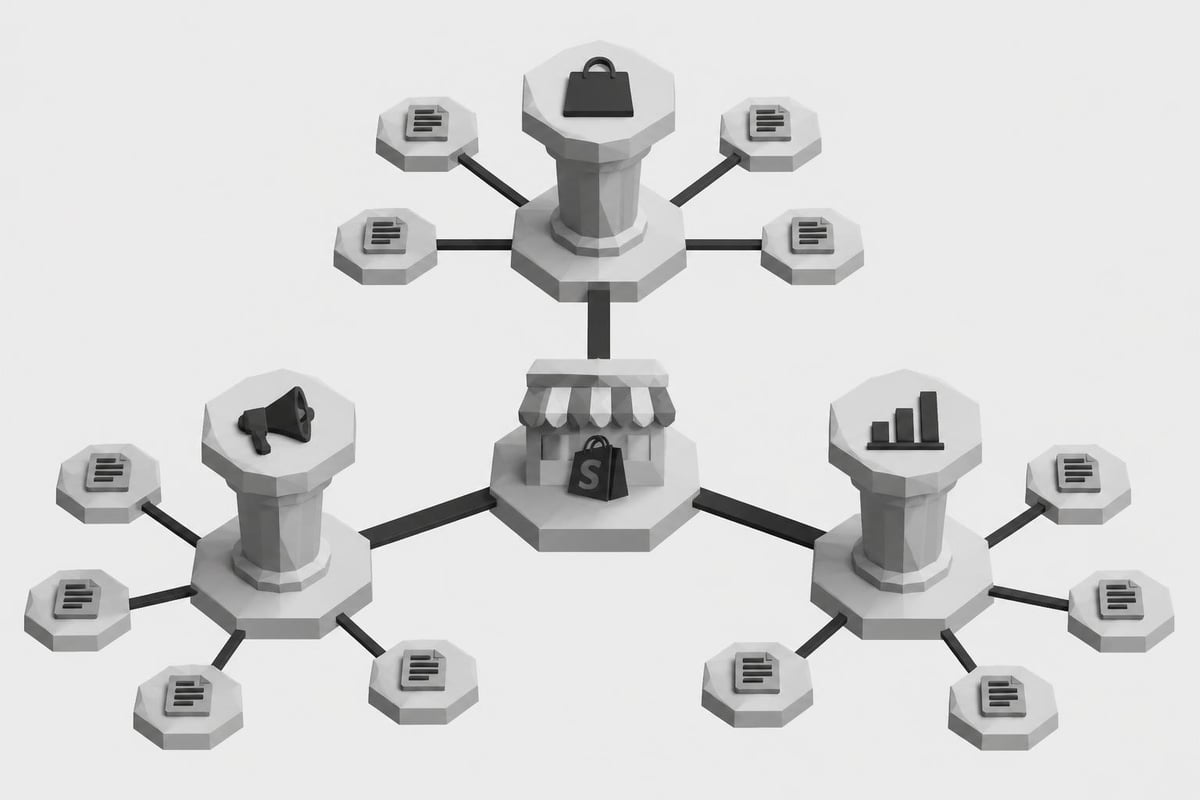
Content pillars form the structural foundation of your shopify blog strategy. These are broad topics that align with your products, industry expertise, and customer pain points. Each pillar should support multiple subtopics, creating a comprehensive content ecosystem.
Consider these elements when establishing content pillars:
- Product education: How-to guides, tutorials, and usage tips
- Industry insights: Trends, news, and expert perspectives
- Customer challenges: Problem-solving content addressing common pain points
- Lifestyle alignment: Content connecting your products to customer aspirations
- Buying guides: Decision-making frameworks for potential purchasers
The pillar-cluster content strategy creates a hierarchical structure where comprehensive pillar pages link to focused cluster articles, signaling topical authority to search engines. This architectural approach amplifies your SEO performance while providing readers with organized, accessible information.
Keyword Research and Topic Selection
Keyword research drives every aspect of an effective shopify blog strategy. Without data-backed topic selection, your content efforts become guesswork rather than strategic investment. The right keywords reveal exactly what your potential customers search for, their intent, and the competitive landscape.
Start by identifying informational keywords related to your product category. These typically include phrases like "how to," "best ways to," "tips for," and "guide to." Tools like AI-powered keyword research platforms accelerate this process by analyzing competitor strategies and identifying content gaps in your market.
Balancing Search Volume and Competition
| Keyword Type | Search Volume | Competition | Conversion Potential | Priority Level |
|---|---|---|---|---|
| High-volume commercial | 10,000+ | High | High | Medium |
| Mid-volume informational | 1,000-10,000 | Medium | Medium | High |
| Long-tail specific | 100-1,000 | Low | High | Very High |
| Brand + problem | Varies | Low | Very High | Very High |
Long-tail keywords deserve special attention in your shopify blog strategy. While individual search volumes appear modest, collectively they generate substantial traffic with higher conversion rates. Phrases like "waterproof hiking boots for wide feet" or "vegan leather bags that last" attract highly qualified visitors actively seeking specific solutions.
Your keyword strategy should also incorporate seasonal patterns and trending topics relevant to your niche. Monitor search trends quarterly to identify emerging opportunities before competitors saturate these spaces. Understanding how AI impacts search optimization helps you anticipate algorithm changes and adjust your approach accordingly.
Creating a Content Calendar That Converts
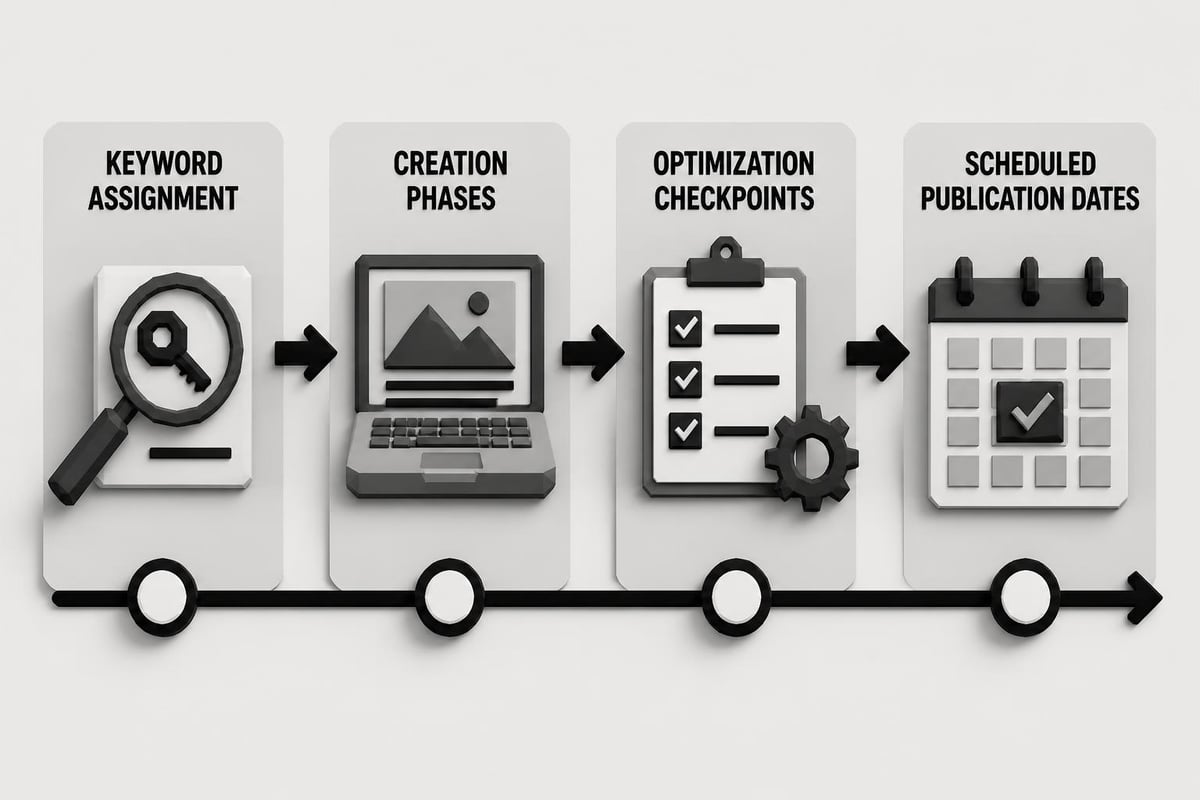
A structured content calendar transforms random posting into a strategic shopify blog strategy. Consistency matters more than frequency-publishing quality content on a predictable schedule outperforms sporadic bursts of activity. Your calendar should balance evergreen content with timely, seasonal pieces.
Plan content 90 days in advance, allowing time for research, creation, optimization, and promotion. This forward-thinking approach prevents last-minute scrambling and ensures your blog maintains momentum even during busy periods. Building a content calendar with AI-powered optimization tools streamlines this planning process while identifying optimal publishing times.
Content Calendar Components
- Publication dates: Specific days and times for maximum audience reach
- Topic assignments: Clear article titles and keyword targets
- Content types: Mix of formats including guides, lists, case studies, and opinion pieces
- Seasonal alignment: Holiday content, industry events, and trending topics
- Internal linking opportunities: Strategic connections between related articles
- Promotion channels: Distribution plan for each published piece
Effective content calendars incorporate content clusters-groups of related articles published over consecutive weeks. This approach builds topical depth quickly, signaling subject matter expertise to search engines while keeping readers engaged across multiple sessions.
Optimizing Shopify Blog Posts for SEO
Technical optimization separates average blog posts from traffic-driving assets. Your shopify blog strategy must incorporate on-page SEO best practices to maximize visibility in search results. While Shopify's blogging capabilities have limitations compared to dedicated platforms, strategic optimization overcomes these constraints.
Title tags should incorporate your target keyword naturally while remaining compelling to human readers. Keep titles under 60 characters to prevent truncation in search results. Meta descriptions, though not directly ranking factors, influence click-through rates significantly-craft them as persuasive micro-sales messages that promise value.
Essential On-Page Elements
- Header hierarchy: Proper H2 and H3 structure organizing content logically
- Keyword placement: Natural incorporation in first paragraph, headers, and throughout body
- Image optimization: Descriptive file names, alt text, and compressed file sizes
- Internal linking: Strategic connections to product pages and related blog content
- External authority links: References to credible sources supporting your claims
- URL structure: Clean, keyword-rich permalinks
- Mobile responsiveness: Seamless experience across all devices
Internal linking deserves particular attention in your shopify blog strategy. Each blog post should link to 3-5 related articles and relevant product pages. This creates pathways for readers to explore your content ecosystem while distributing link equity throughout your site. Strategic internal linking strategies improve both user experience and search engine crawlability.
Many Shopify merchants overlook the importance of content quality for SEO, focusing solely on keyword density rather than comprehensive topic coverage. Search engines in 2026 prioritize depth, originality, and user satisfaction over mechanical optimization tactics.
Content Creation and Production Workflow
Efficient content production transforms your shopify blog strategy from concept to consistent execution. Workflow optimization ensures sustainable content creation without overwhelming your team or budget. The key lies in systematizing repeatable processes while maintaining quality standards.
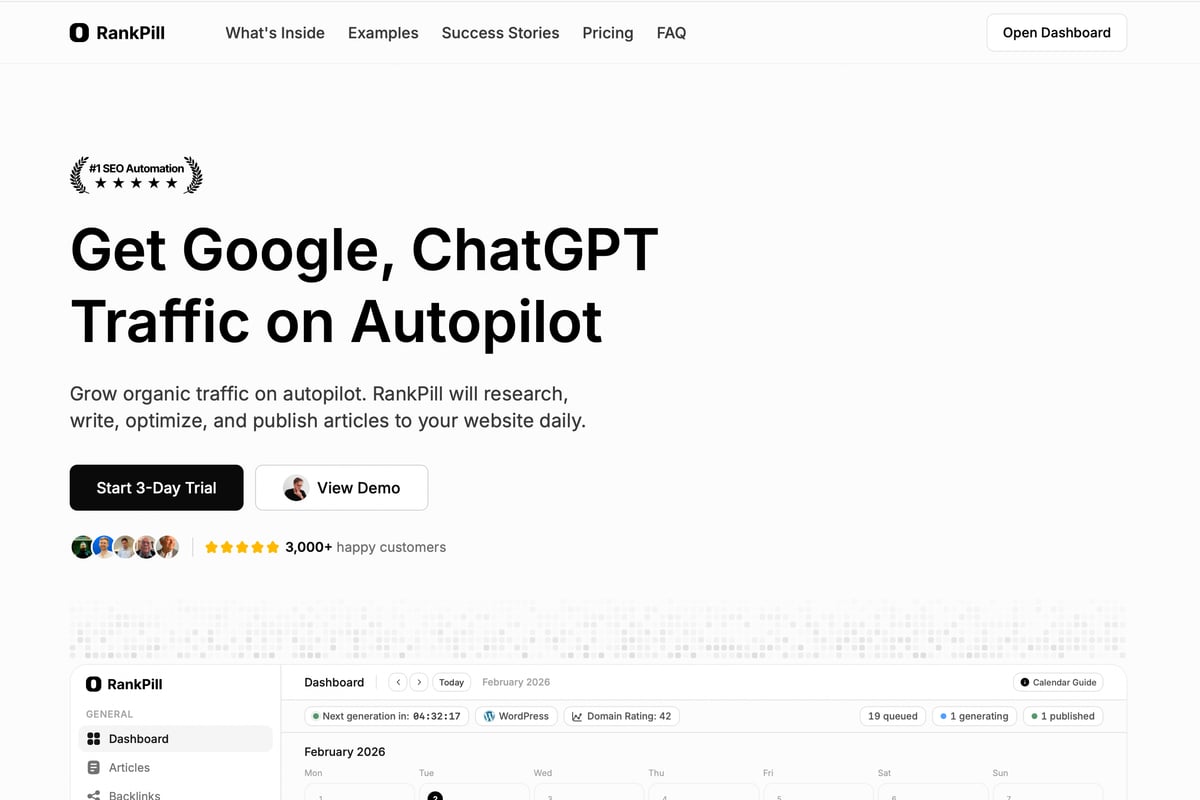
For many e-commerce businesses, maintaining a robust publishing schedule challenges limited resources. This is where automation platforms become valuable assets. RankPill streamlines content creation by automatically researching keywords, writing optimized articles, and publishing them on schedule-enabling Shopify merchants to maintain consistent blog output at just $3 per article compared to $5,000+ agency costs.
Streamlined Production Process
- Research phase: Keyword analysis, competitor review, and outline creation
- First draft: Initial content creation following SEO guidelines
- Enhancement: Adding examples, data, quotes, and multimedia elements
- Optimization: Technical SEO refinement and quality assurance
- Visual integration: Custom images, screenshots, and diagrams
- Publishing: Scheduled release with metadata and category assignment
- Promotion: Distribution across email, social, and other channels
Batch processing accelerates production efficiency. Rather than completing one article from start to finish, dedicate specific time blocks to similar tasks across multiple articles. Research five topics together, outline them consecutively, then write drafts in sequence. This approach reduces context-switching overhead while maintaining creative momentum.
Quality control checkpoints prevent substandard content from reaching your audience. Every article should pass readability tests, fact-checking verification, and brand voice alignment before publication. Establishing clear quality standards protects your reputation and maintains reader trust.
Conversion Optimization Within Blog Content
Your shopify blog strategy should generate traffic that converts into customers, not just pageviews. Strategic call-to-action placement guides readers from information consumption to purchase consideration. The most effective blog-to-sale conversions happen subtly, respecting the reader's journey stage while presenting relevant opportunities.
Product mentions should emerge naturally from content context rather than forced insertions. When discussing solutions to problems, reference your products as examples or recommendations supported by features and benefits. This educational approach builds credibility while demonstrating product value.
| Conversion Element | Placement Strategy | Best Practices | Expected Impact |
|---|---|---|---|
| Product links | Within relevant paragraphs | Context-specific anchor text | Medium conversion |
| Email signup | Mid-article and end | Value proposition clarity | High list growth |
| Product showcases | Sidebar and content breaks | Visual appeal with benefits | Medium conversion |
| Related products | End of article | "You might also like" format | Low-medium conversion |
| Discount codes | Strategic content offers | Time-limited exclusivity | High conversion |
The transition from educational content to commercial suggestion requires finesse. Rather than abrupt sales pitches, frame products as natural next steps in the reader's journey. Phrases like "If you're ready to apply these principles..." or "For those seeking a complete solution..." create softer transitions than aggressive selling language.
Visual content enhances conversion potential significantly. Platforms like AdsRaw enable creation of authentic, user-generated style video content that demonstrates products in realistic contexts. These engaging video elements, embedded within blog posts, dramatically increase time on page while showcasing products naturally.
Measuring Blog Performance and ROI
Data-driven optimization separates experimental blogging from strategic shopify blog strategy. Analytics tracking reveals which content drives traffic, engages readers, and generates revenue. Without measurement, you're operating blind-unable to replicate successes or correct failures.
Establish baseline metrics before launching intensive blog efforts. Track organic traffic, keyword rankings, conversion rates, and revenue attribution to blog content. Monthly reviews identify trends while quarterly analyses reveal seasonal patterns and long-term trajectory.
Critical Performance Metrics
- Organic traffic growth: Month-over-month and year-over-year increases
- Keyword rankings: Position improvements for target terms
- Engagement metrics: Time on page, pages per session, bounce rate
- Conversion tracking: Blog-to-sale attribution and assisted conversions
- Email capture rate: List growth from blog content offers
- Social shares: Content resonance and amplification potential
- Revenue attribution: Direct sales influenced by blog content
Google Analytics 4 provides comprehensive tracking capabilities for Shopify blogs. Configure goals tracking email signups, product page visits from blog posts, and purchase completions. Enhanced e-commerce tracking reveals which blog posts contribute to sales, even when purchases occur days after initial blog visits.
Content performance patterns inform strategic adjustments. If tutorial content consistently outperforms opinion pieces, allocate more resources toward educational formats. When certain product categories generate higher engagement, expand topical coverage in those areas. Resources like Shopify's blog strategy guide offer frameworks for systematic performance tracking and optimization.
Link Building Through Blog Content
Strategic content creation fuels link acquisition, a critical component of any comprehensive shopify blog strategy. High-quality backlinks signal authority to search engines while driving referral traffic from relevant sources. Your blog serves as the primary asset for earning these valuable connections.
Linkable assets take various forms: original research, comprehensive guides, unique data visualizations, expert roundups, and contrary viewpoints challenging industry assumptions. These formats naturally attract links because they provide value other content creators want to reference.
Outreach amplifies link-building potential. After publishing standout content, identify websites that previously linked to similar resources. Personalized outreach explaining why your content provides additional value encourages consideration. Understanding auto link building strategies helps scale these efforts while maintaining relationship authenticity.
Link-Worthy Content Formats
- Original research: Surveys, studies, and data analysis
- Ultimate guides: Comprehensive resources covering topics exhaustively
- Expert interviews: Insights from industry authorities
- Case studies: Real-world examples with measurable results
- Comparison articles: Detailed evaluations helping decision-making
- Trend analyses: Forward-looking perspectives on industry evolution
- Resource compilations: Curated collections of valuable tools and information
Guest posting opportunities extend your reach while building authoritative backlinks. Contributing high-quality content to respected industry publications positions your brand as a thought leader while securing valuable links pointing to your Shopify blog. Platforms offering backlink exchange networks facilitate these relationship-building opportunities.
Content Promotion and Distribution
Publishing excellent content represents only half of an effective shopify blog strategy. Strategic promotion ensures your content reaches target audiences beyond organic discovery. Multi-channel distribution maximizes return on content investment while accelerating traffic growth.
Email remains the highest-ROI distribution channel for most e-commerce businesses. Send blog content to segmented subscriber lists based on topic relevance and subscriber interests. Rather than generic announcements, personalize introductions explaining why specific content matters to individual readers.
Social media extends content reach while encouraging engagement and sharing. Each platform requires tailored approaches-LinkedIn favors professional insights, Instagram emphasizes visual storytelling, and Pinterest drives sustained long-term traffic through evergreen pins. Repurpose blog content into platform-specific formats rather than posting identical messages everywhere.
Promotion Channel Strategy
| Channel | Best Content Types | Posting Frequency | Primary Goal |
|---|---|---|---|
| Email newsletter | Comprehensive guides, tutorials | Weekly digest | Direct traffic, engagement |
| Lifestyle content, visual posts | 3-5 times weekly | Community building | |
| Product showcases, behind-scenes | Daily stories, 3-5 feed posts weekly | Brand awareness | |
| How-to guides, inspiration | Daily pins | Long-term evergreen traffic | |
| Industry insights, thought leadership | 2-3 times weekly | Authority building | |
| Quick tips, trend commentary | Multiple daily | Real-time engagement |
Paid promotion accelerates results for strategic content. Boosting high-performing organic posts extends reach to targeted audiences likely to engage and convert. Small budgets applied strategically to cornerstone content pieces generate outsized returns compared to broad campaign spending.
Understanding comprehensive SEO approaches helps coordinate promotion efforts across channels, ensuring consistent messaging while maximizing cross-platform synergies. Content promotion shouldn't exist in isolation from broader marketing strategies-integration amplifies effectiveness.
Advanced Shopify Blog Tactics
Mature shopify blog strategy incorporates sophisticated tactics beyond basic publishing. Content upgrades transform standard articles into lead generation assets by offering downloadable resources in exchange for email addresses. These targeted opt-ins generate higher conversion rates than generic newsletter signups.
Interactive content increases engagement while providing personalized value. Quizzes, calculators, assessments, and configurators transform passive reading into active participation. A furniture store might embed a room size calculator within blog posts about space planning, simultaneously providing utility and capturing leads.
Content hubs organize related articles into comprehensive learning centers. Rather than isolated posts, create themed sections addressing specific customer journeys or problem categories. These destinations establish topical authority while improving site architecture for both users and search engines. Resources about creating Shopify content hubs provide implementation frameworks.
Innovative Content Approaches
- Video integration: Embedded tutorials and product demonstrations
- Podcast embedding: Audio content for multi-format consumption
- Infographics: Visual data presentations enhancing shareability
- Expert quotes: Authority building through industry voices
- Customer stories: Social proof through testimonial content
- Interactive tools: Calculators, quizzes, and configurators
- Live content: Real-time coverage of events and launches
The integration of AI-powered SEO tools enables sophisticated content optimization previously requiring extensive manual effort. These platforms analyze top-ranking content, identify semantic keyword opportunities, and suggest structural improvements that enhance both readability and search performance.
Common Shopify Blog Mistakes to Avoid
Even well-intentioned shopify blog strategy implementations falter through preventable errors. Inconsistent publishing ranks among the most damaging mistakes-sporadic content creation confuses audiences and signals unreliability to search engines. Establish sustainable schedules matching your capacity rather than ambitious plans you can't maintain.
Neglecting mobile optimization alienates the majority of web traffic. Over 60% of e-commerce browsing happens on mobile devices, yet many Shopify blogs deliver poor mobile experiences through unoptimized images, awkward formatting, and slow load times. Test every article across devices before publication.
Keyword stuffing damages both user experience and search rankings. While strategic keyword incorporation matters, forced repetition reads unnaturally and triggers search engine penalties. Focus on comprehensive topic coverage using semantic variations rather than mechanical repetition of exact phrases. Common Shopify blog SEO mistakes include these optimization errors alongside technical configuration oversights.
Critical Mistakes and Solutions
- Weak headlines: Solution-Test multiple options prioritizing clarity and curiosity
- Thin content: Solution-Publish comprehensive 1,500+ word articles with depth
- Missing calls-to-action: Solution-Include clear next steps in every article
- Poor internal linking: Solution-Connect related content and strategic product pages
- Ignoring analytics: Solution-Review performance monthly and adjust accordingly
- Duplicate content: Solution-Create unique perspectives rather than rehashing existing material
- Neglecting updates: Solution-Refresh evergreen content annually with current information
Failing to promote content wastes creation investment. Publishing without distribution ensures minimal readership regardless of quality. Allocate 50% of content time to promotion-if you spend eight hours creating an article, invest four hours promoting it across channels.
Integrating Blog Strategy With Overall Marketing
Your shopify blog strategy shouldn't exist independently from broader marketing initiatives. Strategic integration amplifies effectiveness across channels while maintaining consistent brand messaging. Content marketing, email campaigns, social media, and paid advertising should reinforce blog efforts.
Product launches benefit enormously from coordinated blog content. Pre-launch educational articles build anticipation while addressing potential customer questions. Launch announcements gain credibility through detailed feature explanations. Post-launch usage guides and customer stories sustain momentum beyond initial excitement.
Email marketing and blog content create synergistic relationships. Blog articles provide valuable newsletter content while email subscribers represent a receptive audience for new publications. Segment lists based on content interests to deliver personalized article recommendations matching individual preferences.
Understanding how to use Shopify blogs effectively requires viewing them as central hubs connecting all marketing activities rather than isolated content initiatives. Successful e-commerce brands leverage blogs as customer education platforms, SEO traffic engines, email list builders, and brand storytelling vehicles simultaneously.
Retargeting campaigns gain precision through blog-based audience segmentation. Visitors who read specific article categories reveal interest signals-remarket relevant products to these qualified prospects. Someone researching "best running shoes for beginners" demonstrates clear purchase intent worth targeted advertising investment.
A strategic approach to Shopify blogging transforms your e-commerce store into an organic traffic magnet that educates, engages, and converts visitors into loyal customers. By implementing the tactics outlined here-from keyword research and content planning to optimization and promotion-you build sustainable traffic growth that compounds over time. RankPill automates the heavy lifting of content creation and SEO optimization, enabling you to maintain consistent publishing schedules that drive measurable results without overwhelming your team or budget.