
White Hat Backlinks: Ethical SEO Strategy for 2026

Modest Mitkus
April 30, 2026
Building a sustainable online presence in 2026 requires more than quick fixes and manipulative tactics. White hat backlinks represent the foundation of legitimate search engine optimization, offering long-term value without risking penalties from Google's increasingly sophisticated algorithms. These ethical links come from genuine relationships, valuable content, and strategic outreach that benefits both parties. As search engines continue evolving with AI-powered detection systems, understanding and implementing white hat strategies has become essential for businesses seeking organic growth and lasting visibility.
Understanding White Hat Backlinks in Modern SEO
White hat backlinks are links acquired through ethical methods that comply with search engine guidelines. Unlike black hat techniques that attempt to manipulate rankings through artificial means, these links occur naturally when other websites find your content valuable enough to reference.
The distinction matters more than ever in 2026. Search engines now employ advanced machine learning algorithms that can identify unnatural link patterns with remarkable accuracy. Effective white hat link building strategies focus on creating genuine value rather than exploiting loopholes that inevitably close.
Core Characteristics of Legitimate Backlinks
Authentic white hat backlinks share several defining features:
- Editorial placement within relevant content
- Links from websites with genuine traffic and engagement
- Natural anchor text that flows within the surrounding context
- Contextual relevance to both linking and receiving pages
- Gradual acquisition patterns rather than sudden spikes
These characteristics signal to search engines that the links represent genuine endorsements rather than manufactured attempts to manipulate rankings. The evolution of AI in detecting manipulative practices has made authenticity the only sustainable path forward.

Strategic Content Creation for Natural Link Attraction
Content remains the cornerstone of white hat backlink acquisition. When you create resources that solve real problems or provide unique insights, other websites naturally want to reference them.
Building Linkable Assets
The most successful link magnets in 2026 combine original research, comprehensive guides, and interactive tools. These assets provide something competitors cannot easily replicate, making them natural targets for editorial links.
Types of content that consistently earn white hat backlinks:
- Original research studies with proprietary data
- Comprehensive industry guides exceeding 3,000 words
- Interactive calculators and assessment tools
- Case studies with measurable results
- Visual content including infographics and data visualizations
Creating such assets requires significant investment, but the returns multiply over time. A single comprehensive guide can generate dozens of backlinks across multiple years, providing compounding SEO value. For businesses looking to scale this approach, leveraging AI-powered content creation platforms can accelerate production while maintaining quality standards.
| Content Type | Average Time to Create | Typical Link Acquisition | Longevity |
|---|---|---|---|
| Original Research | 80-120 hours | 15-40 links/year | 3-5 years |
| Comprehensive Guide | 40-60 hours | 10-25 links/year | 2-4 years |
| Interactive Tool | 60-100 hours | 20-50 links/year | 4-6 years |
| Case Study | 20-30 hours | 5-15 links/year | 1-3 years |
The key lies in identifying topics where you can provide genuinely unique value. This often means going deeper than competitors, accessing data others lack, or presenting information in more accessible formats.
Digital PR and Media Outreach Techniques
Digital public relations has emerged as one of the most effective white hat link building tactics for 2026. This approach focuses on creating newsworthy content that naturally attracts media coverage and editorial links.
Newsjacking and Trend Alignment
Successful digital PR campaigns align content with current events and trending topics within your industry. When you provide expert commentary or unique data related to breaking news, journalists actively seek to include your contributions in their coverage.
The process typically follows these steps:
- Monitor industry news and trending topics daily
- Identify angles where your expertise adds value
- Prepare data-driven insights or expert commentary
- Reach out to relevant journalists within 24-48 hours
- Follow up with additional resources as stories develop
Speed matters tremendously in newsjacking. Journalists working on deadline appreciate sources who respond quickly with credible information. Building relationships with reporters before you need coverage dramatically increases your success rate.
Creating Data-Driven Stories
Original surveys and industry reports generate substantial media interest when they reveal surprising insights. Even modest sample sizes can produce newsworthy findings if the data addresses timely questions.
The methodology matters as much as the results. Transparent research practices and clear limitations build credibility with journalists who need to defend their sources. Publishing full methodology details alongside topline findings demonstrates professional rigor.

Guest Posting with Editorial Standards
Guest posting maintains its position as a viable white hat strategy when executed with proper standards. The key difference between white hat and black hat guest posting lies in selectivity and quality.
Identifying Quality Guest Posting Opportunities
Not all guest posting opportunities deserve your time and effort. Focus on websites that maintain editorial standards, publish regularly, and attract genuine readership.
Evaluation criteria for potential guest posting targets:
- Domain authority above 40 (using reputable metrics)
- Consistent publishing schedule with multiple authors
- Active social media engagement on published content
- Clear editorial guidelines and review processes
- Relevant audience overlap with your target market
Websites that accept any submission without editorial review typically provide minimal SEO value. The best opportunities come from publications that reject most pitches and maintain high content standards.
Crafting Valuable Guest Contributions
Your guest posts should match or exceed the quality of content you publish on your own website. This means conducting original research, providing actionable insights, and respecting the host publication's audience.
Avoid thin content designed solely for link placement. Instead, treat each guest post as an opportunity to demonstrate expertise and build relationships within your industry. The backlink represents a secondary benefit rather than the primary motivation.
When discussing link building strategies broadly, understanding how to build backlinks through various channels helps create a diversified profile that appears natural to search algorithms.
Broken Link Building and Link Reclamation
These tactical approaches identify existing linking opportunities where you can provide value while earning white hat backlinks. Both methods help website owners while building your link profile.
The Broken Link Building Process
Broken link building involves finding defunct pages that attracted quality backlinks, then creating replacement content and reaching out to sites linking to the broken resource.
- Identify high-authority pages in your niche with broken outbound links
- Analyze the content that previously existed at broken URLs
- Create superior replacement content on your website
- Contact webmasters with broken links, offering your resource
- Follow up professionally if you don't receive initial responses
This approach provides genuine value. Website owners appreciate learning about broken links on their sites, and you solve their problem while earning a legitimate backlink.
Unlinked Brand Mention Reclamation
Your brand likely receives mentions across the web without accompanying links. Converting these unlinked mentions into backlinks requires systematic monitoring and diplomatic outreach.
Tools and techniques for finding unlinked mentions:
- Google Alerts for brand name and key personnel
- Social listening platforms tracking brand references
- Manual searches using quotation marks around brand terms
- Backlink analysis tools comparing mentions to actual links
When reaching out about unlinked mentions, frame your request as helping readers access additional information rather than demanding credit. Most authors willingly add links when approached professionally.
Building Relationships Through Community Engagement
Sustainable white hat backlinks often emerge from genuine professional relationships rather than transactional outreach. Active participation in industry communities creates natural opportunities for link acquisition.
Strategic Community Participation
Engage authentically in forums, social media groups, and professional communities where your target audience congregates. Answer questions, share insights, and contribute value without immediately expecting returns.
Over time, community members begin recognizing your expertise. When they create content in your area of specialization, they naturally consider linking to your resources. These organic editorial links carry more weight than solicited placements.
| Platform Type | Engagement Frequency | Link Opportunity Timeline | Primary Value |
|---|---|---|---|
| Industry Forums | 3-5 posts/week | 6-12 months | Direct expertise demonstration |
| LinkedIn Groups | Daily participation | 3-6 months | Professional networking |
| Reddit Communities | 2-3 quality comments/day | 4-8 months | Authentic audience connection |
| Slack Communities | Active daily presence | 2-4 months | Real-time relationship building |
The patience required for community-based link building pays dividends through higher quality connections and more authoritative placements. For businesses seeking to complement this organic approach with structured content creation, exploring automated SEO solutions can maintain consistent visibility while relationships develop.

Resource Page Link Building
Many websites maintain curated lists of valuable resources within specific topics. Getting featured on these pages provides stable, long-term backlinks from relevant sources.
Finding Resource Page Opportunities
Resource pages typically use identifying language in their URLs and titles. Search operators help locate these opportunities efficiently.
Effective search queries for finding resource pages:
- "keyword" + "helpful resources"
- "keyword" + "useful links"
- intitle:"keyword resources"
- inurl:links + "keyword"
Once you identify relevant resource pages, evaluate whether your content genuinely deserves inclusion. Your resource should match or exceed the quality of currently listed items.
Pitching for Resource Page Inclusion
Successful resource page outreach explains how your content benefits the page curator's audience. Avoid generic templates that could apply to any situation.
Reference specific aspects of their resource page, explain what makes your content unique, and suggest where it might fit within their existing organization. This personalized approach demonstrates that you value their curation work rather than viewing them as a link opportunity.
Understanding how to analyze website content helps identify the best existing resources to complement and the gaps your content can fill.
The Role of High-Quality Content at Scale
While manual outreach and relationship building remain essential, producing sufficient high-quality content to attract natural links requires systematic approaches. Businesses need consistent output to maintain visibility and provide resources worth linking to.
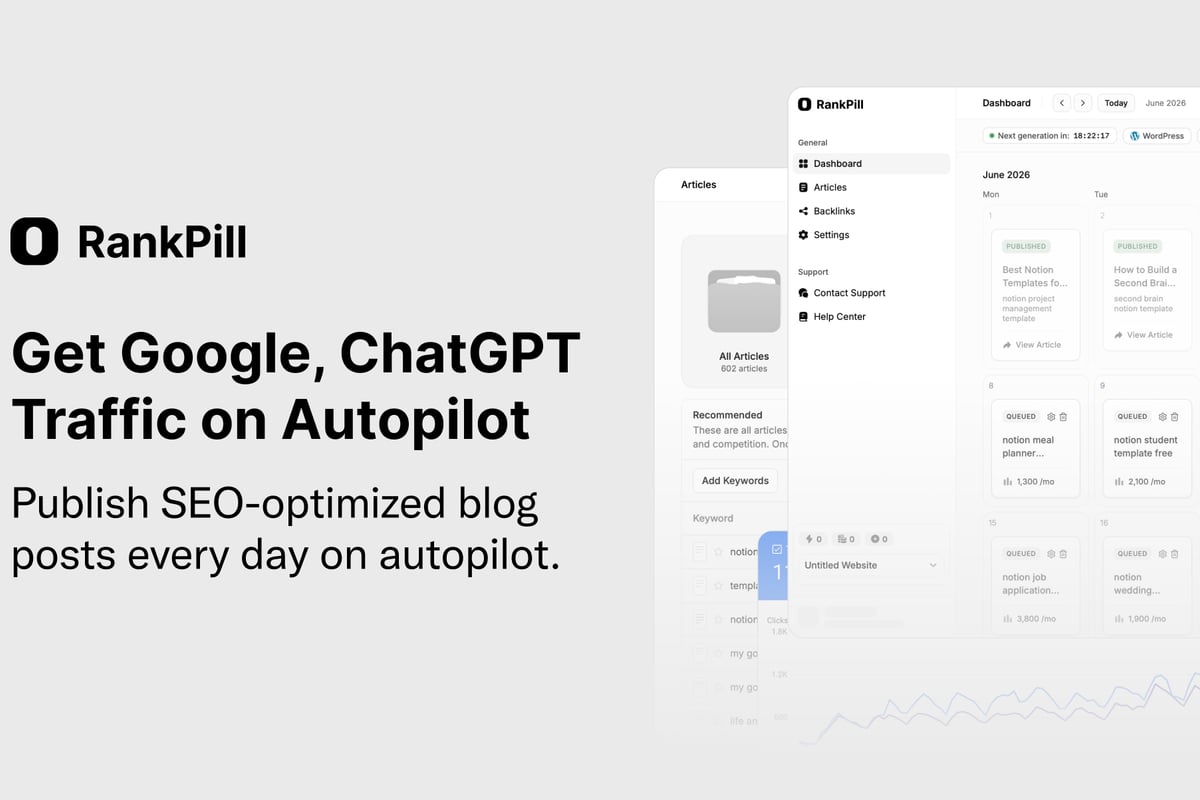
RankPill offers an AI-powered solution that generates optimized content at scale while maintaining the quality standards necessary for white hat backlinks. At just $3 per article compared to $5,000+ through traditional agencies, the platform enables businesses to create the comprehensive resources and regular publishing schedule that naturally attract editorial links. The system handles keyword research, creates 2,000+ word articles with unique images, and manages internal linking structures that support overall SEO strategy.
Technical Considerations for Link Acquisition
Beyond content and outreach, technical factors influence how effectively backlinks contribute to your SEO performance. Understanding these elements helps maximize the value of each acquired link.
Link Placement and Context
Links embedded within main content areas carry more weight than sidebar or footer placements. Search engines recognize that editorial links typically appear within the natural flow of content rather than template elements repeated across multiple pages.
Factors affecting white hat backlink value:
- Position within main content versus supplementary areas
- Surrounding text relevance to the linked page topic
- Number of other links on the same page
- Whether the link uses nofollow attributes
- Loading speed and user experience of the linking page
While you cannot always control these factors, prioritizing outreach to sites that typically provide ideal placements improves overall efficiency.
Anchor Text Diversity
Natural link profiles contain varied anchor text rather than exact-match keywords repeated across multiple links. White hat backlinks accumulate with branded terms, URLs, generic phrases like "click here," and occasional keyword variations.
Forcing exact-match anchors in outreach requests signals manipulation attempts. Instead, allow linking sites to choose natural anchor text that fits their content. This creates the diverse, organic-looking profile that search algorithms expect.
Monitoring and Maintaining Your Backlink Profile
Acquiring white hat backlinks represents only part of the equation. Regular monitoring ensures your profile remains healthy and allows you to identify new opportunities.
Essential Backlink Metrics to Track
Key performance indicators for backlink health:
- Total referring domains (more important than total backlinks)
- Domain authority distribution of linking sites
- Anchor text variation and natural language patterns
- Link acquisition velocity and consistency
- Lost backlinks requiring recovery efforts
Sudden spikes or drops in backlink counts warrant investigation. While white hat strategies produce gradual growth, understanding fluctuations helps identify both opportunities and potential issues.
Disavowing Harmful Links
Even with white hat practices, your site may accumulate unwanted links from spammy sources. Google's disavow tool allows you to distance your site from these associations. For guidance on building white hat backlinks without getting penalized, regular profile audits combined with strategic disavowal maintain profile health.
Use this tool conservatively. Only disavow links that clearly violate guidelines and might harm your rankings. Overuse of the disavow file can accidentally remove valuable backlinks from your profile.
Measuring White Hat Backlink Impact
Connecting backlink acquisition to business outcomes justifies continued investment in white hat strategies. While links don't directly convert to revenue, their contribution to organic visibility drives measurable results.
Attribution Models for Link Building
Track how backlinks influence broader SEO metrics rather than expecting immediate traffic from each individual link. The cumulative effect of quality backlinks improves domain authority, which elevates rankings across your entire site.
| Metric | Measurement Frequency | Expected Impact Timeline | Business Value |
|---|---|---|---|
| Organic Traffic Growth | Weekly | 2-4 months | Direct visitor increase |
| Keyword Rankings | Weekly | 1-3 months | Position improvements |
| Domain Authority | Monthly | 3-6 months | Overall site strength |
| Referral Traffic | Daily | Immediate | Direct link clicks |
| Conversion Rate | Monthly | 4-6 months | Revenue impact |
Sophisticated attribution requires connecting ranking improvements to revenue changes. Tools that track keyword-level conversions help demonstrate ROI from backlink campaigns.
Future-Proofing Your Link Building Strategy
Search algorithms continue evolving, but the fundamental principles of white hat backlinks remain constant. Creating value, building relationships, and earning editorial endorsements will always align with how search engines assess authority.
Adapting to Algorithm Changes
Google's core updates increasingly reward expertise, authoritativeness, and trustworthiness. These qualities manifest through the types of sites linking to you and the context surrounding those links. The application of large language models in white hat SEO demonstrates how AI can support ethical optimization while maintaining compliance with evolving guidelines.
Rather than chasing specific ranking factors, focus on fundamental quality signals that transcend individual algorithm updates. Sites earning links from respected industry publications, educational institutions, and established media outlets maintain rankings through algorithmic shifts.
Integrating AI While Maintaining Ethics
Artificial intelligence tools can streamline research, identify opportunities, and personalize outreach at scale. However, maintaining white hat standards requires human judgment about relationship building and content quality.
Use AI to enhance efficiency in tasks like competitor analysis, broken link discovery, and initial outreach list creation. Reserve human expertise for relationship nurturing, content creation decisions, and strategic direction. This hybrid approach combines technological leverage with the authenticity that white hat strategies require.
Understanding how AI and SEO work together helps businesses leverage technology while maintaining the ethical standards that protect long-term rankings.
Common White Hat Backlink Mistakes to Avoid
Even well-intentioned link building campaigns can stumble into practices that undermine effectiveness or risk penalties. Recognizing these pitfalls helps maintain truly white hat operations.
Quality Over Quantity Mindset
Pursuing hundreds of low-quality backlinks wastes resources better invested in fewer high-authority placements. A single link from a respected industry publication often provides more SEO value than dozens of directory listings or low-traffic blog comments.
Signs you're prioritizing quantity inappropriately:
- Accepting any guest posting opportunity regardless of audience relevance
- Building links from sites with no organic traffic
- Using automated tools for mass outreach without personalization
- Measuring success solely by number of backlinks acquired
- Ignoring the editorial standards of linking sites
Recalibrate your approach by setting quality thresholds. Only pursue opportunities meeting minimum standards for domain authority, traffic, and topical relevance.
Over-Optimization in Anchor Text
While some keyword-rich anchor text naturally occurs, forcing exact matches across multiple backlinks creates obvious manipulation patterns. This particularly applies when the same keyword phrase appears as anchor text from multiple domains within a short timeframe.
Allow linking sites to choose anchor text that fits their content naturally. When you can suggest anchors, vary the language and include branded terms, generic phrases, and natural variations rather than repeating exact keywords.
White hat backlinks remain the foundation of sustainable SEO success, providing long-term value through ethical acquisition methods that align with search engine guidelines. By focusing on creating genuinely valuable content, building authentic industry relationships, and earning editorial endorsements, businesses establish authority that withstands algorithm updates and competitive pressure. RankPill streamlines the content creation process that supports white hat link building, enabling you to produce the high-quality resources that naturally attract backlinks while maintaining the publishing consistency that builds domain authority over time.