
White Hat Links: Ethical Link Building in 2026

Modest Mitkus · April 21, 2026
Building a strong backlink profile remains one of the most critical factors for ranking success in search engines. However, the methods you use to acquire these links determine whether your SEO efforts create lasting value or put your website at risk. White hat links represent the ethical, sustainable approach to link building that aligns with search engine guidelines while delivering genuine value to users. Unlike manipulative tactics that might offer short-term gains, white hat link building focuses on creating quality content and authentic relationships that stand the test of algorithm updates.
Understanding White Hat Links and Their Importance
White hat links are inbound links acquired through legitimate, ethical methods that comply with search engine guidelines. These links come from reputable sources and are earned naturally because your content provides genuine value to readers.
The foundation of white hat link building rests on creating resources worth linking to. When you publish comprehensive guides, original research, or unique insights, other websites naturally want to reference your work. This organic endorsement signals to search engines that your content deserves higher rankings.
Search engines like Google have become increasingly sophisticated at identifying link manipulation. Their algorithms now penalize websites that engage in schemes designed to artificially inflate their backlink profiles. White hat links protect your site from these penalties while building sustainable authority.
The Evolution of Link Building Standards
The SEO landscape has transformed dramatically since the early days of search optimization. In the past, webmasters could manipulate rankings through link farms, excessive directory submissions, and keyword-stuffed anchor text. Google's Penguin update fundamentally changed this dynamic.
Modern search algorithms evaluate links based on:
- Relevance between linking and linked content
- Authority of the linking domain
- Context surrounding the link placement
- Natural distribution of anchor text
- Editorial intent behind the link
These factors ensure that white hat links carry significantly more weight than their manipulative counterparts. A single link from an authoritative, relevant source can outperform dozens of low-quality links.

Proven Strategies for Acquiring White Hat Links
Earning quality backlinks requires strategic planning and consistent effort. The most successful campaigns combine multiple approaches to diversify your link profile naturally.
Content-Driven Link Acquisition
Creating exceptional content remains the cornerstone of white hat link building. When you publish resources that solve problems, answer questions, or provide unique insights, you create opportunities for organic links.
Original research and data studies consistently attract high-quality backlinks. Industry surveys, case studies, and statistical analyses give journalists, bloggers, and researchers concrete information to cite. These links often come from authoritative publications within your niche.
Comprehensive guides and tutorials establish your expertise while providing value that others want to share. When you break down complex topics into actionable steps, you create bookmark-worthy resources that naturally accumulate links over time.
Visual content like infographics, charts, and diagrams makes complex information digestible. These assets are highly shareable and often get embedded on other websites with proper attribution links pointing back to your site.
| Content Type | Link Potential | Effort Required | Longevity |
|---|---|---|---|
| Original Research | Very High | High | 2-5 years |
| Comprehensive Guides | High | Medium-High | 3-7 years |
| Infographics | High | Medium | 1-3 years |
| Opinion Pieces | Medium | Low-Medium | 6-18 months |
| News Updates | Low-Medium | Low | 1-6 months |
Relationship-Based Link Building
Building genuine relationships within your industry opens doors to natural linking opportunities. This approach focuses on creating mutual value rather than transactional link exchanges.
Guest contribution on reputable platforms allows you to share your expertise with new audiences while earning contextual links. Focus on publications that serve your target audience and maintain high editorial standards. Your contribution should provide unique insights rather than recycled information.
Participating in industry discussions, forums, and communities positions you as a helpful resource. When you consistently provide valuable answers and insights, people naturally reference your content and website in their own work.
Collaborating with complementary businesses creates win-win scenarios. Joint webinars, co-authored research, or shared resources can result in natural links from partner websites to yours.
For businesses seeking to build backlinks effectively, focusing on relationship-building creates compounding returns over time. The connections you make today can lead to ongoing link opportunities for years to come.
Technical Considerations for White Hat Link Building
Beyond acquisition strategies, understanding the technical aspects of white hat links ensures maximum SEO benefit from your efforts.
Link Attributes and Their Impact
Modern HTML provides specific attributes to classify different types of links. Understanding these attributes helps you evaluate the quality of links pointing to your site.
DoFollow links pass authority from the linking page to your website. These are the most valuable for SEO purposes, as they directly contribute to your domain authority and ranking potential. Most white hat links should be doFollow by default.
NoFollow links include a rel="nofollow" attribute that tells search engines not to pass authority. While these don't directly boost rankings, they still drive traffic and contribute to a natural link profile. A healthy backlink profile includes a mix of both types.
Sponsored and UGC attributes provide additional classification for paid content and user-generated content respectively. Proper use of these attributes maintains transparency with search engines.
Anchor Text Optimization
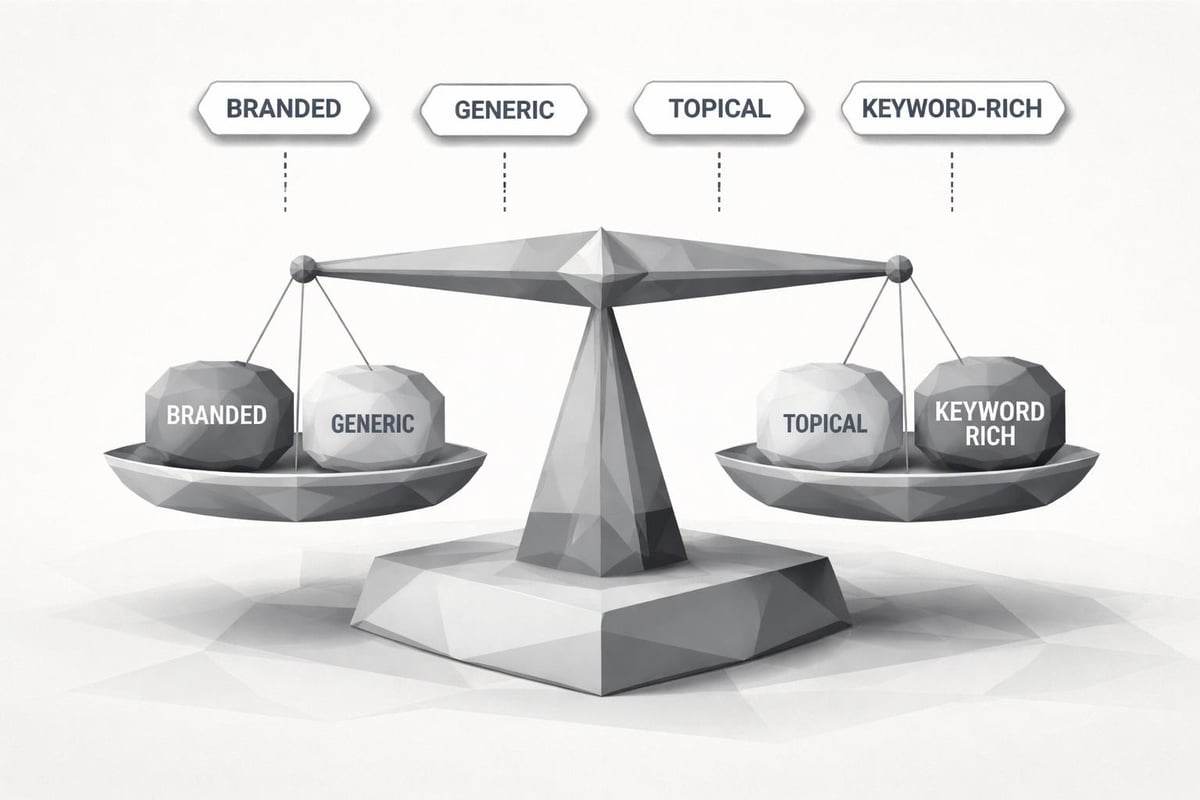
The clickable text of your backlinks plays a crucial role in how search engines understand your content. White hat link building requires a natural distribution of anchor text types.
- Branded anchors using your company name
- Naked URLs displaying your full web address
- Generic phrases like "click here" or "learn more"
- Topical variations related to your content theme
- Exact match keywords used sparingly and naturally
Over-optimization of anchor text with exact match keywords signals manipulation to search engines. A natural profile shows variety that reflects how real people actually link to content.
Quality Assessment for White Hat Links
Not all ethically acquired links provide equal value. Developing the ability to assess link quality helps you prioritize your outreach efforts and evaluate your backlink profile.
Domain Authority Metrics
While no single metric perfectly captures a website's authority, several indicators help you evaluate potential link sources.
Domain Rating or Domain Authority scores from tools like Ahrefs, Moz, or SEMrush provide a quick snapshot of a website's overall link strength. Higher scores generally indicate more valuable link opportunities, though context matters significantly.
Organic traffic estimates reveal whether a site actually ranks for relevant searches. A website with strong traffic from search engines demonstrates that Google values its content.
Topical relevance often matters more than raw authority numbers. A link from a moderately authoritative site within your niche typically provides more value than a high-authority link from an unrelated industry.
Red Flags to Avoid
Even when pursuing white hat strategies, you need to recognize low-quality link sources that could harm your profile.
Avoid websites that:
- Exist solely to sell links or host guest posts
- Have no organic traffic or engagement
- Feature thin, low-quality content
- Display excessive ads or spam characteristics
- Have been penalized by search engines
Link farms and private blog networks represent the antithesis of white hat link building. These schemes create artificial link structures that search engines actively penalize.
Websites that accept payment for DoFollow links without proper disclosure violate Google's guidelines. While sponsored content has its place, it must be clearly marked with appropriate attributes.
Scaling White Hat Link Building Efforts
As your website grows, you need systems to scale your link building without compromising quality or ethics. Strategic approaches allow you to increase link acquisition while maintaining white hat standards.
Process Development and Documentation
Creating repeatable processes ensures consistency across your link building campaigns. Document your outreach templates, content creation workflows, and quality assessment criteria.
Outreach automation tools can help manage relationship building at scale when used responsibly. The key is personalizing communication while streamlining administrative tasks. Template frameworks should serve as starting points that you customize for each prospect.
Content production schedules ensure a steady stream of linkable assets. Planning quarterly research projects, monthly comprehensive guides, and weekly timely content creates multiple opportunities for link acquisition.
Platforms that specialize in automated SEO can help maintain consistency in your content output while ensuring quality standards. RankPill offers an AI-powered solution that generates optimized content 24/7, helping you create the high-quality resources that naturally attract white hat links. With features like automatic keyword research and content publishing, you can maintain a consistent flow of linkable assets without compromising quality.
Monitoring and Maintaining Your Link Profile
Regular audits of your backlink profile help you identify both opportunities and potential issues before they impact your rankings.
Link monitoring tools track new backlinks as they appear, allowing you to thank link sources and build relationships. They also alert you to potentially harmful links that might require disavowal.
Tracking metrics like referring domains, link growth rate, and anchor text distribution helps you understand the health of your profile. Sudden spikes or unusual patterns may indicate problems that need investigation.
| Metric | Healthy Pattern | Warning Signs |
|---|---|---|
| Monthly Link Growth | Steady, gradual increase | Sudden spikes or drops |
| Domain Diversity | Wide range of sources | Concentration from few sites |
| Anchor Text | Natural variation | Heavy exact-match keywords |
| Link Types | Mix of content types | Dominance of directories/footers |
Content Strategies That Attract White Hat Links
The most effective link building doesn't feel like link building at all. When you focus on creating genuinely valuable content, links follow naturally as a byproduct of excellence.
Research-Based Content Creation
Publishing original research establishes your authority while creating highly citable resources. Industry surveys, customer data analysis, and experimental studies provide concrete information that others need to reference.
Survey methodology should be transparent and rigorous. Share your sample size, collection methods, and any limitations in your findings. This transparency builds trust and makes your research more citation-worthy.
Data visualization makes your findings accessible and shareable. Interactive charts, downloadable datasets, and visual summaries increase the likelihood that others will reference and link to your research.
Problem-Solving Resources
Comprehensive solutions to common industry problems create evergreen value that accumulates links over time. These resources answer specific questions that your audience actively searches for.
Step-by-step tutorials that walk readers through complex processes become go-to references. When you solve a problem better than anyone else, your content becomes the default resource people link to.
Troubleshooting guides that address specific issues help people overcome obstacles. These resources often earn links from support forums, social media discussions, and industry blogs where people seek solutions.
For businesses looking to understand AI and SEO integration, creating educational resources about emerging trends positions you as a thought leader worth citing.
Measuring White Hat Link Building Success
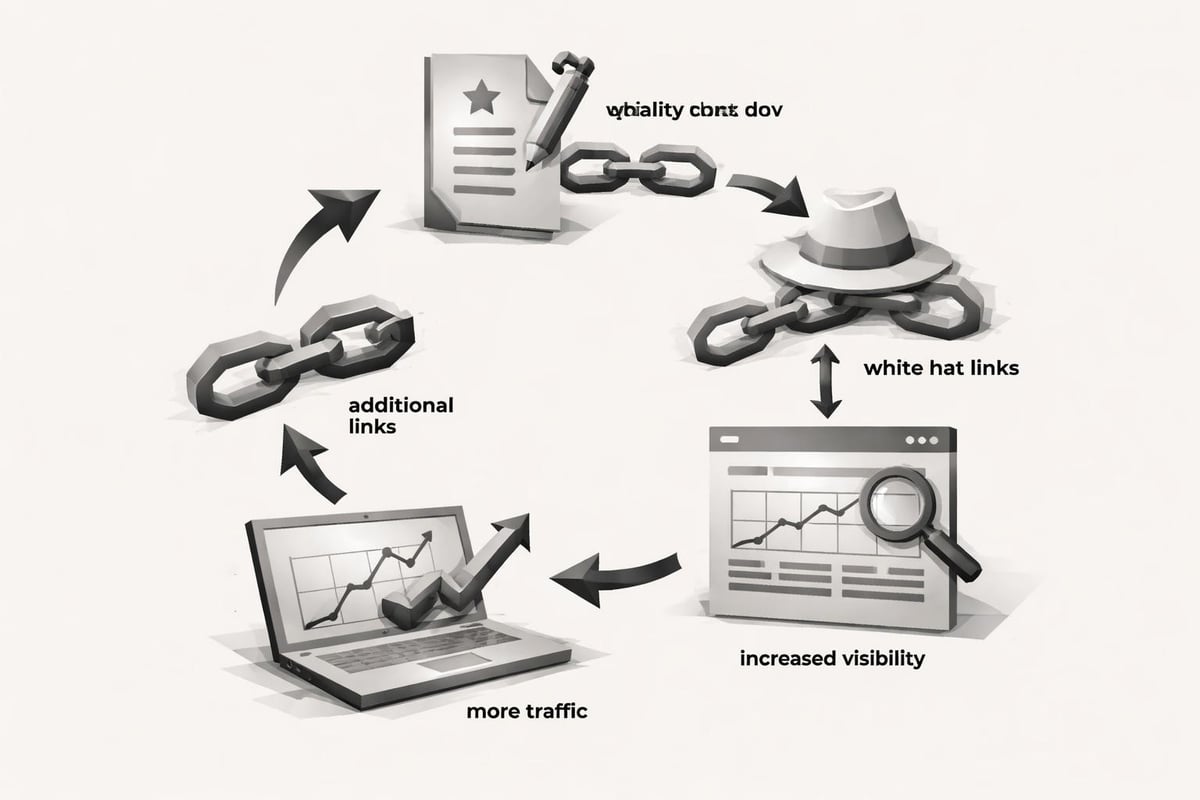
Tracking the right metrics helps you understand the impact of your efforts and optimize your strategy over time. White hat link building requires patience, but proper measurement reveals progress.
Key Performance Indicators
Referring domain growth measures how many unique websites link to yours. This metric matters more than total backlink count, as multiple links from the same domain provide diminishing returns.
Organic traffic increases from targeted keywords demonstrate the ranking impact of your link building. Track traffic growth to specific pages that have gained quality links to see direct correlation.
Ranking improvements for competitive keywords show whether your link building moves the needle on important search terms. Monitor both primary and long-tail keyword positions.
Domain authority increases reflect the cumulative impact of quality links on your overall site strength. While this is a third-party metric, it provides useful context for competitive comparison.
Attribution and Analysis
Understanding which link building tactics deliver the best results allows you to allocate resources effectively. Tag campaigns appropriately and track which content types attract the most valuable links.
Link source analysis reveals patterns in what types of websites link to you. Do you get more links from educational institutions, industry blogs, or news publications? This insight guides your outreach priorities.
Content performance tracking shows which pieces attract the most backlinks. Identify common characteristics among your most-linked content to inform future creation efforts.
When evaluating whether SEO is worth it for small businesses, measuring concrete ROI from white hat link building demonstrates the tangible value of ethical optimization.
Advanced White Hat Link Building Techniques
Once you've mastered foundational strategies, advanced techniques can accelerate your link acquisition while maintaining ethical standards.
Digital PR and Media Outreach
Positioning your brand as a source for journalists and media outlets creates opportunities for high-authority links from news publications. This approach combines public relations with link building objectives.
HARO (Help a Reporter Out) and similar services connect journalists with expert sources. By providing valuable quotes and insights for articles, you earn editorial links from reputable publications.
Press releases for genuinely newsworthy announcements can attract coverage from industry publications. Focus on actual news like significant research findings, major product launches, or notable achievements rather than routine updates.
Building relationships with journalists in your industry creates ongoing opportunities. When reporters know you as a reliable source, they'll reach out for future stories, resulting in natural link opportunities.
Broken Link Building
This win-win strategy helps webmasters fix broken links on their sites while earning backlinks for your content. The approach is ethical because you're providing genuine value by identifying and solving a problem.
Identify broken links on relevant websites using tools that crawl external links. Look for resource pages, link roundups, and comprehensive guides in your industry.
Create replacement content that matches or exceeds the quality of the dead page. Your content should serve as a legitimate alternative that provides value to the linking site's readers.
Reach out to webmasters with personalized messages that identify the broken link and suggest your content as a replacement. Frame this as helping them maintain their content quality rather than asking for a favor.
Resource Page Link Building
Many websites maintain curated lists of helpful resources for their audience. Getting featured on these pages provides valuable links from relevant sources.
Search for resource pages using queries like "industry + resources" or "topic + helpful links." These pages often explicitly state they're open to suggestions for additions.
Quality and relevance are crucial for this strategy. Only suggest your content when it genuinely belongs among the other resources listed. Your pitch should explain why your content would benefit their audience.
Maintaining your own resource pages creates reciprocal value and positions you as a connector within your industry. This approach builds goodwill that often results in natural link opportunities.
Common Misconceptions About White Hat Links
Clearing up confusion about ethical link building helps you avoid both overly cautious and risky approaches to SEO.
Myth: All Paid Links Are Black Hat
While buying links to manipulate rankings violates guidelines, legitimate paid placements exist. Sponsored content, native advertising, and paid PR can all be white hat when properly disclosed with appropriate attributes.
The key distinction is intent and transparency. Sponsorships that use rel="sponsored" attributes and provide genuine value to readers comply with guidelines. The payment is for exposure and traffic, not specifically for SEO manipulation.
Myth: White Hat Link Building Is Too Slow
Quality link building does require more time than manipulative shortcuts, but "too slow" often reflects unrealistic expectations. Strategic white hat approaches can deliver meaningful results within three to six months.
The compounding nature of white hat links means they continue delivering value long after acquisition. A single piece of linkable content might attract new links for years, creating ongoing ROI.
Myth: You Can't Proactively Build White Hat Links
Some SEO practitioners suggest that white hat link building means passively waiting for links to appear. This misconception ignores legitimate outreach and promotion strategies.
Proactive outreach is ethical when you're genuinely offering value. Informing relevant websites about your research, suggesting your content as a resource, or proposing collaboration all qualify as white hat tactics.
The difference between white hat and black hat outreach lies in your approach. Are you trying to manipulate or provide value? Are you transparent about your intentions? These questions determine the ethical nature of your efforts.
Understanding approaches like content creation AI can help you maintain consistent output for white hat link building while ensuring quality standards.
Future-Proofing Your Link Building Strategy
Search algorithms continue evolving, but the principles underlying white hat links remain constant. Building your strategy on these foundations ensures long-term resilience.
Focusing on User Value
Links that result from providing genuine value to users will always align with search engine goals. As algorithms become more sophisticated, they get better at identifying and rewarding these authentic signals.
User engagement metrics increasingly influence rankings. When people arrive from a link and engage meaningfully with your content, it signals quality to search engines. This validation goes beyond the link itself.
Diversifying Link Sources
Relying too heavily on any single link building tactic creates vulnerability. Algorithm changes, platform policies, or competitive shifts can disrupt specific channels.
Maintain a portfolio approach that includes:
- Content-driven organic links
- Relationship-based collaborations
- Digital PR and media coverage
- Community participation
- Industry-specific directories and resources
This diversity ensures that changes affecting one channel don't devastate your overall link profile.
Adapting to AI Search Evolution
As AI-powered search experiences like ChatGPT integrate into how people find information, the role of backlinks may evolve. However, authority signals remain crucial for AI systems to evaluate source credibility.
Position your content to be recommended by AI search tools by focusing on expertise, authority, and trustworthiness. These same factors that earn white hat links also make your content valuable for AI recommendations. Learning how to get recommended by ChatGPT complements traditional link building efforts.
White hat links represent the foundation of sustainable SEO success, building authority through ethical practices that withstand algorithm updates and deliver lasting value. By focusing on quality content creation, genuine relationship building, and strategic outreach, you can develop a backlink profile that drives rankings and traffic for years to come. RankPill helps you maintain the consistent, high-quality content output necessary for successful white hat link building, automating SEO content creation while ensuring the expertise and value that naturally attracts authoritative backlinks.
Unlock Traffic on Autopilot
Grow organic traffic on autopilot. RankPill will research, write, optimize, and publish articles to your website daily.
 WordPress