Google Ads Key Planner: Complete Guide for 2026

Modest Mitkus · October 9, 2026
Understanding how to leverage the google ads key planner effectively separates successful digital marketers from those burning through budgets without measurable returns. This powerful tool, embedded within the Google Ads platform, serves as the foundation for both paid search campaigns and organic content strategies. Whether you're building SEO-optimized content or launching PPC campaigns, mastering keyword planning determines whether you attract qualified traffic or waste resources on irrelevant searches.
What is Google Ads Key Planner and Why It Matters
The google ads key planner (officially called Google Keyword Planner) functions as Google's proprietary keyword research tool, designed to help advertisers discover search terms, estimate traffic potential, and forecast campaign budgets. While originally built for paid advertising, SEO professionals increasingly rely on this tool to identify content opportunities and understand search behavior patterns.
This free tool provides access to Google's actual search data, offering insights no third-party platform can fully replicate. You gain visibility into monthly search volumes, competition levels, suggested bid ranges, and seasonal trends directly from the world's dominant search engine.
Core Capabilities of the Tool
The google ads key planner delivers several critical functions:
- Keyword discovery based on seed terms, URLs, or broad topics
- Search volume data showing monthly average searches and historical trends
- Competition assessment indicating how many advertisers bid on each term
- Cost forecasting with estimated cost-per-click ranges and budget projections
- Geographic targeting revealing regional search variations and local demand
According to Google's official API documentation, the tool supports both manual research through the web interface and programmatic access for large-scale analysis. This flexibility makes it valuable for solo marketers and enterprise teams alike.
Setting Up Access to Google Ads Key Planner
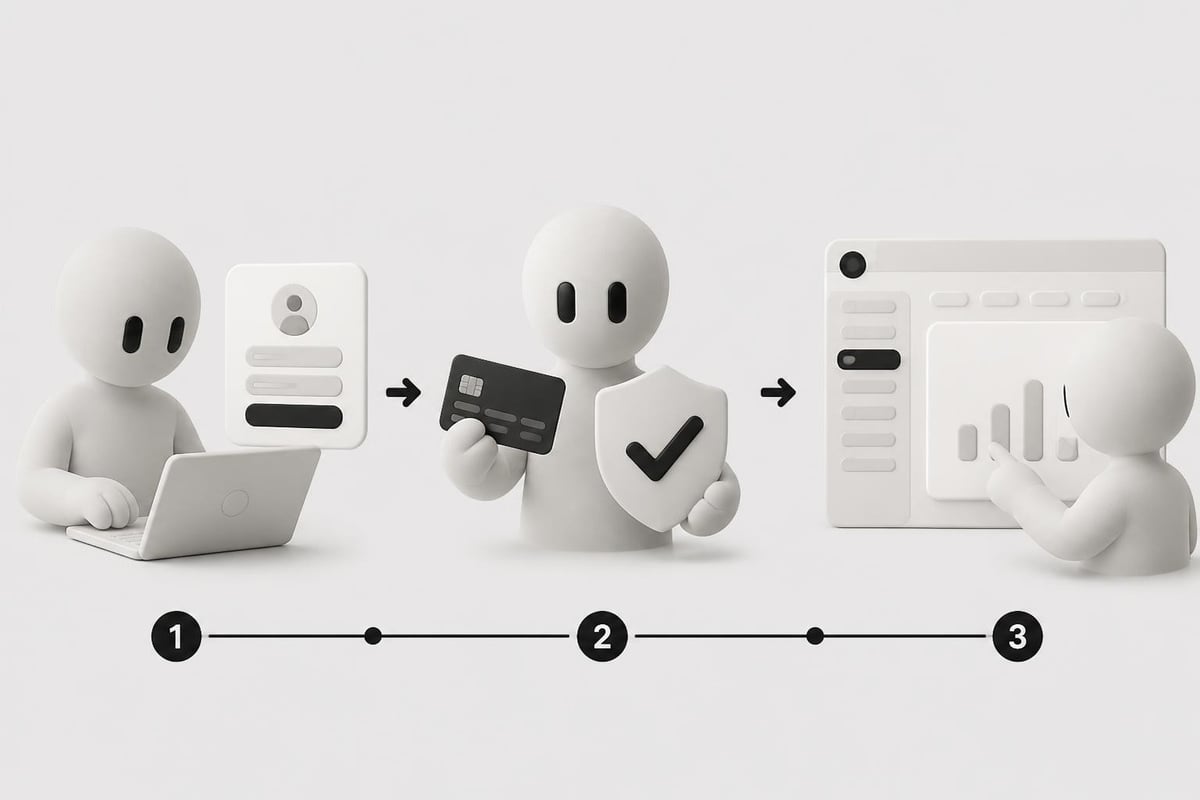
Before you can use the google ads key planner, you need a Google Ads account. The setup process takes approximately ten minutes, though full functionality requires completing your account profile and payment information.
Account Creation Steps:
- Navigate to ads.google.com and sign in with any Google account
- Click "Switch to Expert Mode" to access advanced features
- Complete the initial campaign setup (you can pause it immediately)
- Add billing information (required even if you don't run ads)
- Access Tools & Settings → Planning → Keyword Planner
Google removed guest access in 2016, requiring valid payment information before showing precise search volume data. Without completing these steps, you'll only see broad ranges like "10K-100K" instead of specific monthly search numbers.
Understanding Interface Options
The google ads key planner presents two primary research pathways. "Discover new keywords" generates suggestions based on your input, while "Get search volume and forecasts" analyzes specific keyword lists you've already compiled.
Most users start with keyword discovery, entering seed terms related to their business, products, or content topics. The tool then generates hundreds or thousands of related phrases, sorted by relevance and search volume.
Conducting Effective Keyword Research
The google ads key planner excels at uncovering keyword opportunities you might never discover through manual brainstorming. Effective research requires strategic input and careful interpretation of the resulting data.
Generating Seed Keywords
Start with 5-10 core terms that describe your business offerings or content topics. For an SEO automation platform, you might enter phrases like "automated SEO," "content marketing tools," or "keyword research software."
The tool analyzes these seeds and returns related queries actual users search for. These suggestions come from Google's search query logs, revealing how people phrase questions and what modifiers they include.
| Input Type | Best Use Case | Example |
|---|---|---|
| Keywords | Broad topic exploration | "backlink building" |
| Website URL | Competitor analysis | competitor-domain.com |
| Category | Industry discovery | Marketing & Advertising → SEO |
Combining multiple input methods produces the most comprehensive results. A Search Engine Journal guide to keyword research emphasizes this multi-angle approach for thorough market coverage.
Interpreting Search Volume Data
The google ads key planner displays average monthly searches based on the past 12 months. This metric indicates demand but requires context. A keyword with 1,000 monthly searches in a specialized B2B niche may be more valuable than a 100,000-volume consumer term with intense competition.
Key volume considerations:
- Seasonal variations affecting year-round averages
- Geographic distribution of searches
- Search intent alignment with your offerings
- Competition levels relative to volume
Many successful content strategies focus on long-tail keyword opportunities with lower volume but higher conversion potential. The google ads key planner excels at revealing these specific, intent-rich phrases.
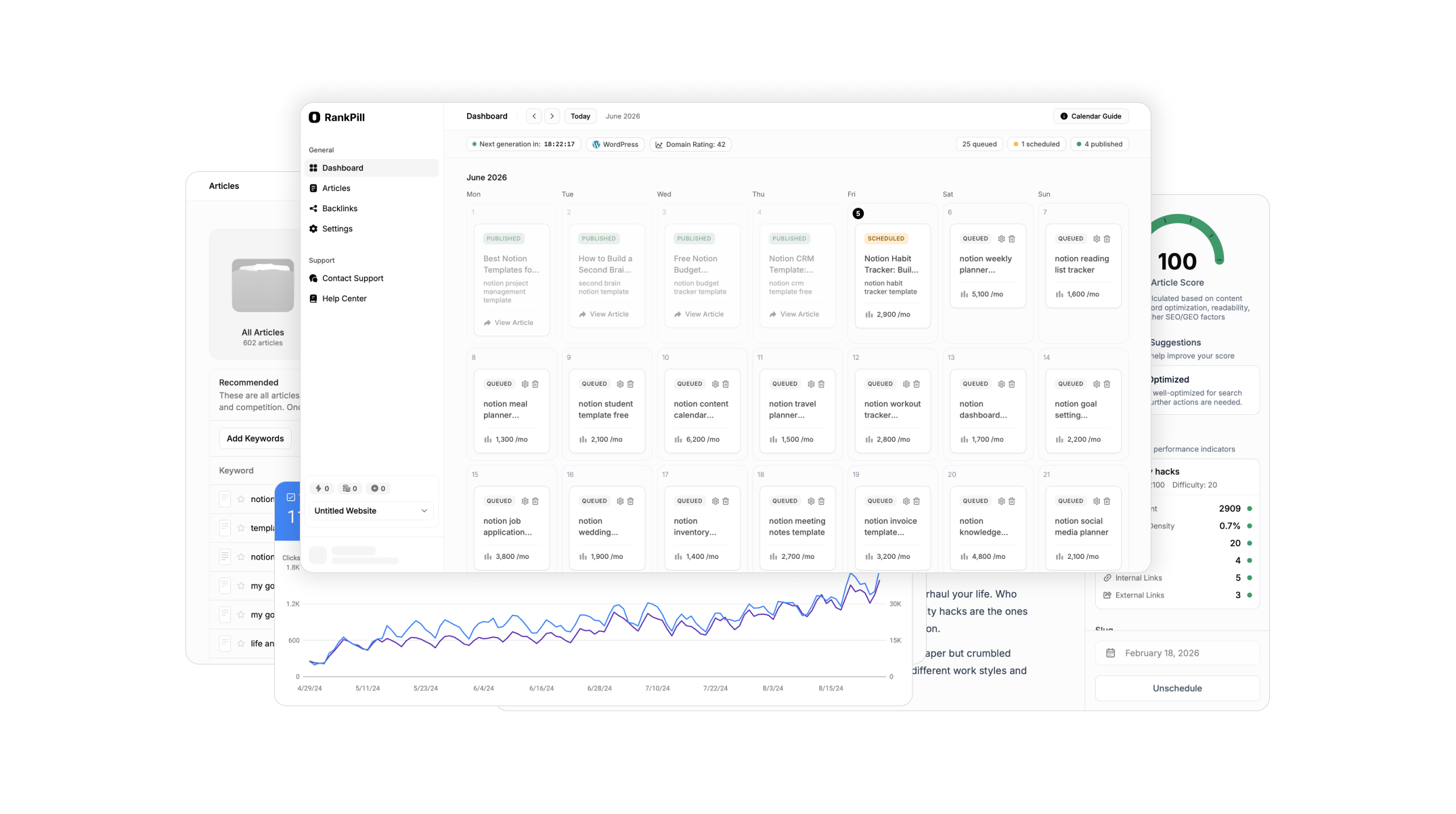
When planning SEO content at scale, tools like RankPill's Keyword Research Tool complement Google's data by identifying low-competition opportunities and tracking keyword difficulty specifically for organic ranking potential.
Analyzing Competition and Cost Metrics
Beyond search volume, the google ads key planner provides competition indicators and cost estimates that inform both paid and organic strategies. Understanding these metrics prevents wasted effort targeting unrealistic keywords.
Competition Levels Explained
The "competition" column shows advertiser density, not SEO difficulty. Low, Medium, and High ratings indicate how many advertisers bid on each term in Google Ads auctions. While this directly impacts PPC strategy, it indirectly signals commercial intent valuable for content planning.
High competition keywords typically indicate strong buyer intent and established markets. Low competition terms may represent emerging opportunities or niche topics with limited commercial appeal.
Competition vs. SEO Difficulty:
- Competition: Advertiser bidding density in paid search
- SEO Difficulty: Ranking challenge based on backlink profiles and content quality
- Correlation: Often aligned but not identical
A HubSpot guide to PPC keyword research explains how to interpret competition metrics alongside cost data for campaign planning.
Cost-Per-Click Forecasting
The google ads key planner displays suggested bid ranges showing what advertisers typically pay for top-of-page placement. These estimates fluctuate based on industry, competition, and quality scores.
For SEO professionals, CPC data reveals keyword value. High CPC terms indicate strong commercial intent, making them priority targets for organic content strategies. If advertisers pay $15 per click, ranking organically for that term delivers substantial value.
| Keyword Type | Avg. CPC Range | SEO Priority | Content Strategy |
|---|---|---|---|
| Informational | $0.25 - $2.00 | Medium | Educational guides |
| Commercial | $2.00 - $10.00 | High | Comparison content |
| Transactional | $10.00 - $50.00+ | Highest | Product pages |
Advanced Filtering and Segmentation
The google ads key planner offers robust filtering capabilities that transform overwhelming keyword lists into actionable segments. Mastering these filters accelerates research and improves targeting precision.
Location and Language Targeting
Geographic filters reveal regional search variations and local demand patterns. A keyword popular in New York might barely register in rural markets, while regional terminology differs significantly across countries.
You can target:
- Specific countries or regions
- States and provinces
- Cities and metropolitan areas
- Radius around locations
- Multiple locations simultaneously
Language targeting ensures you analyze searches in your audience's preferred language. This becomes critical for international SEO or multilingual content strategies, where keyword research must account for native search patterns rather than direct translations.

Date Range and Seasonal Analysis
The google ads key planner displays 12-month historical data and projected forecasts. Adjusting date ranges uncovers seasonal patterns essential for content planning and budget allocation.
Holiday shopping terms spike in November and December. Tax-related queries surge in March and April. Fitness keywords peak in January as New Year's resolutions drive searches. Understanding these patterns through historical data prevents mistiming content publication.
Building Targeted Keyword Lists
Once you've researched and filtered keywords, the google ads key planner facilitates list building for campaign organization or content planning. Strategic list segmentation improves both paid performance and organic content efficiency.
Organizing by Intent and Funnel Stage
Group keywords by user intent and buyer journey position. Top-of-funnel awareness keywords differ dramatically from bottom-of-funnel conversion terms in volume, competition, and content requirements.
Intent-based organization:
- Informational: "what is keyword research," "how to improve SEO"
- Navigational: "Google Keyword Planner login," "RankPill features"
- Commercial: "best SEO tools," "keyword research software comparison"
- Transactional: "buy SEO subscription," "SEO automation pricing"
This structure aligns with how prospects actually discover and evaluate solutions. An informational search represents early-stage research, while transactional queries signal purchase readiness.
Creating Thematic Content Clusters
The google ads key planner reveals natural topic clusters when you sort suggestions by relevance. These groupings indicate how Google conceptually relates terms, informing content architecture and internal linking strategies.
For example, researching "keyword research" might reveal clusters around tools, techniques, strategy, and specific use cases. Each cluster represents a potential pillar page with supporting content pieces targeting related long-tail variations.
This approach aligns with how modern search engines understand semantic relationships and topical authority. As discussed in guides on AI and SEO, search algorithms increasingly reward comprehensive topic coverage over isolated keyword targeting.
Forecasting Traffic and Budget Potential
The google ads key planner includes forecasting features that predict campaign performance based on budget, targeting, and historical trends. While designed for paid search, these projections inform content ROI estimates and priority decisions.
Understanding Forecast Metrics
When you upload a keyword list and set a daily budget, the tool estimates:
- Impressions: How often ads would appear
- Clicks: Expected traffic volume
- Average CPC: Cost per visitor
- Total cost: Daily and monthly spend
- Top-of-page placement: Percentage of premium positions
These forecasts assume average quality scores and typical click-through rates. Actual performance varies based on ad copy, landing pages, and competitive changes.
Applying Forecasts to Organic Strategy
For SEO planning, google ads key planner forecasts reveal opportunity size and investment justification. If a keyword cluster would generate 500 clicks daily at $3 CPC in paid search, ranking organically for those terms delivers $45,000 monthly value.
This calculation helps prioritize content development and resource allocation. High-value keyword groups justify more substantial content investments, while lower-value clusters might suit automated approaches or brief updates.
When building content at scale, platforms offering SEO automation can efficiently target mid-value keyword opportunities that would be cost-prohibitive for manual content creation.
Common Mistakes and How to Avoid Them
Even experienced marketers misuse the google ads key planner in ways that distort strategy and waste resources. Recognizing these pitfalls improves research accuracy and decision quality.
Ignoring Search Intent Signals
High search volume doesn't guarantee keyword value. Terms with massive volume but misaligned intent generate traffic that bounces without converting. The google ads key planner shows what people search, not why they search it.
Always analyze top-ranking pages for target keywords before committing resources. If search results show entirely different content types or topics than you plan to create, the keyword likely won't perform despite attractive volume numbers.
Intent verification checklist:
- Review actual search results for your target keyword
- Identify the dominant content type (guides, product pages, videos)
- Assess commercial vs. informational intent
- Match your content capability to user expectations
Overlooking Long-Tail Variations
Focusing exclusively on high-volume head terms ignores the long-tail opportunities that drive most organic traffic. The google ads key planner surfaces thousands of specific variations, many with clearer intent and less competition than broad terms.
A Neil Patel tutorial on Google Keyword Planner emphasizes mining these specific phrases for content topics that actually rank and convert.
The cumulative traffic from dozens of long-tail keywords often exceeds what you'd capture from a single competitive head term. These specific phrases also tend to convert better because they match precise user needs.
Integrating Keyword Data Into Content Strategy
Research only creates value when applied to actual content creation and optimization. The google ads key planner should inform topic selection, content structure, and ongoing performance tracking.
Mapping Keywords to Content Types
Different keywords require different content formats. Informational queries need comprehensive guides, while commercial searches expect comparison tables and feature breakdowns. Transactional terms perform best with clear product information and conversion paths.
Use google ads key planner data to determine:
- Blog posts: Informational keywords with 500+ monthly searches
- Landing pages: Commercial keywords with strong CPC values
- Product pages: Transactional terms with high purchase intent
- FAQ sections: Question-based long-tail variations
This strategic alignment ensures content serves actual search demand rather than arbitrary topic ideas.
Tracking and Refining Over Time
Keyword research isn't a one-time project. Search trends evolve, competition shifts, and new opportunities emerge continuously. The google ads key planner supports ongoing monitoring through saved lists and historical comparisons.
Monthly reviews of your target keywords reveal:
- Volume changes indicating trend shifts
- Competition increases suggesting market saturation
- Seasonal patterns requiring content timing adjustments
- New related terms expanding your opportunity set
Professional SEO workflows incorporate continuous keyword monitoring into content calendars and optimization priorities. Platforms focused on automated SEO services can systematically identify and target emerging opportunities without manual research overhead.
Combining Google Ads Key Planner With Other Tools
While the google ads key planner provides authoritative search volume data, combining it with complementary tools creates more comprehensive research workflows. Different platforms offer unique insights that fill gaps in Google's data.
SEO-Specific Metrics and Analysis
The google ads key planner doesn't directly measure SEO difficulty or ranking potential. Third-party tools add domain authority analysis, backlink requirements, and ranking difficulty scores that inform organic feasibility.
Complementary data sources:
- Backlink analysis tools for competitor link profiles
- Rank tracking platforms for SERP position monitoring
- Content optimization software for on-page recommendations
- Analytics platforms for actual performance measurement
This multi-tool approach balances Google's search data with practical ranking factors and performance metrics.
Competitive Intelligence Gathering
Entering competitor URLs into the google ads key planner reveals keywords they potentially target. This reverse-engineering identifies market gaps and content opportunities your rivals may have overlooked.
Cross-reference these findings with actual ranking data to distinguish between keywords competitors target versus terms where they actually rank. This gap analysis uncovers quick-win opportunities and competitive weaknesses.
The google ads key planner remains an essential tool for anyone building search-driven content or paid campaigns, offering direct access to Google's search data and user behavior insights. By mastering keyword discovery, competition analysis, and intent interpretation, you transform raw search volume into strategic content decisions that attract qualified traffic. Whether you're planning manual content creation or scaling through automation, RankPill can help you execute on keyword research by automatically publishing optimized articles that target your most valuable search opportunities while building the backlinks and technical foundation your content needs to rank.
Unlock Traffic on Autopilot
Grow organic traffic on autopilot. RankPill will research, write, optimize, and publish articles to your website daily.