
How Long Does SEO Take? Realistic Timeline 2026

Modest Mitkus · June 8, 2026
Every business owner wants to know the same thing when starting their SEO journey: how long will it take before I see real results? The honest answer isn't as simple as a specific number of months, but understanding the realistic timelines and factors that influence SEO success can help set proper expectations and build a sustainable strategy. SEO is fundamentally different from paid advertising, where you can turn on a campaign and see immediate traffic. Instead, it's a long-term investment that compounds over time, with results that vary based on your industry, competition, current website authority, and the quality of your optimization efforts.
Understanding the SEO Timeline Fundamentals
The question of how long does SEO take depends on multiple interconnected variables that work together to determine your success rate. Most businesses can expect to see initial movement within three to six months, with more substantial results appearing between six and twelve months. However, competitive industries or brand-new websites may require 12 to 18 months before achieving significant rankings and traffic growth.
Search engines need time to process your optimization efforts through several stages:
- Crawling your updated or new content
- Indexing the pages in their database
- Evaluating content quality and relevance
- Assessing backlink profiles and authority signals
- Testing rankings with small visibility increases
- Adjusting positions based on user engagement metrics

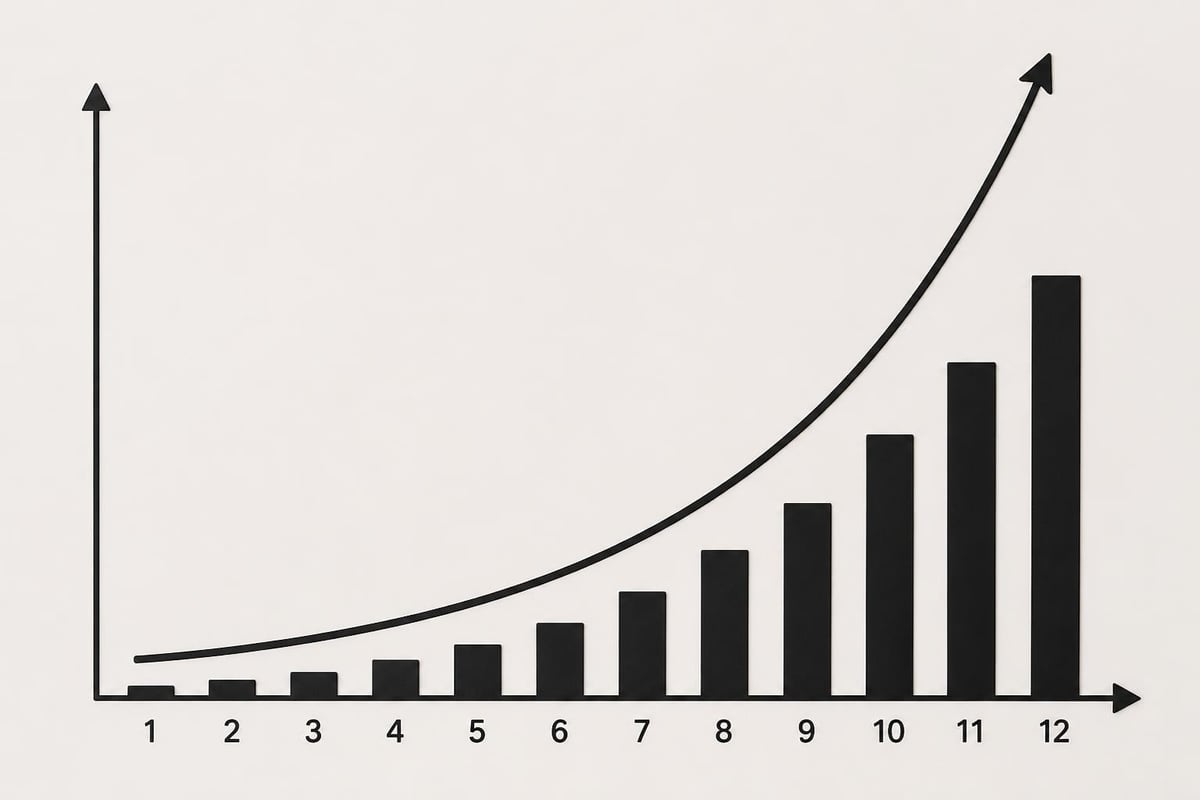
According to Shopify's detailed analysis, most businesses begin seeing measurable improvements around the four to six month mark, though this timeline accelerates or extends based on implementation quality. The key is understanding that SEO operates on a curve, not a straight line. Early months show minimal visible progress, followed by an inflection point where results accelerate rapidly.
Why SEO Takes Longer Than Paid Advertising
Unlike pay-per-click campaigns that deliver instant visibility, organic search requires building trust with search engines. Google processes over 8.5 billion searches daily and must ensure it delivers the most relevant, authoritative results to maintain user trust. This creates an inherently cautious system that rewards consistency and quality over quick wins.
Your website competes against potentially thousands of other pages targeting similar keywords, many of which have years of established authority. Breaking into these rankings requires demonstrating superior value through multiple signals simultaneously.
Month-by-Month SEO Progress Expectations
Understanding what happens during each phase of your SEO campaign helps maintain realistic expectations and avoid premature strategy abandonment. The timeline below reflects typical progress for a moderately competitive niche with consistent optimization efforts.
Months 1-3: Foundation and Initial Indexing
The first quarter focuses on technical optimization, content creation, and establishing baseline metrics. During this period, you're unlikely to see dramatic ranking improvements, but critical groundwork gets established.
Key activities and outcomes:
- Technical SEO audits and fixes implemented
- Initial keyword research and content strategy developed
- First batch of optimized content published
- Basic backlink acquisition begins
- Search Console and analytics properly configured
- Initial indexing of new or updated pages
Many businesses get discouraged during this phase because visible results remain minimal, but the foundation you build directly impacts future success rates. Your content enters Google's index, and the algorithm begins evaluating quality signals, even if rankings don't immediately reflect this work.
Months 4-6: Early Ranking Signals Emerge
This period typically marks when businesses first notice tangible improvements. Pages may start appearing on pages two through five of search results for target keywords. Long-tail, low-competition keywords often rank first, providing initial traffic increases.
| Metric | Typical Change | What It Means |
|---|---|---|
| Impressions | 50-150% increase | More pages getting indexed and showing in search |
| Average Position | Move from 40+ to 20-35 | Gradual ranking improvements beginning |
| Organic Clicks | 20-50% increase | Early traffic from long-tail rankings |
| Ranking Keywords | 30-100 new terms | Broader keyword coverage developing |
During this phase, user engagement metrics become increasingly important. Search engines monitor how visitors interact with your content, using bounce rates, time on page, and click-through rates to refine rankings.
Months 7-12: Momentum and Competitive Rankings
The second half of your first year brings accelerating returns as your content library expands, backlinks accumulate, and topical authority strengthens. Many businesses see their most significant ranking jumps during this period, particularly for medium-competition keywords.
Expected developments include:
- First-page rankings for several target keywords
- Organic traffic increases of 100-300% from baseline
- Improved domain authority metrics
- Stronger click-through rates as rankings improve
- Increased brand searches and direct traffic
- Content begins earning natural backlinks
This timeline aligns with research showing most businesses achieve meaningful SEO results between six and twelve months. The compounding effect of consistent content publication, link building, and technical optimization creates momentum that becomes increasingly difficult for competitors to counter.
Critical Factors That Influence SEO Timeline
While general timelines provide useful benchmarks, how long does SEO take for your specific situation depends on several controllable and uncontrollable factors. Understanding these variables helps you estimate more accurately and adjust strategies accordingly.
Domain Authority and Age
New websites face the longest timelines because they lack established trust signals. Search engines apply additional scrutiny to new domains to prevent spam and ensure quality. A website launched in 2026 competing against sites established in 2020 or earlier faces an inherent disadvantage that only time and quality can overcome.
Domain age impact breakdown:
- New domains (0-6 months): Expect 12-18 months for competitive terms
- Established domains (1-3 years): Typically 6-12 months for medium competition
- Mature domains (3+ years): Can rank in 3-6 months with proper optimization
Existing domains with some authority can accelerate timelines significantly, especially if they've maintained consistent publishing and avoided penalties. This advantage makes acquiring aged domains or maintaining long-term websites valuable strategic assets.
Competition Level and Industry
Your industry's competitive landscape dramatically affects timelines. Ranking for "best CRM software" in the SaaS space takes substantially longer than ranking for "commercial lawn care Tucson" in a local service market.
High-competition industries feature competitors with:
- Massive content libraries spanning thousands of pages
- Domain authority scores above 60-70
- Extensive backlink profiles with links from major publications
- Dedicated SEO teams and substantial budgets
- Years of accumulated topical authority
Realistic SEO timelines for 2026 emphasize that competitive analysis should inform your timeline expectations. Tools like domain authority checkers and keyword difficulty scores help assess what you're up against before committing to specific targets.
Content Quality and Publishing Frequency
The quality and consistency of your content publication directly correlate with results speed. Publishing one article monthly produces slower results than publishing daily, assuming quality remains high. However, publishing low-quality content frequently can actually harm your timeline by triggering quality algorithm filters.
Search engines increasingly prioritize comprehensive, well-researched content that genuinely serves user intent. Thin content targeting keywords without providing real value extends timelines because it fails to generate the engagement signals that accelerate rankings.
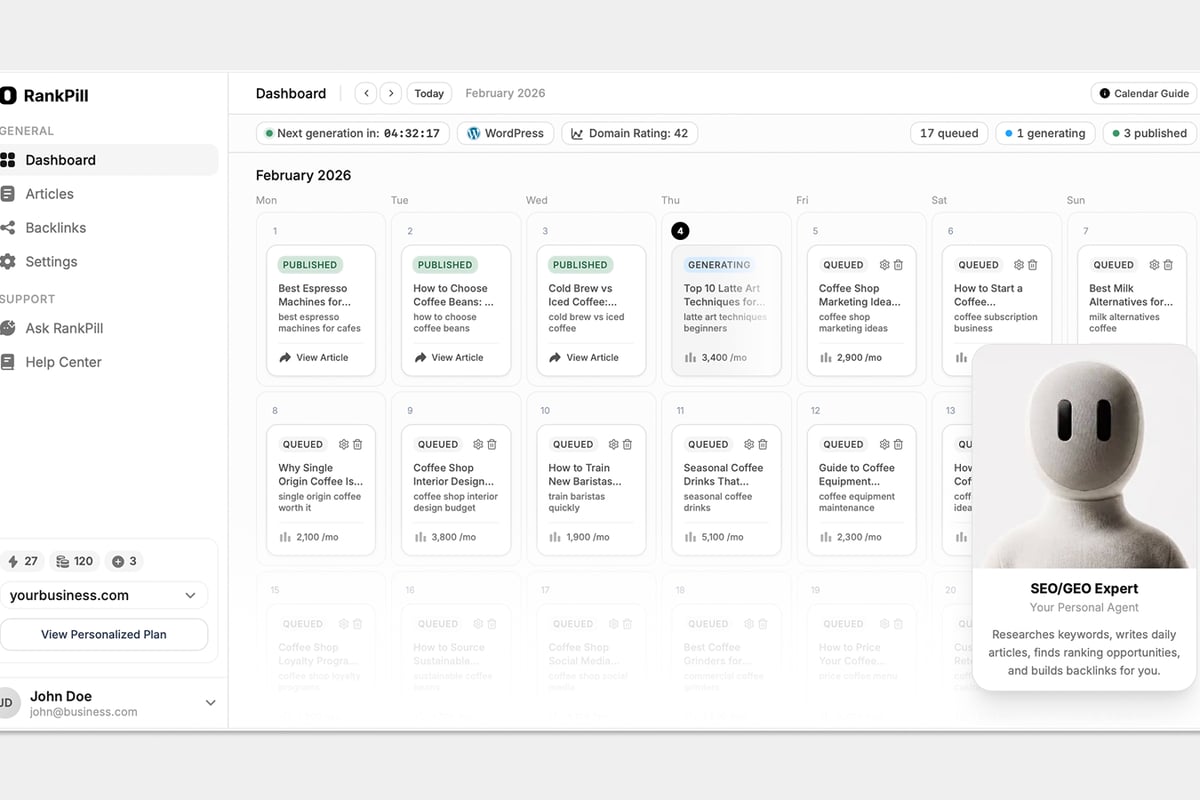
Modern SEO automation platforms help businesses maintain consistent publishing schedules without sacrificing quality. For instance, AI-powered SEO tools can research keywords, generate optimized content, and publish automatically, allowing businesses to scale content production while focusing on strategy and business operations.
Backlink Acquisition Rate and Quality
Backlinks remain one of the strongest ranking signals, and how quickly you build a quality backlink profile significantly impacts timelines. Natural link acquisition takes time as your content gets discovered and referenced by other websites.
| Backlink Strategy | Timeline Impact | Risk Level |
|---|---|---|
| Natural link earning | 12-24 months | Very Low |
| Guest posting | 6-12 months | Low |
| Resource link building | 6-18 months | Low |
| Reciprocal exchanges | 3-9 months | Medium (if overdone) |
| Purchased links | 1-3 months | Very High (potential penalty) |
Quality matters more than quantity in 2026. A single link from an authoritative industry publication carries more weight than dozens of links from low-quality directories. Building relationships with complementary businesses and creating genuinely linkable content provides the best long-term results, though it requires patience.
Technical SEO and Its Timeline Impact
Technical optimization serves as the foundation enabling your content and backlinks to perform effectively. Poor technical SEO can extend timelines indefinitely, while excellent technical implementation accelerates results.
Site Speed and Core Web Vitals
Page speed directly affects both user experience and search rankings. Google's Core Web Vitals became ranking factors in 2021 and continue growing in importance. Sites with poor performance metrics face longer timelines because they compete with a handicap.
Critical technical factors include:
- Largest Contentful Paint (LCP) under 2.5 seconds
- First Input Delay (FID) under 100 milliseconds
- Cumulative Layout Shift (CLS) under 0.1
- Mobile responsiveness and usability
- HTTPS security implementation
Addressing technical issues early prevents wasted months of content creation and link building on a foundation that can't support rankings. Most businesses see immediate improvements in crawl efficiency and indexing speed after technical optimization, even if rankings take longer to reflect these changes.
Site Architecture and Internal Linking
How you structure your website and connect pages through internal links affects how search engines understand your topical authority. Proper internal linking helps distribute page authority throughout your site and establishes content relationships.
A well-planned site architecture allows new content to rank faster because it inherits authority from established pages. Understanding how to structure content for AI and search engines becomes increasingly important as search evolves beyond traditional keyword matching toward semantic understanding.
Industry-Specific SEO Timelines
Different industries face vastly different competitive landscapes and user behaviors that affect how long does SEO take to produce results. Tailoring expectations to your specific market helps set realistic goals and maintain stakeholder buy-in during the growth period.
E-commerce and Product Pages
Online retail faces intense competition but benefits from product-specific searches with clear commercial intent. New e-commerce sites typically need 9-15 months to establish meaningful organic traffic, while established stores adding new product categories may see results in 4-8 months.
Product pages rank faster than category pages because they target more specific, less competitive long-tail keywords. Building topical clusters around product categories accelerates the timeline by establishing category-level authority that benefits individual product pages.
Local Service Businesses
Local SEO operates differently from national organic search, with faster timelines possible for businesses targeting specific geographic areas. Local businesses can see first-page rankings within 3-6 months for location-specific keywords, especially with optimized Google Business Profile integration.
Local SEO advantages include:
- Lower competition in specific geographic areas
- Google Business Profile providing additional ranking opportunities
- Location-based keywords with clearer intent
- Reviews and local citations providing quick authority signals
- Map pack results offering visibility alternatives
However, highly competitive local markets like legal services or real estate in major cities face timelines similar to national campaigns due to saturation and aggressive competitors.
B2B and SaaS Companies
Business-to-business companies and software services typically face 12-18 month timelines due to complex buyer journeys, technical topics, and sophisticated competition. However, B2B SEO often delivers higher-value conversions that justify the extended timeline.
B2B content marketing strategies require depth and expertise that takes time to develop and for search engines to recognize. Creating comprehensive resources, case studies, and thought leadership content builds authority gradually but creates sustainable competitive advantages.
Common Mistakes That Extend SEO Timelines
Understanding what slows SEO progress helps you avoid common pitfalls that unnecessarily extend timelines. Many businesses add months or years to their SEO journey through preventable mistakes.
Keyword Targeting Errors
Targeting keywords that are too competitive for your current authority level wastes months of effort. Beginning with impossibly difficult keywords means your content never gains traction, extending timelines indefinitely. Starting with achievable long-tail keywords builds momentum and authority that eventually enables competing for more difficult terms.
Keyword cannibalization, where multiple pages target identical keywords, confuses search engines and dilutes ranking power. This common mistake extends timelines because your pages compete against each other rather than competitors.
Inconsistent Publishing and Optimization
Stop-and-start SEO efforts reset progress and extend timelines dramatically. Search engines reward consistency and penalize sporadic activity that suggests abandonment. A website publishing daily for two months then going silent for four months will see worse results than one publishing twice weekly consistently.
Ignoring User Experience Signals
Modern SEO extends beyond keywords and links to encompass complete user experience. High bounce rates, poor mobile experiences, and confusing navigation send negative signals that slow ranking improvements. Search engines increasingly use engagement metrics to validate rankings, making user experience optimization essential for timeline acceleration.
Measuring SEO Progress Before Rankings Appear
Tracking the right metrics helps you confirm progress even when rankings haven't yet improved significantly. These leading indicators predict future ranking success and help maintain confidence during the early months.
Key metrics to monitor monthly:
- Total indexed pages increasing
- Impressions growing in Search Console
- Average position trending upward (even if slowly)
- Number of ranking keywords expanding
- Backlink count and referring domains increasing
- Pages earning featured snippets or other SERP features
- Organic branded search volume growing
Research on realistic SEO timelines emphasizes that consistent improvement in these metrics, even without top rankings, indicates your strategy is working and results will accelerate.
Accelerating Your SEO Timeline Strategically
While SEO inherently requires time, certain strategies can compress timelines without resorting to risky shortcuts. These approaches focus on efficiency and maximizing the impact of every optimization effort.
Focus on Low-Competition, High-Value Keywords
Strategic keyword selection dramatically affects how quickly you see results. Identifying keywords with commercial intent but lower competition allows you to rank faster and generate revenue while building authority for more competitive terms.
Long-tail keywords with three or more words typically rank 3-6 months faster than broad head terms. These specific queries often convert better because they indicate more defined user intent.
Leverage Content Clusters and Topical Authority
Building comprehensive content clusters around core topics establishes topical authority faster than scattering content across unrelated subjects. When search engines recognize your site as an authority on specific topics, new content in those areas ranks more quickly.
Effective cluster strategy includes:
- Pillar pages covering broad topic overviews
- Supporting articles addressing specific subtopics
- Strategic internal linking connecting related content
- Consistent terminology and entity references
- Comprehensive coverage demonstrating expertise
This approach creates compounding benefits where each new piece of content strengthens the entire cluster's authority, accelerating results for all related pages.
Automate Consistent Content Production
Maintaining consistent publishing schedules challenges many businesses, especially small teams with limited resources. Automation tools help maintain the consistency that search engines reward without overwhelming your team.
Platforms that handle keyword research, content creation, and publishing automatically allow businesses to maintain daily or weekly publishing schedules that would otherwise require large content teams. This consistency accelerates timelines by continuously feeding search engines fresh, relevant content that expands your topical coverage.
Setting Realistic Expectations for Stakeholders
Managing expectations with executives, clients, or team members represents one of the most challenging aspects of SEO. The question of how long does SEO take often comes with pressure for faster results, making clear communication essential.
Creating Milestone-Based Timelines
Rather than promising specific rankings by certain dates, establish milestone-based expectations that demonstrate progress:
| Milestone | Timeline | Success Indicators |
|---|---|---|
| Technical foundation | Month 1-2 | All technical issues resolved, analytics configured |
| Content library launch | Month 2-4 | First 20-30 optimized articles published |
| Initial indexing | Month 3-5 | 80%+ of content indexed, first ranking keywords |
| Early rankings | Month 5-7 | 10+ keywords ranking in top 50 positions |
| Traffic growth | Month 7-10 | 50-100% traffic increase from baseline |
| Revenue impact | Month 10-14 | Measurable conversions from organic traffic |
These milestones provide concrete progress markers that build confidence even before dramatic ranking improvements appear. Celebrating early wins maintains momentum and stakeholder support through the longer journey.
Comparing SEO to Alternative Channels
Contextualizing SEO timelines against other marketing channels helps stakeholders understand the trade-offs. While SEO takes 6-12 months for substantial results, it builds sustainable assets that continue generating returns for years. Paid advertising delivers immediate traffic but stops completely when budgets pause.
According to comprehensive timeline guides, businesses that maintain SEO efforts for 18-24 months typically achieve cost-per-acquisition rates 40-60% lower than paid channels while building brand equity and market position.
When to Expect Competitive Rankings
Reaching first-page positions for competitive keywords represents the ultimate SEO goal for most businesses, but timelines vary dramatically based on competition intensity. Understanding these differences helps set appropriate targets.
Low Competition Keywords (Difficulty 0-30)
These keywords typically feature fewer than 20 high-quality pages competing for rankings. New websites can achieve top-10 positions within 3-6 months with quality content and basic optimization. Examples include specific long-tail queries, local services in small markets, or niche technical topics with limited coverage.
Medium Competition Keywords (Difficulty 31-60)
Medium-difficulty keywords require more substantial authority and typically take 6-12 months for newer sites or 3-6 months for established domains. These keywords feature dozens of optimized pages but lack the dominant authority sites that make ranking nearly impossible.
Strategic approaches like building comprehensive content clusters and acquiring quality backlinks can compress these timelines. Consistent publishing and strong user engagement signals accelerate progress in this range.
High Competition Keywords (Difficulty 61-100)
Highly competitive terms dominated by major brands and authoritative sites require 12-24 months or longer for most businesses. These keywords demand exceptional content quality, substantial backlink profiles, and strong domain authority. Many businesses find better ROI targeting multiple medium-competition keywords rather than single high-competition terms.
The Compounding Effect of Long-Term SEO
The most significant advantage of SEO reveals itself after the initial 12-18 month investment period. Unlike paid advertising that requires continuous spending for continued results, SEO creates compounding returns that accelerate over time.
Long-term SEO advantages include:
- Each new piece of content adds to your rankable asset base
- Backlinks continue providing value indefinitely
- Topical authority makes new content rank faster
- Existing rankings require less maintenance than acquisition
- Brand recognition from consistent visibility reduces future timeline needs
Businesses maintaining SEO efforts for 24-36 months often see exponential rather than linear growth as these compounding factors align. Understanding how AI and traditional search work together becomes increasingly important as search evolves, but the fundamental principle of building valuable content assets remains constant.
Understanding how long does SEO take helps you build realistic strategies and maintain commitment through the early months when progress feels slow. While most businesses see meaningful results within six to twelve months, the specific timeline depends on competition, content quality, technical optimization, and consistency. Rather than seeking shortcuts that risk penalties, focus on building sustainable SEO practices that compound over time. RankPill automates the most time-intensive aspects of SEO, including keyword research, content creation, and backlink building, helping you maintain the consistency that accelerates timelines while focusing on strategic business growth.
Unlock Traffic on Autopilot
Grow organic traffic on autopilot. RankPill will research, write, optimize, and publish articles to your website daily.
 WordPress