
How to Rank on ChatGPT in 2026: AI SEO Strategies

Modest Mitkus
May 13, 2026
As artificial intelligence reshapes how people find information online, understanding how to rank on ChatGPT has become essential for businesses looking to maintain visibility in 2026. ChatGPT and similar AI search tools represent a fundamental shift in discovery behavior, where users ask conversational questions and receive curated answers instead of clicking through ten blue links. Getting cited as a source in these AI-generated responses creates a new visibility channel that complements traditional search engine optimization, but the ranking factors and strategies differ significantly from what works on Google alone.
Understanding ChatGPT's Citation Mechanisms
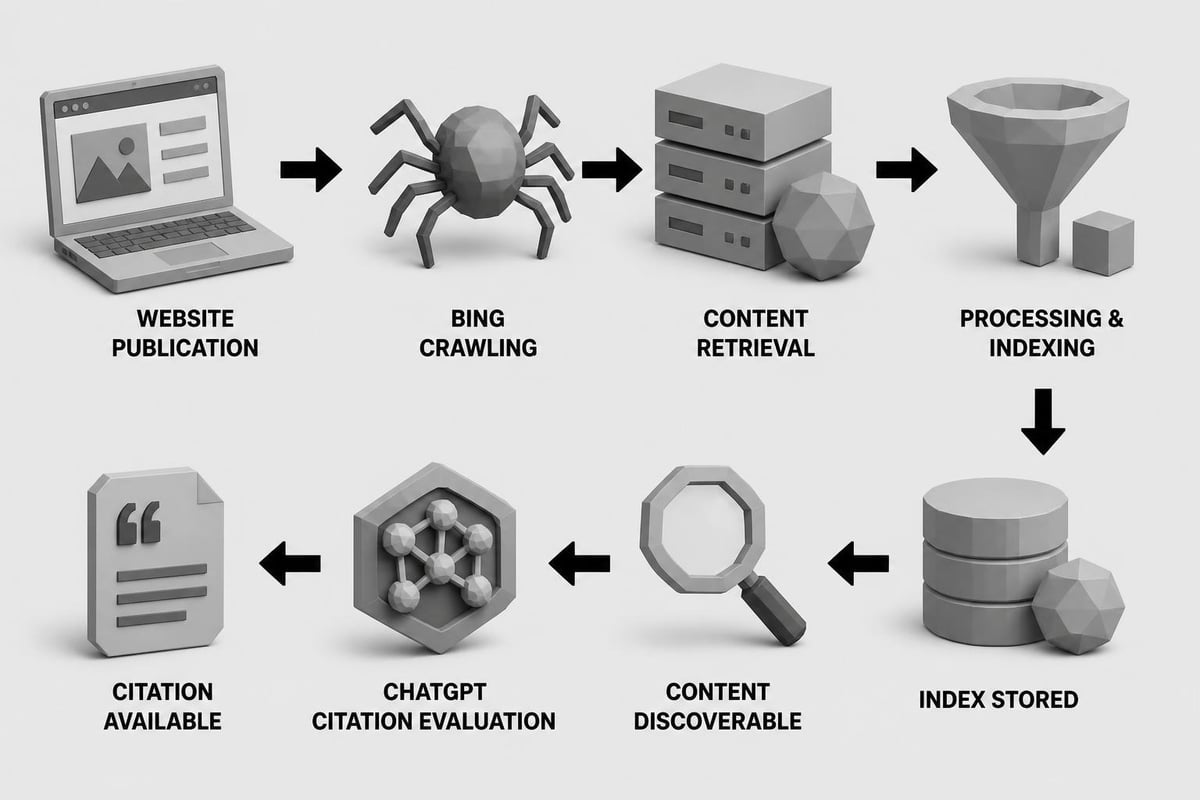
ChatGPT doesn't operate like a traditional search engine with its own crawlers and index. Instead, it relies heavily on Bing's search infrastructure to retrieve current information and source citations. When ChatGPT needs to answer queries requiring recent data or specific recommendations, it searches Bing's index and evaluates which sources best match the user's intent.
This dependency creates an interesting dynamic for anyone trying to rank on ChatGPT. Your content must first perform well in Bing's search results before ChatGPT can consider it as a citation source. The AI then applies additional filters based on authority, relevance, content structure, and trustworthiness to determine which sources to cite in its responses.
The Bing Indexing Foundation
Getting indexed and ranked in Bing forms the baseline requirement. Submit your sitemap directly to Bing Webmaster Tools and verify that your pages appear in Bing's index. Monitor your Bing rankings separately from Google, as the algorithms prioritize different signals.
Key Bing optimization factors include:
- Clean, crawlable site architecture
- Fast page load speeds across devices
- Mobile-responsive design
- Secure HTTPS implementation
- Regular content updates and freshness signals
Bing tends to value exact-match domains more heavily than Google and places significant weight on social signals from platforms like Facebook and LinkedIn. Building authority across multiple channels strengthens your foundation for ChatGPT visibility.
Content Structure for AI Understanding
ChatGPT analyzes content differently than human readers browsing a webpage. The AI needs clear, logically structured information that it can parse, understand, and synthesize into coherent answers. Formatting your content for machine readability directly impacts how to rank on ChatGPT successfully.
Semantic HTML and Heading Hierarchy
Use proper HTML heading tags (H1, H2, H3) to create a clear content outline. Each section should have a descriptive heading that accurately reflects the content beneath it. This hierarchical structure helps ChatGPT understand the relationships between different topics and subtopics within your article.
Avoid keyword stuffing in headings. Instead, use natural language that matches how people actually ask questions. "How to Choose the Right Keywords" works better than "Keyword Selection Guide Tips Strategies."
Structured Data Implementation
Schema.org markup provides explicit context about your content's meaning and structure. Implementing structured data correctly helps ChatGPT categorize your content accurately and understand what problems it solves.
| Schema Type | Use Case | ChatGPT Benefit |
|---|---|---|
| Article | Blog posts, guides | Clear publication date, author, topic |
| HowTo | Step-by-step tutorials | Structured process understanding |
| FAQPage | Question and answer content | Direct question-answer mapping |
| Product | Product pages, reviews | Specifications, ratings, availability |
Implement multiple schema types where appropriate. A product review article might use Article, Product, and Review schemas simultaneously to provide comprehensive context.
Direct Answer Formats
ChatGPT frequently pulls direct answers from content that explicitly answers common questions. Structure sections of your content to provide clear, concise answers followed by supporting detail.
Start paragraphs with definitive statements: "The best approach for X is Y." Then elaborate on why, how, and when. This pattern gives ChatGPT quotable answers while maintaining depth for human readers who want more context.
Building Topical Authority
ChatGPT prioritizes sources that demonstrate comprehensive expertise in specific domains. A website that publishes hundreds of quality articles about AI and SEO carries more weight than a generalist blog with occasional SEO content.
Content Depth and Comprehensiveness
Surface-level content rarely gets cited. Your articles need to cover topics thoroughly, addressing multiple angles, common questions, edge cases, and practical applications. A 500-word overview won't compete with a 2,500-word comprehensive guide that answers every relevant question about the topic.
Characteristics of comprehensive content:
- Addresses the main topic plus related subtopics
- Includes data, examples, and case studies
- Covers beginner through advanced perspectives
- Anticipates and answers follow-up questions
- Provides actionable takeaways
Research what questions people actually ask about your topic. Look at "People Also Ask" boxes in Google, analyze Reddit discussions, and review competitor content to identify gaps you can fill.
Content Clusters and Internal Linking
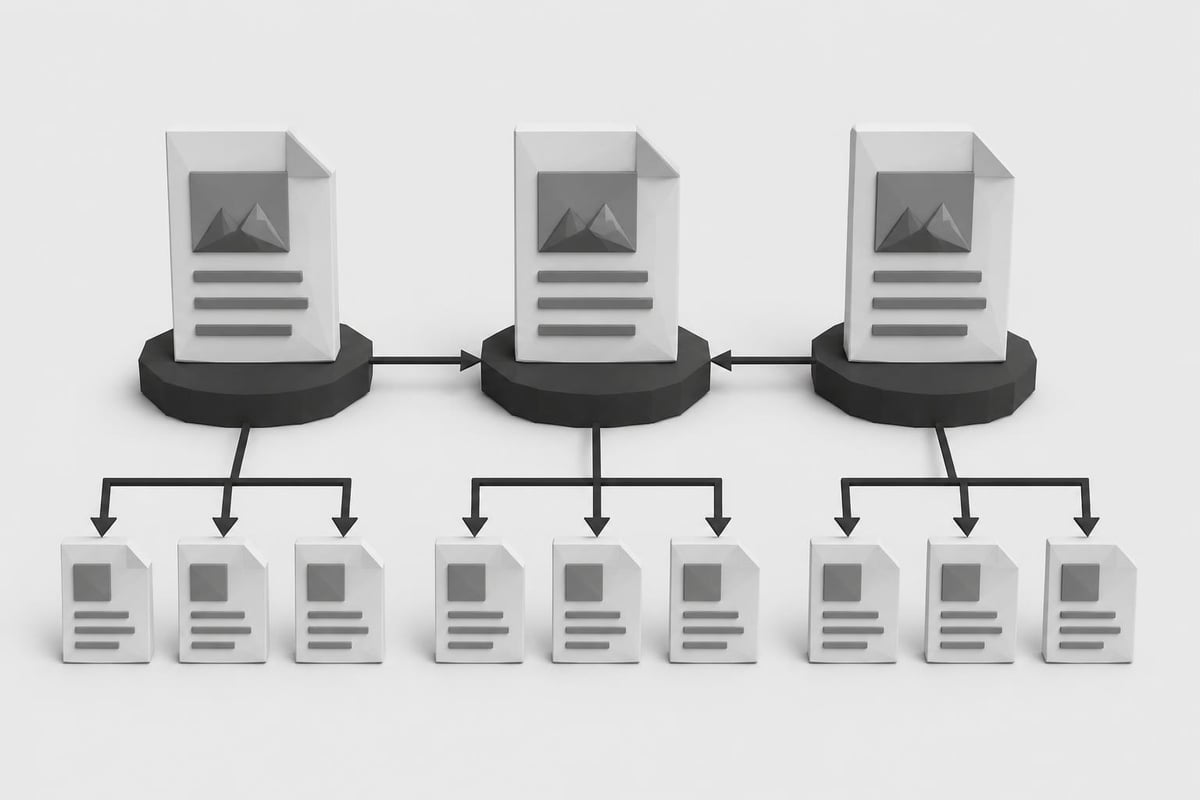
Organize content into topic clusters with a comprehensive pillar page linking to detailed subtopic articles. This structure demonstrates expertise across an entire subject area rather than isolated topics.
For example, a pillar page about AI traffic generation might link to detailed articles about specific AI search platforms, optimization techniques, and measurement strategies. Each cluster article links back to the pillar and cross-links to related subtopics.
This interconnected structure helps ChatGPT understand your site's expertise boundaries and makes your content easier to surface for related queries.
Technical Optimization for AI Crawlers
Beyond content quality, technical factors determine whether ChatGPT can access, understand, and cite your content. These technical elements create the foundation for how to rank on ChatGPT alongside content strategy.
Page Speed and Performance
AI systems accessing your content during real-time searches need fast responses. Page load times exceeding three seconds create friction that may cause the AI to skip your content entirely in favor of faster-loading alternatives.
Optimize images, minimize JavaScript, leverage browser caching, and use content delivery networks (CDNs) to ensure rapid loading regardless of geographic location. Test performance from multiple locations using tools like Google PageSpeed Insights and GTmetrix.
Mobile Optimization
ChatGPT doesn't distinguish between mobile and desktop content, but Bing's index does. Since Bing influences which sources ChatGPT can access, mobile-friendly design remains critical. Responsive layouts, readable fonts without zooming, and touch-friendly navigation all contribute to better indexing.
Verify mobile usability through Bing Webmaster Tools and address any flagged issues promptly. Mobile-first indexing means your mobile version determines your ranking potential.
Crawl Budget Optimization
Help search engines crawl your most important content efficiently. Use robots.txt to block low-value pages like admin sections, search results, and pagination pages. Submit XML sitemaps that include only high-quality, indexable content.
Monitor crawl errors in Bing Webmaster Tools and fix broken links, redirect chains, and server errors that waste crawl budget. The faster Bing can crawl and index your best content, the sooner ChatGPT can consider it for citations.
Creating Citation-Worthy Content
Not all well-ranked content gets cited by ChatGPT. The AI applies additional filters based on how well content serves users asking conversational questions. Understanding content quality signals helps create material ChatGPT preferentially cites.
Authoritative Sources and Citations
ChatGPT favors content that cites credible sources. Include links to research studies, industry reports, government data, and established authorities within your content. This demonstrates that your information builds on verified knowledge rather than opinion alone.
Citation best practices:
- Link to primary sources when referencing data or statistics
- Cite recent publications (within the last 2-3 years when possible)
- Use diverse source types (academic, industry, government)
- Provide context for why each source matters
Avoid citing only your own content or competitors. External validation strengthens credibility significantly.
Clear, Conversational Language
ChatGPT excels at natural language understanding but still performs best with clear, direct communication. Write in active voice, use concrete examples, and avoid unnecessary jargon that obscures meaning.
Match the language people use when asking questions. If users ask "how do I rank on ChatGPT" rather than "what are ChatGPT ranking optimization methodologies," use the former phrasing throughout your content.
Freshness and Update Frequency
Recently published or updated content signals relevance and accuracy. ChatGPT tends to favor sources with recent publication dates when multiple options provide similar quality answers.
Regularly update cornerstone content with new information, current examples, and refreshed data. Add publication and last-updated dates prominently so both AI systems and human readers can assess timeliness.
Maintaining consistent publishing schedules through automated SEO workflows helps establish your site as an active, authoritative source that deserves regular crawling and consideration.
Brand Mentions and Digital PR
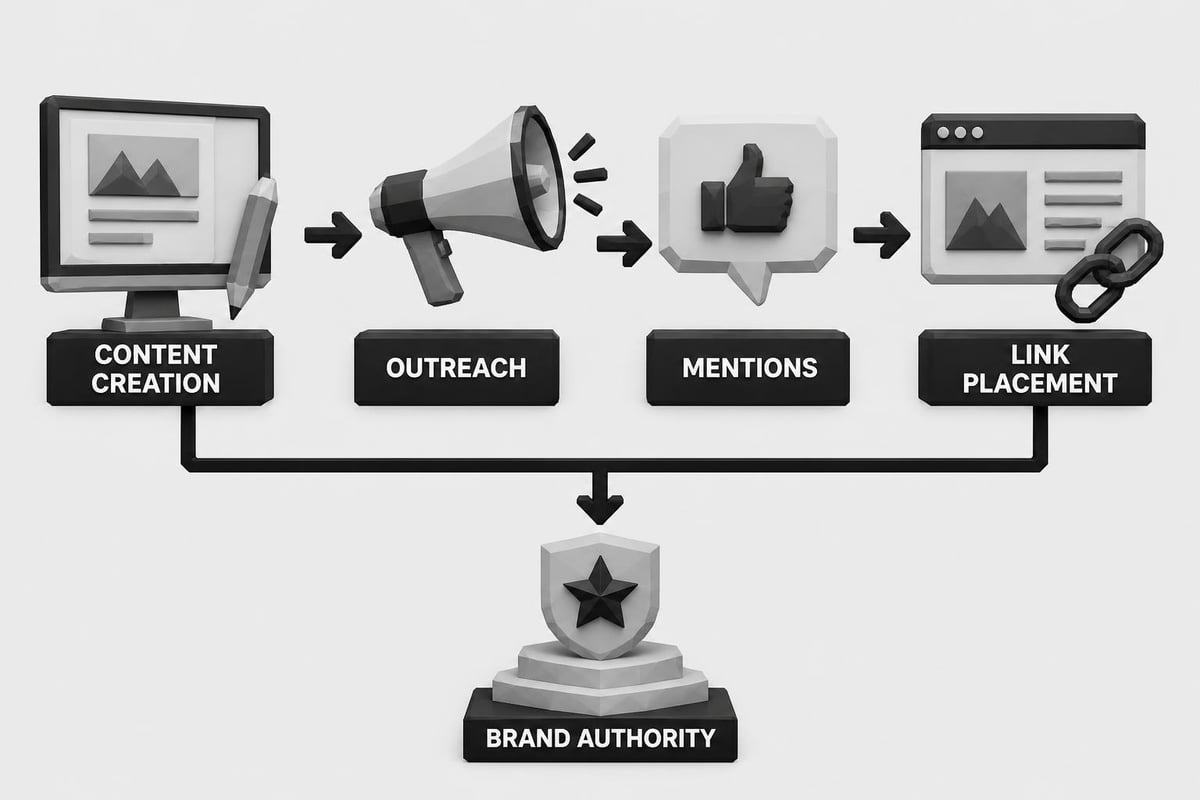
ChatGPT doesn't just evaluate individual pages in isolation. It considers broader brand signals when determining which sources to trust and cite. Building brand recognition across the web strengthens your overall authority.
Earning Unlinked Mentions
When other websites, forums, social media posts, and news articles mention your brand without linking, they still contribute to authority. These unlinked citations demonstrate brand recognition that ChatGPT can detect and factor into source evaluation.
Focus on creating genuinely useful resources, tools, or research that others want to reference. Original studies, free tools, comprehensive guides, and unique data all generate natural mentions across the web.
Building Backlink Authority
Traditional backlinks remain important for Bing rankings, which directly influence ChatGPT citation potential. Quality matters far more than quantity. A single link from a highly authoritative domain in your niche carries more weight than dozens of low-quality directory links.
Effective backlink strategies:
- Create linkable assets (tools, research, visualizations)
- Guest post on established industry publications
- Participate in expert roundups and interviews
- Develop partnerships with complementary businesses
- Engage authentically in industry communities
Focus on earning links from domains that ChatGPT already cites regularly. These authoritative sources pass credibility that the AI recognizes and values.
User Engagement Signals
While ChatGPT doesn't directly access Google Analytics data, user engagement metrics influence Bing rankings and content quality signals. High engagement indicates content that satisfies user intent, which aligns with ChatGPT's citation goals.
Reducing Bounce Rates
Visitors who immediately leave after landing suggest content doesn't match their expectations. Improve engagement by:
- Delivering on headline promises immediately
- Using compelling introductions that preview value
- Breaking up text with visuals and formatting
- Providing clear navigation to related content
Match content format to search intent. Informational queries need comprehensive guides, while transactional queries need clear product information and next steps.
Encouraging Dwell Time
The longer visitors spend engaging with your content, the stronger the quality signal. Create content that rewards deeper reading through insights that build progressively rather than front-loading all value in the introduction.
Use internal links strategically to guide readers to related content that extends their visit. A visitor who reads three related articles signals much higher content value than one who reads a single page and leaves.
Content Readability
Both human readers and AI systems benefit from clear, scannable content. Use short paragraphs, bullet points, numbered lists, bold text for emphasis, and descriptive subheadings that allow quick scanning.
Tools like Hemingway Editor and Grammarly can identify overly complex sentences, passive voice, and readability issues. Aim for an 8th to 10th-grade reading level for most business content unless your audience specifically demands technical depth.
Measuring ChatGPT Visibility
Unlike traditional search engines, ChatGPT doesn't provide a rankings dashboard or analytics. Measuring how to rank on ChatGPT requires indirect methods and manual testing.
Direct Testing and Monitoring
Regularly query ChatGPT with questions your content should answer. Document which sources it cites and whether your content appears. Track this over time to identify trends and improvements.
Test variations:
- Different question phrasings for the same topic
- Broad versus specific queries
- Questions at different expertise levels
- Local versus general versions of queries
Create a spreadsheet tracking query, date, whether you appeared, and which competitors got cited. This longitudinal data reveals patterns in what content ChatGPT favors.
Bing Performance Analysis
Since Bing rankings strongly influence ChatGPT citations, monitor your Bing Webmaster Tools data closely. Track:
| Metric | Significance | Target |
|---|---|---|
| Index coverage | Pages available for citations | 100% of quality content |
| Average position | Ranking strength | Top 5 for target keywords |
| Click-through rate | Content appeal | Above industry average |
| Crawl frequency | Site importance | Daily for key pages |
Improvements in Bing performance typically precede increased ChatGPT citations within weeks as the AI's training data and search integration update.
Brand Mention Tracking
Use tools like Google Alerts, Mention, or Brand24 to track when and where your brand gets mentioned across the web. Growing mention volume and mention quality (authoritative sources) correlate with stronger ChatGPT citation potential.
Pay attention to the context of mentions. Positive mentions in problem-solving contexts (how-to guides, recommendations, comparisons) carry more weight than simple directory listings.
Content Formats That Perform Well
Certain content types consistently earn ChatGPT citations more frequently than others. Understanding which formats work helps inform your content strategy.
Step-by-Step Guides
ChatGPT frequently cites detailed tutorials when users ask "how to" questions. These guides perform well because they provide clear, actionable processes that the AI can synthesize into helpful responses.
Number your steps explicitly, provide context for each step, and explain both what to do and why it matters. Include common pitfalls and how to avoid them.
Comparison Articles
Content that objectively compares options helps ChatGPT answer queries about choosing between alternatives. Use consistent criteria across all options, present information in tables for clarity, and include pros and cons for each choice.
Avoid overly promotional comparison content that heavily favors your own product. Balanced, honest comparisons earn more trust and citations.
Data-Driven Research
Original research, surveys, and data analysis provide unique value that ChatGPT can't find elsewhere. When you publish original data, you become the primary source that AI systems must cite when referencing those findings.
Present data clearly with visualizations, explain methodology transparently, and draw actionable conclusions from the numbers.
FAQ Content
Explicitly answering common questions in FAQ format maps perfectly to how ChatGPT processes and responds to queries. Structure FAQs with clear questions as headings and concise, complete answers immediately following.
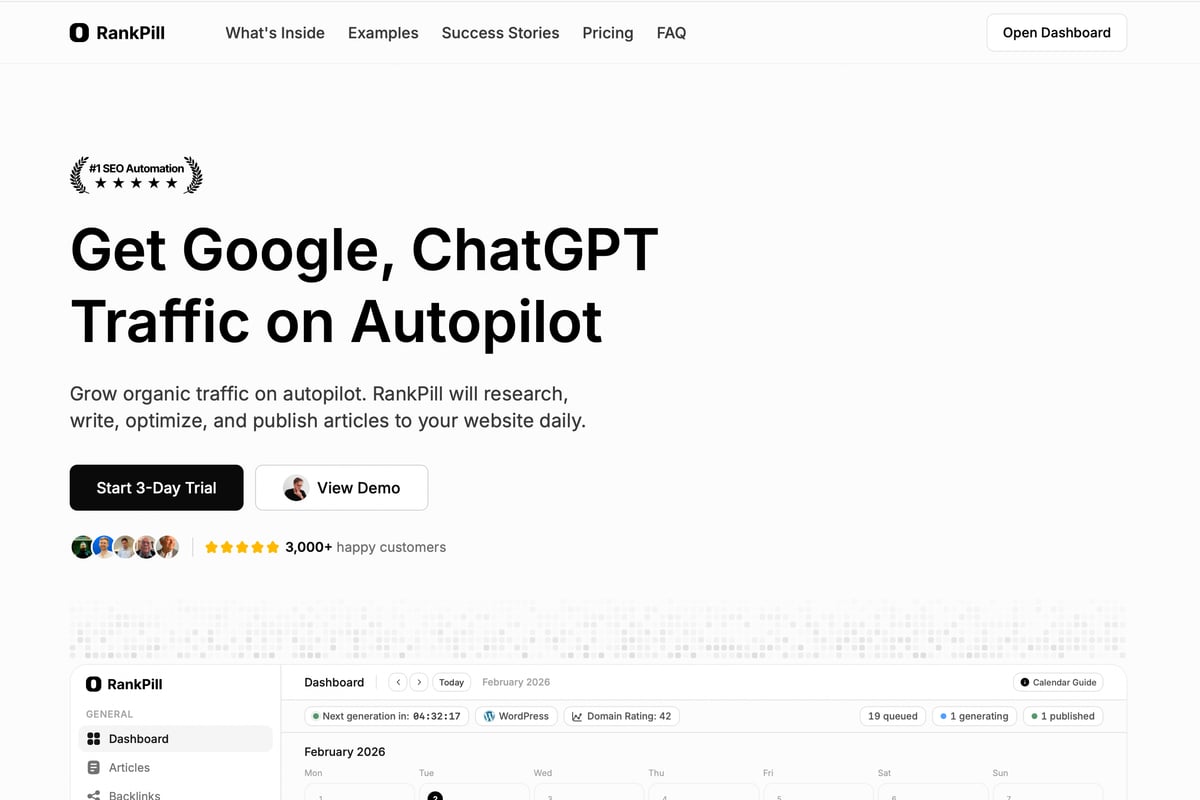
For businesses using platforms like RankPill, automating the creation of comprehensive, FAQ-rich content that targets both traditional and AI search helps maintain consistent visibility across both discovery channels. The platform's ability to research keywords, structure content optimally, and publish regularly ensures you're creating the citation-worthy material ChatGPT favors.
Avoiding Common Mistakes
Many optimization efforts fail because they apply outdated SEO tactics that don't work for AI search. Understanding what to avoid saves time and prevents penalties.
Over-Optimization and Keyword Stuffing
ChatGPT's natural language processing detects forced, unnatural keyword usage. Focusing on conversational, helpful content works better than cramming keywords into every sentence.
Write for humans first, then verify you've naturally included relevant terms. The keyword density that works for Google often feels excessive for AI-native content evaluation.
Thin Content
Publishing numerous short articles targeting different keywords doesn't build the authority ChatGPT values. Consolidate related topics into comprehensive resources rather than fragmenting information across dozens of shallow pages.
A single 3,000-word comprehensive guide typically outperforms ten 300-word articles covering the same topic area.
Ignoring Technical Foundations
Great content can't overcome technical barriers. Broken sites, slow loading, poor mobile experience, and crawl issues prevent even excellent content from getting cited.
Address technical SEO systematically before investing heavily in content creation. Use tools from Bing Webmaster Tools and analyze your website content to identify and fix foundation issues first.
Copying Competitor Content
ChatGPT recognizes and devalues duplicate or near-duplicate content. Copying what competitors publish may help you rank initially but won't earn AI citations.
Add unique perspectives, original research, deeper analysis, or more current information. Differentiate your content in ways that provide value beyond what already exists.
Adapting to AI Search Evolution
Understanding how to rank on ChatGPT in 2026 requires accepting that the landscape continues evolving rapidly. What works today may need adjustment as AI capabilities and user behaviors change.
Monitoring AI Search Trends
Stay informed about updates to ChatGPT, new AI search competitors, and changing citation patterns. Follow industry publications, join SEO communities, and participate in discussions about AI search optimization.
Test new content formats and approaches regularly. Early adoption of emerging best practices often provides temporary advantages before they become standard practice.
Maintaining Flexibility
Build content systems that can adapt quickly rather than rigid workflows optimized for a single platform. Automated SEO tools that handle research, creation, and optimization let you pivot strategies without completely overhauling manual processes.
Focus on creating genuinely valuable content that serves user needs regardless of how they discover it. This user-first approach remains effective across platform changes and algorithm updates.
Diversifying Discovery Channels
Don't abandon traditional SEO while optimizing for ChatGPT. The platforms work synergistically, and strong Google rankings often correlate with ChatGPT citations. Maintain visibility across:
- Traditional search engines (Google, Bing)
- AI search platforms (ChatGPT, Perplexity)
- Social media platforms
- Industry communities and forums
- Email and direct channels
Diversification protects against algorithm changes on any single platform and builds the multi-channel authority signals that strengthen overall visibility.
Optimizing for how to rank on ChatGPT requires combining traditional SEO foundations with new strategies specific to AI search behavior, from Bing indexing and structured data to citation-worthy content formats and brand authority building. RankPill automates this entire process, researching keywords, creating optimized content, and publishing consistently to build the comprehensive topical authority that both Google and ChatGPT reward, helping you capture traffic from traditional and AI search simultaneously without the manual effort.