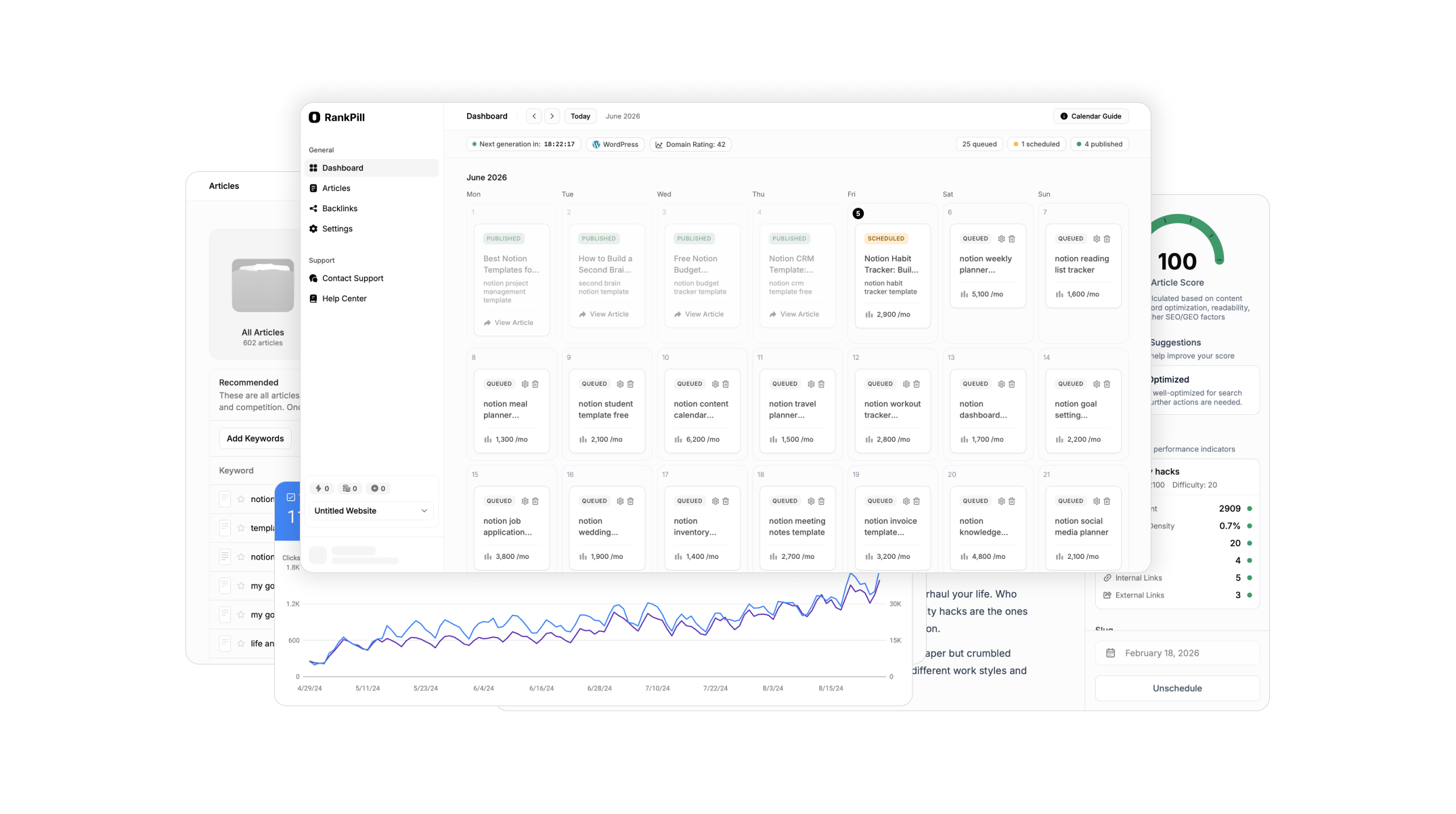
SEO Auto Pilot: Automating Your Content Strategy

Modest Mitkus · April 8, 2026
The modern digital landscape demands consistent, high-quality content that ranks well in search engines. Yet many businesses struggle to maintain the pace required to compete effectively. This challenge has given rise to SEO auto pilot systems that automate the entire content creation and optimization process. By leveraging artificial intelligence and machine learning, these platforms handle everything from keyword research to content publishing, allowing businesses to scale their organic traffic without expanding their team or budget proportionally.
Understanding SEO Auto Pilot Systems
SEO auto pilot refers to automated platforms that handle the complete content lifecycle with minimal human intervention. These systems perform keyword research, generate optimized articles, incorporate multimedia elements, and publish content on predetermined schedules. The automation extends beyond simple content generation to include competitor analysis, internal linking strategies, and performance tracking.
The foundation of any effective SEO auto pilot system rests on sophisticated algorithms that understand search intent and content quality standards. Modern platforms analyze top-ranking pages for target keywords, identifying patterns in structure, depth, and topical coverage. This intelligence informs the content creation process, ensuring each article meets the benchmarks established by successful competitors.
Key Components of Automated SEO
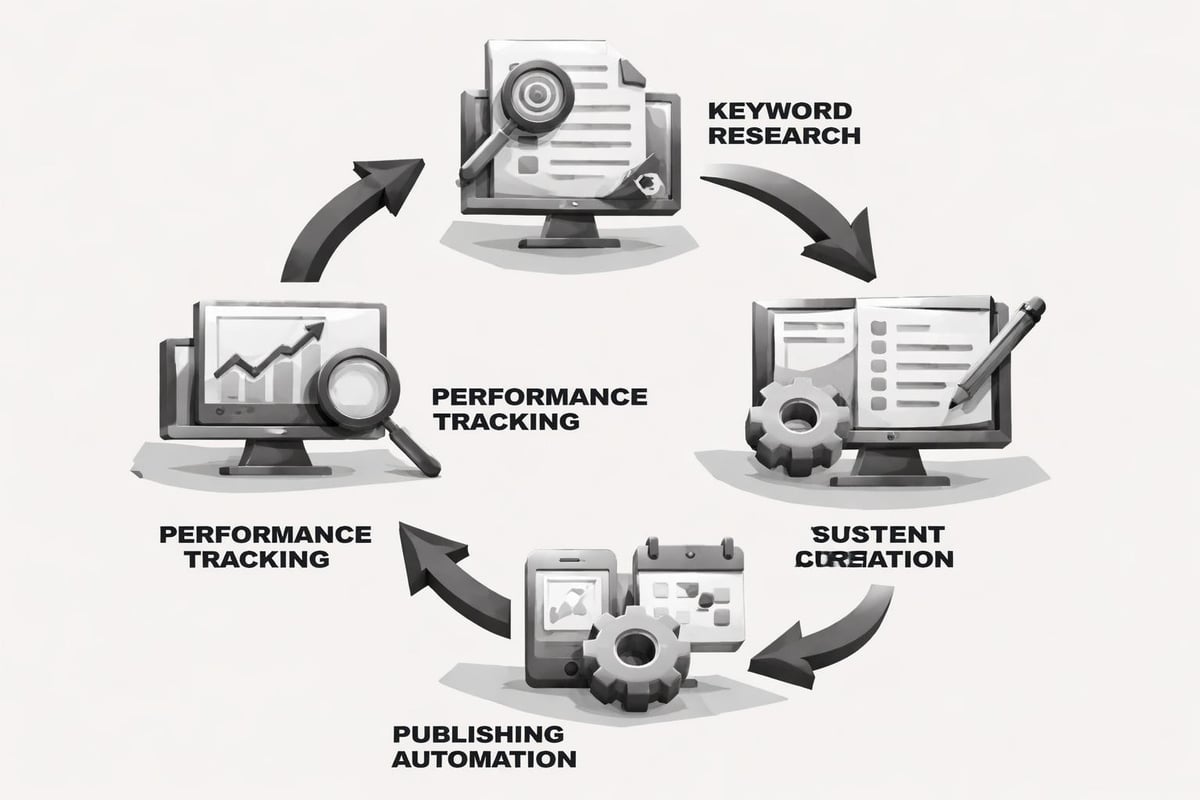
Several critical elements work together to create a functioning SEO auto pilot system:
- Keyword intelligence engines that identify opportunities based on search volume, competition, and relevance
- Content generation modules powered by advanced language models trained on high-performing web content
- Publishing automation that integrates with major content management systems
- Performance monitoring that tracks rankings, traffic, and engagement metrics
- Optimization loops that refine strategies based on real-world results
These components operate continuously, creating a feedback system that improves over time. Unlike manual SEO efforts that depend on periodic reviews and updates, automated systems monitor performance daily and adjust strategies accordingly.
Benefits of Running SEO on Auto Pilot
The advantages of implementing an SEO auto pilot approach extend far beyond simple time savings. Businesses gain consistent content output that maintains quality standards while dramatically reducing costs compared to traditional agency models or in-house teams.
Cost Efficiency and Scale
Traditional SEO content creation involves significant expenses. Agencies typically charge between $5,000 and $15,000 monthly for comprehensive services, while in-house writers and SEO specialists command substantial salaries. Automated platforms reduce these costs by 90% or more while increasing output volume.
RankPill exemplifies this efficiency, delivering 30 fully optimized articles monthly for just $99, bringing the per-article cost to approximately $3 compared to agency rates exceeding $500 per piece. The platform handles keyword research, writing, image incorporation, and publishing automatically, eliminating the need for multiple specialized roles.
| Traditional Approach | SEO Auto Pilot Platform |
|---|---|
| $500+ per article | $3-10 per article |
| 4-8 articles monthly | 30-100+ articles monthly |
| Manual keyword research (8-12 hours/week) | Automated research (continuous) |
| Inconsistent publishing | Scheduled, reliable output |
| Single language typically | 50+ languages available |
Consistency and Reliability
Human content teams face inevitable challenges: vacations, sick days, creative blocks, and varying quality levels between writers. An SEO auto pilot system eliminates these variables, publishing on schedule regardless of external factors. This consistency proves crucial for building topical authority and maintaining search engine visibility.
Search engines favor websites that demonstrate ongoing expertise through regular content updates. The best automated SEO tools maintain publishing calendars that ensure steady content flow, signaling to search algorithms that a site remains active and relevant within its niche.
Implementing SEO Auto Pilot in Your Business
Successful automation requires strategic planning and proper setup. The transition from manual to automated SEO involves several critical steps that determine long-term effectiveness.
Initial Configuration and Targeting
Begin by defining your content universe. Identify core topics, target audiences, and competitive positioning. Modern SEO auto pilot platforms use this information to generate relevant keyword lists and content angles that align with business objectives.
- Audit existing content to identify gaps and opportunities
- Define brand voice parameters including tone, style, and terminology preferences
- Establish target keyword categories organized by product lines, services, or topic clusters
- Configure publishing frequency based on content capacity and competition levels
- Set up integration points with your CMS, analytics platforms, and marketing tools
The configuration phase typically requires 2-4 hours of focused work but pays dividends throughout the automation lifecycle. Platforms offering customization options deliver better results than one-size-fits-all solutions.
Quality Assurance Mechanisms
While automation handles production, oversight remains important. Establish review processes that balance efficiency with quality control. Many businesses implement sampling strategies, reviewing 10-20% of automated content to ensure standards remain high.
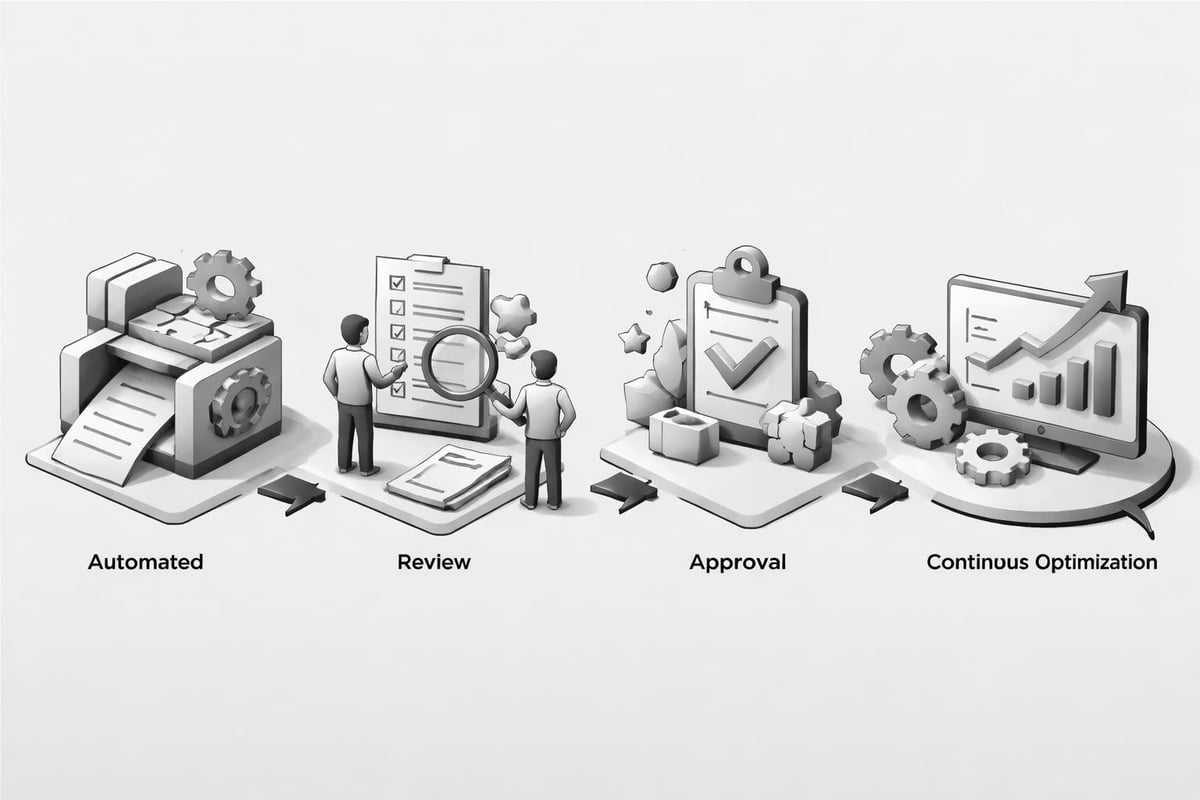
Advanced platforms incorporate quality signals directly into generation algorithms. They analyze factors like readability scores, keyword optimization, content depth, and structural elements before publishing. This built-in quality control reduces the need for manual intervention while maintaining professional standards.
Advanced Features in Modern SEO Auto Pilot Systems
The latest generation of automated SEO platforms extends well beyond basic content creation. These systems incorporate sophisticated features that address the full spectrum of search optimization challenges.
Competitor Intelligence and Adaptation
Understanding what works for competitors provides crucial strategic advantages. SEO automation tools now include comprehensive competitor analysis modules that identify high-performing keywords, content formats, and optimization tactics used by successful rivals.
These intelligence systems track competitor content velocity, topic selection, and ranking movements. When competitors enter new keyword spaces or experience ranking fluctuations, automated systems can adjust strategy accordingly, either targeting revealed opportunities or defending against competitive threats.
The competitive analysis extends to backlink profiles and domain authority metrics. Some platforms automatically identify link-building opportunities based on where competitors have successfully acquired citations, streamlining the typically labor-intensive process of manual prospecting.
Multimedia Integration
Modern search results increasingly feature rich media elements. Video thumbnails, images, and interactive content capture more attention than text-only listings. Leading SEO auto pilot platforms automatically source, optimize, and incorporate relevant multimedia elements into each article.
Image optimization includes proper alt text generation, file size compression, and semantic filename creation. These technical details significantly impact page load speed and accessibility, both ranking factors that many manual processes overlook.
Some advanced systems even generate custom images or select stock photography that aligns with content topics, eliminating another manual task from the workflow. This comprehensive approach ensures every published piece meets modern search engine expectations for engaging, multimedia-rich content.
Integration with Existing Marketing Infrastructure
SEO auto pilot systems deliver maximum value when properly connected to broader marketing technology stacks. Integration capabilities determine how effectively automated content supports overall business objectives.
Content Management System Compatibility
The best platforms support direct integration with popular CMS platforms including WordPress, Shopify, Webflow, Wix, and Framer. This native connectivity enables automatic publishing without export/import workflows or manual copy-pasting.
Direct CMS integration also facilitates proper internal linking. Automated systems can analyze existing site structure and create contextual links between new and established content, strengthening topical clusters and distributing page authority effectively throughout the site.
Analytics and Performance Tracking
Understanding what works requires robust measurement capabilities. SEO tools for agencies typically include built-in analytics dashboards that track key performance indicators:
- Organic traffic volume and trends
- Keyword ranking positions and movements
- Content engagement metrics (time on page, scroll depth, bounce rate)
- Conversion attribution from organic channels
- Backlink acquisition and domain authority growth
These metrics inform ongoing optimization, helping automated systems learn which content types, formats, and topics drive the best results. Machine learning algorithms use this performance data to refine future content strategies automatically.
Addressing Common Concerns About Automation
Despite clear benefits, some businesses hesitate to implement SEO auto pilot systems due to misconceptions about quality, originality, and search engine acceptance of automated content.
Content Quality and Uniqueness
Modern AI language models generate genuinely original content that passes plagiarism checks and provides unique perspectives on topics. The concern that automated content appears robotic or formulaic reflects outdated understanding of current technology capabilities.
Leading platforms produce articles indistinguishable from human-written content in blind tests. They understand context, maintain consistent tone, and structure information logically. Questions about whether Google can detect AI SEO content miss the essential point: search engines care about value delivery to users, not creation methodology.
Google's own guidance emphasizes helpful, reliable content created for people, not manipulation of search rankings. Automated content that meets these standards performs as well as manually created articles, and often better due to more consistent optimization practices.
Search Engine Algorithm Compatibility
The relationship between AI and SEO continues evolving rapidly. Search engines increasingly use AI themselves to understand content quality and relevance. They evaluate factors like comprehensiveness, accuracy, and user satisfaction rather than focusing on whether humans or machines created the content.
Automated SEO systems designed around current algorithm requirements perform exceptionally well in search results. They consistently implement best practices that human writers might forget or skip, including proper header hierarchy, schema markup, meta descriptions, and keyword optimization without stuffing.
According to research from TechRadar's comparison of SEO tools, platforms combining AI capabilities with comprehensive optimization features deliver measurable results for businesses across industries and competitive levels.
Measuring ROI from SEO Auto Pilot Implementation
Investment in automation technology requires justification through measurable returns. Fortunately, SEO auto pilot systems generate clear metrics that demonstrate value creation.
Traffic Growth Trajectories
Most businesses implementing comprehensive automation see meaningful traffic increases within 3-6 months. The exact timeline depends on domain authority, competition levels, and content volume. Sites publishing 20-30 optimized articles monthly typically observe:
- Months 1-2: Initial indexing and baseline establishment
- Months 3-4: First significant ranking improvements for long-tail keywords
- Months 5-6: Broader keyword coverage and increasing visibility
- Months 7-12: Compound growth as topical authority strengthens
These patterns reflect how search engines evaluate and reward consistent, quality content publication. The automated approach maintains momentum that manual efforts struggle to sustain over extended periods.
Cost Comparison Analysis
| Metric | Traditional SEO | SEO Auto Pilot |
|---|---|---|
| Monthly investment | $5,000-15,000 | $99-500 |
| Articles published | 4-8 | 30-100+ |
| Time to first results | 4-6 months | 3-4 months |
| Scaling cost increase | Linear (hire more people) | Minimal (same platform) |
| Consistency risk | High (human factors) | Low (automated) |
The dramatic cost differential means businesses can achieve results previously accessible only to well-funded enterprises. Small businesses and startups particularly benefit from leveling the competitive playing field through automation.

Future Developments in SEO Automation
The SEO auto pilot landscape continues advancing rapidly as artificial intelligence capabilities expand and search engines evolve their ranking algorithms.
Emerging Capabilities
Next-generation platforms will likely incorporate:
- Voice search optimization tailored for conversational queries
- Visual search integration connecting images to relevant content
- Real-time trend response that identifies and targets emerging topics within hours
- Predictive keyword targeting using forecasting models to anticipate search demand shifts
- Cross-platform content adaptation automatically reformatting articles for social media, email, and other channels
These developments will further reduce manual intervention requirements while improving results quality and consistency.
AI Search Engine Optimization
The rise of AI-powered search interfaces like ChatGPT and Perplexity introduces new optimization considerations. Content needs to serve both traditional search engines and conversational AI systems that synthesize information from multiple sources.
Forward-thinking SEO auto pilot platforms already optimize for AI search visibility, structuring content in ways that increase citation likelihood when AI systems generate responses to user queries. This dual optimization ensures future-proof visibility across evolving search landscapes.
Selecting the Right SEO Auto Pilot Platform
Not all automation platforms deliver equivalent results. Evaluation criteria should include technical capabilities, ease of use, integration options, and total cost of ownership.
Essential Evaluation Criteria
When comparing options, prioritize platforms offering:
- Comprehensive keyword research that identifies opportunities competitors miss
- Natural language generation producing readable, engaging content
- Automatic optimization including meta tags, headers, and internal linking
- CMS integration for seamless publishing to your website
- Performance analytics tracking rankings, traffic, and conversions
- Customization options for brand voice and content preferences
Reviews from automated SEO tools analysis highlight significant variation in feature sets and quality across available platforms. Due diligence during selection prevents costly mistakes and ensures alignment with business requirements.
Implementation Support and Training
Even highly automated systems require initial setup and occasional troubleshooting. Evaluate the support infrastructure each platform provides, including documentation quality, response times, and available training resources.
Platforms offering dedicated onboarding assistance help businesses achieve results faster by avoiding common configuration mistakes. The best providers maintain active user communities where customers share strategies and solutions.
Building Long-Term SEO Success with Automation
SEO auto pilot systems function best as part of comprehensive digital strategies rather than isolated solutions. Integration with broader marketing initiatives amplifies results and creates sustainable competitive advantages.
Content Ecosystem Development
Automated SEO content forms the foundation of digital presence but should connect to other marketing channels. Use blog content to support:
- Email marketing campaigns with content roundups and educational series
- Social media promotion highlighting key insights from articles
- Sales enablement providing prospects with relevant educational resources
- Product documentation explaining features and use cases in depth
This integrated approach maximizes the value of each piece of automated content by deploying it across multiple touchpoints in the customer journey.
Continuous Optimization Cycles
While automation handles day-to-day execution, strategic oversight remains valuable. Review performance data quarterly to identify patterns and opportunities for refinement. Adjust topic focus, keyword targets, and content depth based on what resonates with your audience.
The combination of automated execution and strategic human guidance creates optimal results. Platforms providing detailed analytics make this oversight process efficient, highlighting what requires attention rather than demanding manual data compilation.
SEO auto pilot systems represent a fundamental shift in how businesses approach organic visibility and content marketing. By automating the labor-intensive aspects of keyword research, content creation, and optimization, these platforms enable sustainable growth at a fraction of traditional costs. RankPill delivers exactly this capability, automatically researching, writing, and publishing optimized content that drives organic traffic growth while you focus on running your business. Start your automated SEO journey today and experience effortless traffic growth.
Unlock Traffic on Autopilot
Grow organic traffic on autopilot. RankPill will research, write, optimize, and publish articles to your website daily.