
SEO Software for Agencies: Tools & Features in 2026

Modest Mitkus
March 18, 2026
Managing SEO campaigns for multiple clients simultaneously demands sophisticated tools that go beyond basic keyword tracking. Digital marketing agencies in 2026 face increasing pressure to deliver measurable results while maintaining cost-efficiency across diverse client portfolios. The right seo software for agencies streamlines workflows, automates repetitive tasks, and provides comprehensive analytics that justify client investments. From enterprise-level platforms to specialized automation tools, the landscape of agency-focused SEO solutions continues to expand with AI-driven capabilities and integration features that transform how teams operate.
Essential Features in Modern SEO Software for Agencies
Agency environments require different capabilities than individual businesses or in-house marketing teams. White-label reporting stands as a fundamental requirement, allowing agencies to present data and insights under their own branding. This feature maintains professional consistency and reinforces agency value in client relationships.
Multi-client dashboard management separates exceptional agency tools from basic SEO platforms. The ability to switch between client accounts seamlessly, view aggregate performance metrics, and manage permissions for team members directly impacts daily productivity. Without this centralized control, agencies waste hours navigating between separate logins and disconnected systems.
Automation Capabilities That Scale Operations
Task automation transforms agency capacity. Consider these critical automation features:
- Automated rank tracking across hundreds or thousands of keywords per client
- Scheduled site audits that identify technical issues before they impact rankings
- Competitor monitoring that alerts teams to market shifts and opportunity gaps
- Report generation that compiles data into client-ready formats without manual effort
The comprehensive SEO tools available in platforms like Moz Pro demonstrate how automation reduces manual workload while improving consistency. When agencies leverage automation effectively, they can serve more clients without proportionally increasing headcount.
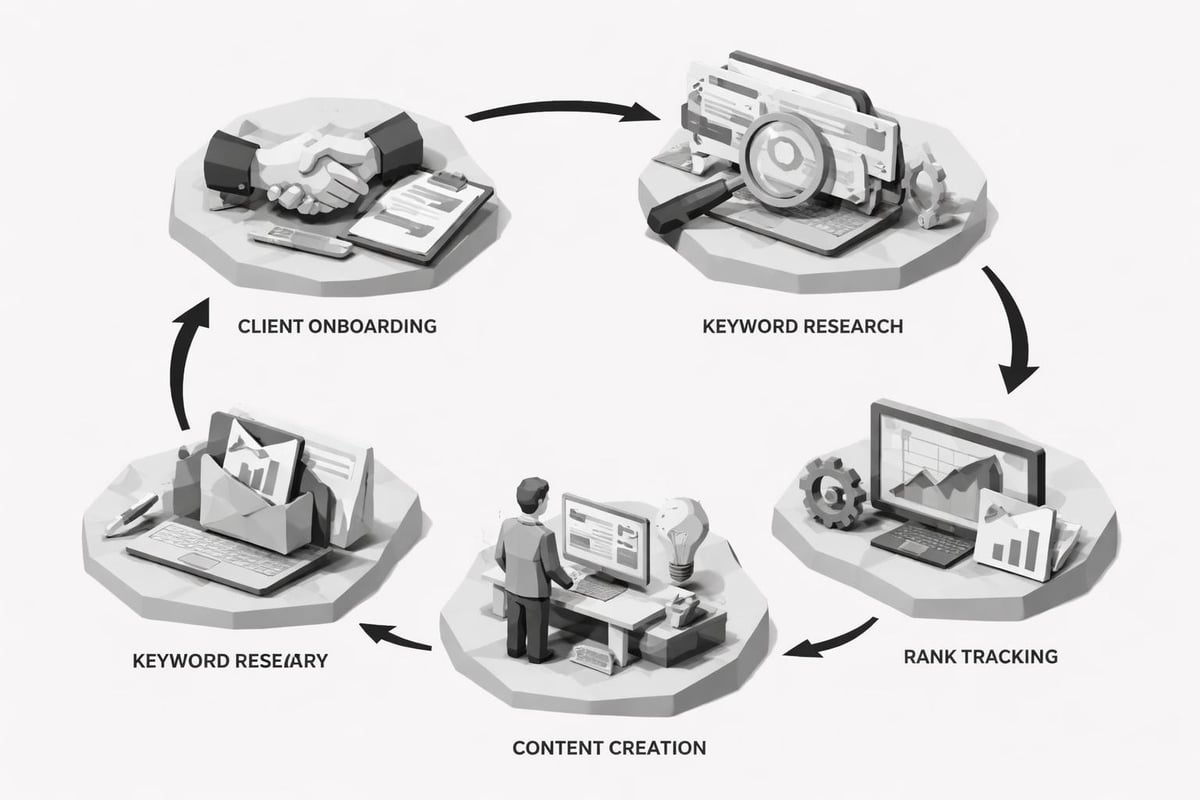
Comparing Top SEO Software for Agencies
Different agency sizes and specializations require tailored solutions. Understanding the landscape helps match capabilities to specific needs.
| Platform Type | Best For | Key Strength | Typical Investment |
|---|---|---|---|
| Enterprise Suites | Large agencies (20+ clients) | Comprehensive toolsets | $500-2,000/month |
| Mid-Tier Platforms | Growing agencies (5-20 clients) | Balance of features and cost | $200-500/month |
| Specialized Tools | Niche focus agencies | Depth in specific areas | $100-300/month |
| AI Automation | Content-focused agencies | Scalable content production | $99-400/month |
According to research compiled by agencies seeking comprehensive solutions, the most successful implementations combine multiple specialized tools rather than relying solely on all-in-one platforms. This approach allows agencies to select best-in-class solutions for different functions.
Analysis and Competitive Intelligence Tools
Competitive analysis drives strategic differentiation. SpyFu has established itself as a leader in competitor keyword research, revealing the exact keywords competitors rank for and their paid search strategies. This intelligence enables agencies to identify gaps in client strategies and capitalize on competitor weaknesses.
Domain comparison features allow side-by-side analysis of client performance against competitors. When presenting strategic recommendations, showing concrete data about competitor advantages and vulnerabilities strengthens agency credibility and justifies recommended tactics.
Content Creation and Optimization Platforms
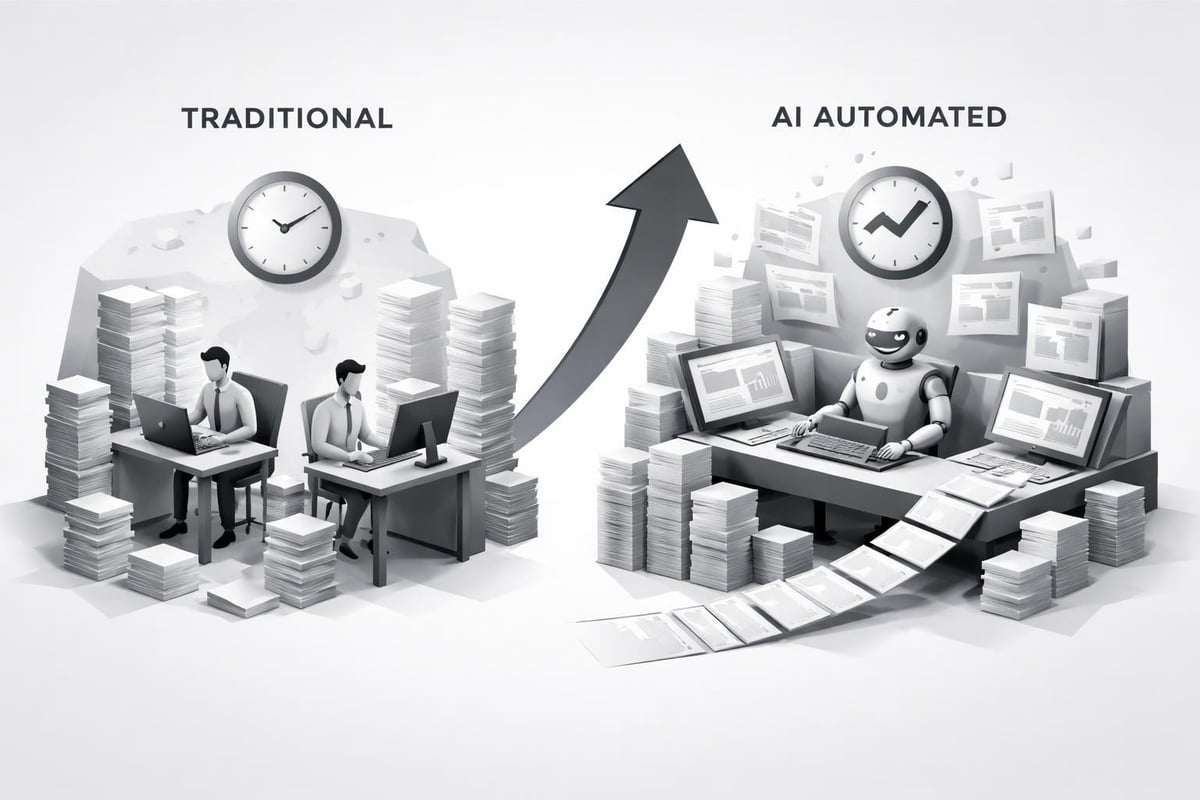
Content remains central to SEO success, but traditional content production creates bottlenecks for agencies managing multiple clients. The volume required to maintain competitive content calendars across diverse industries challenges even well-staffed agencies.
AI-powered content platforms have evolved significantly. Modern solutions generate topic clusters, optimize for semantic search, and produce drafts that require minimal editing. For agencies focused on increasing organic traffic at scale, automation eliminates the constraint of writer availability.
RankPill addresses this exact challenge by automating the entire content creation pipeline. The platform researches keywords, generates optimized articles exceeding 2,000 words, incorporates relevant images, and publishes directly to client websites. At $99 monthly for 30 articles, it delivers content at $3 per article compared to traditional agency costs exceeding $5,000 monthly, fundamentally changing the economics of content-driven SEO campaigns.
Quality assurance processes ensure AI-generated content meets client standards. Agencies implementing automated content systems typically establish review workflows where strategists verify alignment with brand voice and campaign objectives before publication.
Technical SEO and Site Audit Solutions
Technical optimization forms the foundation of sustainable rankings. Site audit tools identify issues that prevent search engines from properly crawling, indexing, and understanding website content.
Critical Technical Checks
Modern technical SEO software for agencies should scan for:
- Crawl errors including broken links, redirect chains, and timeout issues
- Core Web Vitals measuring page speed, interactivity, and visual stability
- Mobile usability problems affecting the majority of search traffic
- Structured data implementation and validation
- Security concerns including HTTPS implementation and mixed content warnings
Automated monitoring detects changes immediately. When client websites undergo updates or experience technical issues, instant alerts allow agencies to respond before rankings suffer. This proactive approach demonstrates value beyond monthly reporting cycles.
The evolution of platforms like SE Ranking shows how technical audit capabilities have expanded to include AI-driven prioritization that identifies which issues matter most for specific websites.
Rank Tracking and Performance Monitoring
Accurate position tracking across search engines, locations, and device types provides the metrics agencies use to demonstrate ROI. Basic rank tracking captures daily position changes, but sophisticated agency tools offer granular control.
Local rank tracking matters tremendously for agencies serving businesses with physical locations. Position variations across cities, neighborhoods, or even specific addresses require specialized tracking that consumer-grade tools don't provide.
Advanced Tracking Features
| Feature | Agency Benefit | Client Impact |
|---|---|---|
| Competitor position tracking | Benchmark performance | Contextualizes ranking changes |
| SERP feature monitoring | Identify opportunity types | Optimize for featured snippets |
| Share of voice metrics | Quantify visibility | Justify budget allocation |
| Historical data retention | Demonstrate long-term trends | Support strategic planning |
Integration with Google Search Console and Google Analytics enriches rank data with actual traffic and conversion metrics. This connection between rankings and business outcomes strengthens the narrative agencies present in client communications. Understanding how SEO drives actual traffic helps agencies set realistic expectations and celebrate meaningful wins.
Backlink Analysis and Link Building Management
Link profiles significantly influence domain authority and ranking potential. Comprehensive backlink analysis tools help agencies understand client link portfolios and identify opportunities for improvement.
Link quality assessment separates valuable backlinks from potentially harmful ones. Metrics including domain authority, relevancy, anchor text distribution, and referring domain diversity paint a complete picture of link profile health.
Competitor backlink analysis reveals link building strategies that work within specific industries. When agencies identify which websites link to multiple competitors but not to their clients, they've discovered high-probability outreach targets.
Building and Managing Link Campaigns
Successful agencies need systems to:
- Track outreach conversations and follow-ups
- Monitor new backlinks as they're acquired
- Alert teams to lost or broken backlinks
- Disavow toxic links that threaten rankings
- Report link acquisition progress to clients
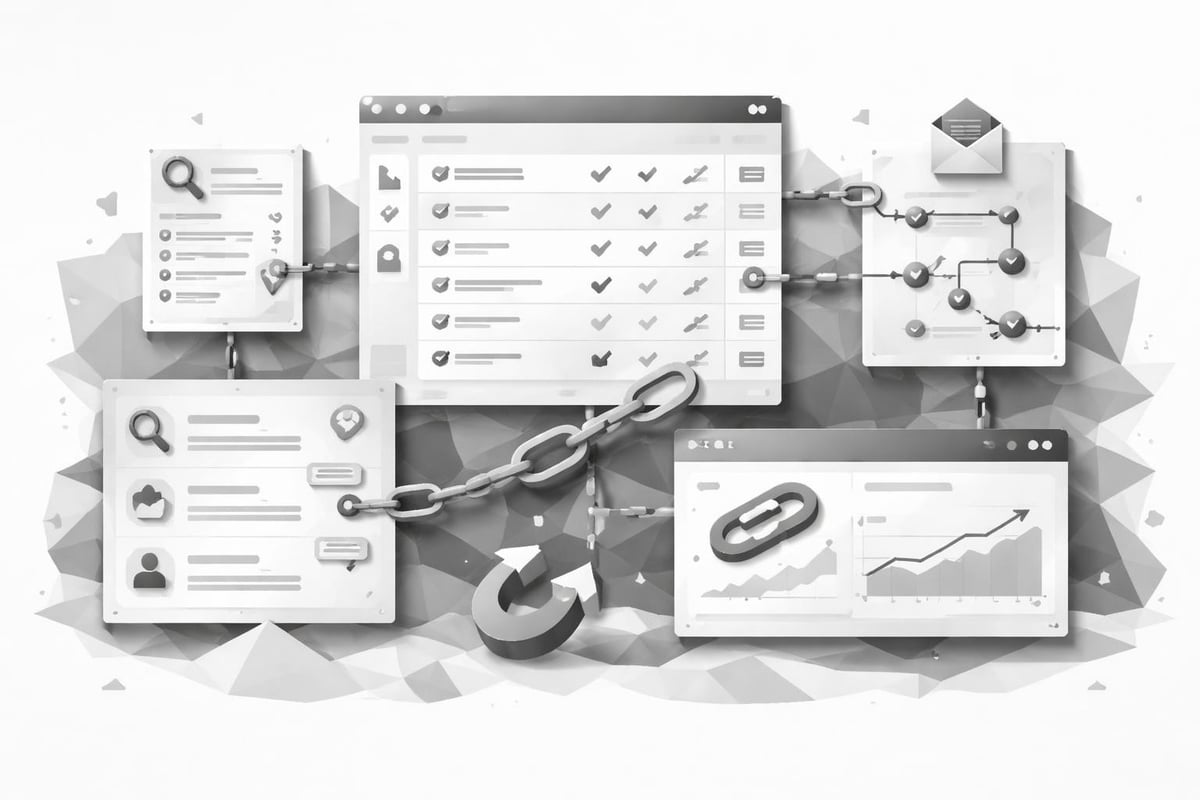
Some platforms offer built-in outreach management, while others integrate with CRM systems. The specific workflow matters less than having a systematic approach that prevents opportunities from slipping through communication gaps. Agencies serious about building quality backlinks invest in proper tracking infrastructure.
Reporting and Client Communication Tools
Client retention depends substantially on communication quality. Regular reporting maintains transparency, demonstrates progress, and justifies ongoing investment in SEO services.
Automated reporting eliminates the tedious work of compiling data from multiple sources into presentable formats. The best seo software for agencies generates branded reports that highlight wins, explain setbacks, and outline upcoming priorities without requiring hours of manual work per client.
Customizable report templates allow agencies to emphasize metrics that matter most to different client types. E-commerce clients focus on organic revenue and conversion rates, while B2B service providers prioritize lead quality and cost per acquisition from organic channels.
Data Visualization Best Practices
Effective reports balance detail with accessibility. Executive summaries provide high-level takeaways, while detailed sections allow clients to explore specific metrics. Visual elements including charts, graphs, and trend lines communicate complex data more effectively than tables of numbers.
Client portals offering real-time access to dashboards reduce the volume of status check emails and calls. When clients can view current rankings, traffic trends, and campaign progress independently, agencies free up time for strategic work rather than status updates.
Integration Capabilities and Workflow Efficiency
Modern agencies operate using diverse software stacks. CRM systems, project management platforms, content management systems, and communication tools all play roles in daily operations. SEO software that integrates seamlessly with existing tools multiplies its value.
Native integrations with popular platforms eliminate data silos. When keyword data flows directly into project management systems, content teams receive assignments with all necessary context embedded. When rank changes trigger notifications in team communication channels, everyone stays informed without checking multiple dashboards.
API access enables custom integrations for agencies with specific workflow requirements. Technical teams can build connections between seo software for agencies and proprietary systems, automating handoffs that otherwise require manual data transfer. According to insights from agency-focused tool evaluations, integration capabilities often determine long-term platform satisfaction more than individual feature sets.
Common integration needs include:
- WordPress, Shopify, Webflow for direct publishing and optimization
- Google Analytics, Search Console for comprehensive performance data
- Slack, Microsoft Teams for notification delivery
- Asana, Monday, Trello for task and project management
- HubSpot, Salesforce for CRM and lead tracking
Understanding how to optimize for AI search engines adds another dimension to integration requirements as agencies prepare for evolving search landscapes beyond traditional Google rankings.
Pricing Models and Budget Optimization
Agency budgets must accommodate software costs while maintaining profitability. Pricing structures vary significantly across platforms, affecting both cash flow and per-client economics.
Common Pricing Approaches
Per-seat licensing charges based on team member count. This model works well for smaller agencies but becomes expensive as teams grow. Some platforms offer agency tiers with unlimited seats but limited client accounts.
Per-project or per-client pricing scales with agency growth. As agencies add clients, software costs increase proportionally, maintaining consistent margins. This predictability aids financial planning but can create barriers to rapid growth.
Tiered usage limits base pricing on tracked keywords, crawled pages, or reports generated. Agencies must carefully estimate needs to avoid mid-tier placements that waste budget on unused capacity or low-tier selections that impose restrictive limits.
| Pricing Model | Advantage | Disadvantage | Best For |
|---|---|---|---|
| Flat rate unlimited | Predictable costs | High base price | Established agencies |
| Per-client scaling | Matches revenue growth | Can become expensive | Growing agencies |
| Usage-based tiers | Pay for actual needs | Requires estimation | Variable workloads |
| Hybrid models | Flexibility | Complexity | Diverse service offerings |
The examination of tools specifically designed for SEO agencies reveals that total cost of ownership includes training time, learning curves, and opportunity costs of switching platforms. The cheapest option rarely delivers the best value when considering these hidden factors.
Evaluating Free vs. Paid Solutions
Budget-conscious agencies often consider free tools, especially when launching or testing new service offerings. Free SEO tools provide genuine value for specific functions but rarely meet comprehensive agency needs.
Google Search Console and Google Analytics form the foundation of any SEO toolkit regardless of budget. These free platforms provide authoritative data directly from Google, making them indispensable reference points.
Limitations of free tools become apparent at scale. Keyword tracking limits, restricted historical data access, lack of white-label reporting, and absence of automation features create friction in agency workflows. Time spent working around these limitations often exceeds the cost of paid alternatives.
Hybrid approaches combining free and paid tools can optimize budgets. Using free tools for foundational data while investing in paid platforms for specialized functions, automation, and client reporting creates efficient spending without compromising service quality. Exploring free AI SEO tools can supplement premium platforms for specific use cases.
Training and Team Adoption Strategies
Software capabilities matter little if teams don't use them effectively. Successful agency implementations include structured training and ongoing skill development.
Platform-specific certifications offered by many SEO software providers validate team expertise and can be marketed to clients as proof of technical proficiency. These programs typically cover advanced features that casual users overlook, unlocking additional value from existing subscriptions.
Creating internal documentation tailored to agency workflows helps teams apply platform features to specific client situations. Generic software documentation explains what features do, but agency-specific guides explain when and why to use them in client contexts.
Building Process Consistency
Standard operating procedures ensure all team members follow best practices regardless of experience level. When processes are documented and linked to specific software features, new team members become productive faster and senior team members work more efficiently.
Regular skill refreshers maintain proficiency as platforms evolve. Quarterly training sessions covering new features and reinforcing core capabilities prevent skill degradation and feature underutilization. The latest SEO trends in 2026 often introduce new platform capabilities that require team education.
Enterprise vs. Small Agency Considerations
Agency size fundamentally affects software requirements and evaluation criteria. Enterprise agencies serving dozens or hundreds of clients need industrial-strength platforms with extensive user permission controls, advanced API capabilities, and dedicated support resources. Platforms like Conductor specifically target enterprise needs with sophisticated analytics and content optimization tools.
Boutique agencies serving 5-15 clients prioritize different factors. User-friendliness, faster implementation, and moderate pricing matter more than enterprise-scale features they won't use. The concentration of work across fewer clients allows deeper engagement with each account, potentially requiring more detailed analytical tools.
Mid-sized agencies occupy the challenging middle ground. They've outgrown entry-level tools but may not justify enterprise pricing. This segment benefits most from carefully comparing comprehensive agency SEO software options to find platforms offering scalability without unnecessary enterprise complexity.
Security and Data Privacy Requirements
Agencies handle sensitive client data including analytics access, search console credentials, and competitive intelligence. Data security isn't optional; it's a fundamental requirement that protects both agency reputation and client interests.
Two-factor authentication, role-based access controls, and audit logging should be standard features. When team members leave agencies, administrators must quickly revoke access to prevent unauthorized use of client data.
Data residency and privacy compliance matter for agencies serving international clients or operating in regulated industries. Understanding where software providers store data and how they handle privacy regulations like GDPR affects legal compliance and risk management.
Regular security assessments of agency software stack identify vulnerabilities before they're exploited. This proactive approach includes reviewing third-party integrations, updating credentials periodically, and monitoring for unusual access patterns that might indicate compromised accounts.
Making the Final Selection Decision
Choosing seo software for agencies requires balancing numerous factors against budget constraints and strategic priorities. Creating a weighted scoring system helps objectify what can feel like an overwhelming decision.
Start by listing must-have features-the capabilities without which the software cannot serve agency needs. Any platform lacking these essentials gets eliminated regardless of other strengths. Next, identify nice-to-have features that add value but aren't dealbreakers.
Trial Period Evaluation Framework
Most platforms offer trial periods. Maximize their value by:
- Assigning specific team members to test different features thoroughly
- Running parallel tests using current tools and trial platforms for comparison
- Simulating actual workflows with real client data rather than demo accounts
- Measuring time savings on routine tasks to quantify efficiency gains
- Testing support responsiveness by submitting questions during business hours
Documentation created during trials becomes training material after selection. Notes about workflow quirks, feature locations, and integration steps accelerate full team adoption post-purchase.
Selecting the right SEO software for agencies determines operational efficiency, service quality, and ultimately profitability in an increasingly competitive industry. The platforms that combine robust analytics, workflow automation, white-label reporting, and seamless integrations position agencies to scale without proportional cost increases. If you're looking to transform your agency's content production capabilities and deliver consistent results across your client portfolio, RankPill automates SEO content creation from research through publication, enabling you to serve more clients profitably while maintaining the quality standards that drive retention and referrals.