
SEO Tool White Label: Scale Your Agency in 2026

Modest Mitkus
March 16, 2026
The digital marketing landscape in 2026 demands efficiency and scalability from agencies of all sizes. As businesses increasingly prioritize organic search visibility, the demand for comprehensive SEO services has never been higher. However, building an in-house team with the necessary expertise, tools, and resources requires substantial investment. This is where seo tool white label solutions come into play, allowing agencies to offer professional-grade SEO services under their own brand without the overhead costs of developing proprietary technology or hiring specialized teams. For agencies looking to expand their service offerings and compete with larger firms, white label SEO tools provide a strategic pathway to growth.
Understanding SEO Tool White Label Solutions
An seo tool white label platform allows agencies and marketing professionals to rebrand and resell SEO software as their own product. These solutions typically include a comprehensive suite of features ranging from keyword research and rank tracking to content optimization and competitor analysis.
The core components of white label SEO tools include:
- Customizable branding options that display your agency logo and colors
- Client management dashboards for organizing multiple accounts
- Automated reporting systems that generate professional client deliverables
- API access for integration with existing workflows
- Training and support resources for agency teams
Unlike building custom software from scratch, white label solutions provide immediate access to proven technology. This approach eliminates the lengthy development cycles and substantial capital investment typically required for proprietary tool creation.
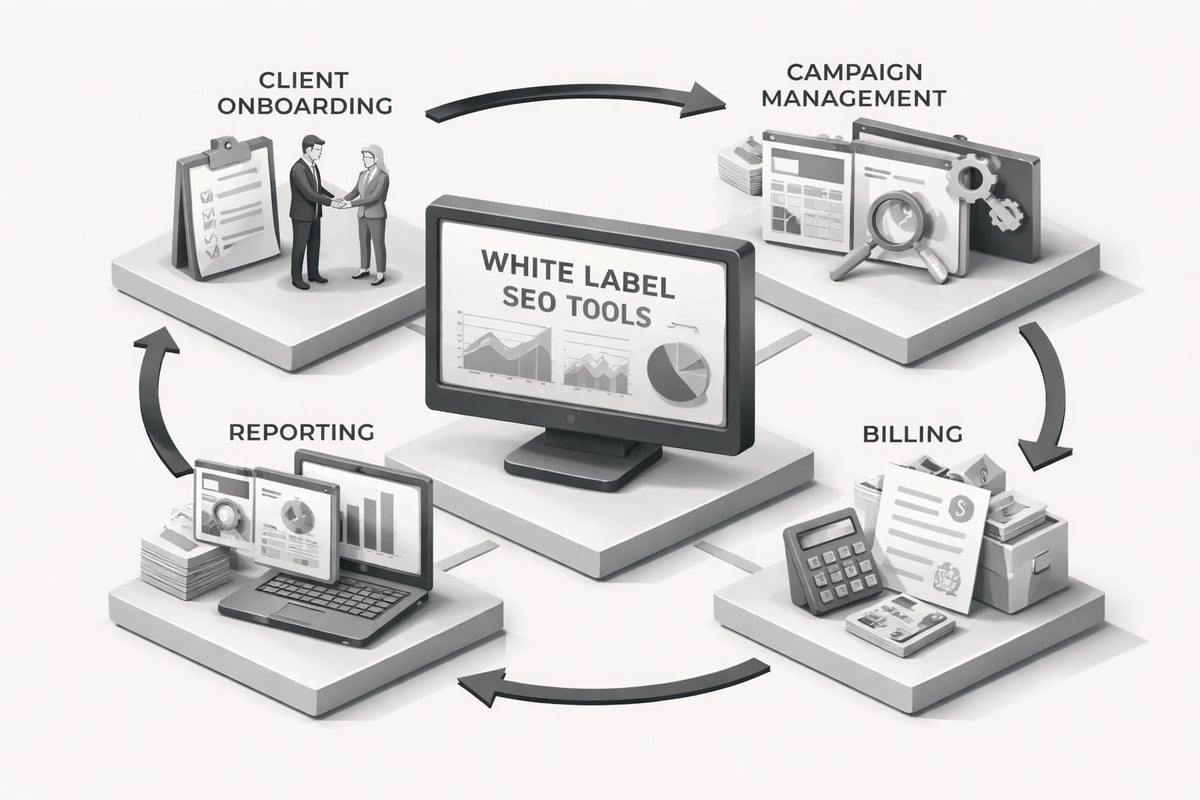
The business model behind white label SEO tools centers on partnership and scalability. Software providers focus on maintaining and improving the technology, while agencies concentrate on client relationships and strategic implementation. This division of labor creates efficiency gains that benefit both parties.
The Revenue Model Explained
Most seo tool white label platforms operate on tiered pricing structures that scale with usage. Agencies typically pay a monthly or annual fee based on the number of clients, keywords tracked, or reports generated. The margin between what agencies pay the white label provider and what they charge clients creates the profit opportunity.
| Pricing Component | Agency Cost | Client Price | Potential Margin |
|---|---|---|---|
| Basic Package | $200/month | $500-800/month | $300-600 |
| Standard Package | $400/month | $1,200-1,800/month | $800-1,400 |
| Premium Package | $800/month | $2,500-4,000/month | $1,700-3,200 |
This model allows agencies to scale revenue without proportional increases in operational costs. As client counts grow, the marginal cost of serving each additional account decreases while maintaining consistent service quality.
Key Benefits for Marketing Agencies
The advantages of implementing an seo tool white label solution extend far beyond simple cost savings. Agencies that strategically leverage these platforms position themselves for sustainable competitive advantages in an increasingly crowded marketplace.
Accelerated Service Expansion
Traditional service expansion requires months of planning, hiring, and training. White label SEO tools compress this timeline dramatically. Agencies can launch comprehensive SEO offerings within weeks rather than quarters, capturing market opportunities before competitors.
Benefits of white label SEO include the ability to test new service lines with minimal risk. If demand doesn't materialize as expected, agencies can pivot without the sunk costs associated with team building and infrastructure development.
Time savings manifest across multiple operational areas:
- Client onboarding: Automated setup processes reduce manual configuration time by 75%
- Report generation: Scheduled automated reports eliminate hours of manual data compilation
- Campaign monitoring: Real-time dashboards replace time-consuming manual tracking
- Performance analysis: Pre-built analytics templates streamline strategic decision-making
Enhanced Profit Margins
The economics of white label SEO tools create favorable unit economics for agencies. By leveraging economies of scale from the platform provider, agencies access enterprise-grade technology at a fraction of development costs.
Consider the alternative: building a proprietary SEO platform requires software developers, UX designers, data engineers, and ongoing maintenance teams. Annual costs easily exceed $500,000 for even basic functionality. White label solutions provide comparable capabilities for monthly fees that typically range from $200 to $2,000 depending on scale.
This cost structure transforms SEO services from labor-intensive offerings with thin margins into scalable products with healthy profitability. Agencies can reinvest these savings into client acquisition, team development, or additional service innovations.
Essential Features to Prioritize
Not all seo tool white label platforms deliver equivalent value. Agencies must evaluate potential partners based on features that directly impact client results and operational efficiency.
Comprehensive Keyword Intelligence
Effective SEO begins with understanding search intent and competitive landscapes. Top-tier white label platforms provide keyword research capabilities that rival standalone tools like SEMrush or Ahrefs. This includes search volume data, keyword difficulty scores, SERP analysis, and related keyword suggestions.
Advanced platforms incorporate AI for SEO tasks, using machine learning algorithms to identify emerging search trends and predict keyword performance. This predictive capability helps agencies position clients ahead of market shifts rather than reacting to them.
Critical keyword features include:
- Historical trend analysis showing seasonal patterns
- Competitor keyword gap analysis revealing untapped opportunities
- Question-based keyword discovery for content ideation
- Local keyword modifiers for geographically targeted campaigns
- Long-tail keyword suggestions for niche targeting
Automated Content Optimization
Content remains the foundation of effective SEO strategies in 2026. White label platforms that integrate content analysis and optimization tools provide agencies with actionable recommendations for improving on-page elements.
These systems analyze existing content against top-ranking competitors, identifying gaps in topic coverage, keyword density, semantic relevance, and structural elements. The best platforms generate specific recommendations that content creators can implement immediately.
For agencies managing high-volume content programs, automation capabilities become essential. Platforms that can automatically suggest internal linking opportunities, optimize image alt tags, or generate meta descriptions save countless hours while maintaining consistency across large content libraries.
Client Reporting and Communication
Professional reporting capabilities distinguish premium seo tool white label solutions from basic alternatives. Clients invest in SEO to achieve measurable business outcomes, and transparent reporting builds trust while demonstrating value.
Offering white label SEO to clients requires reporting systems that translate technical metrics into business language. Rank improvements, traffic increases, and conversion metrics should connect directly to client revenue and growth objectives.
| Report Type | Frequency | Key Metrics | Client Benefit |
|---|---|---|---|
| Executive Summary | Monthly | Rankings, traffic, leads | Quick performance overview |
| Detailed Analysis | Quarterly | Keyword movement, content performance, backlink growth | Strategic planning insights |
| Competitive Benchmark | Bi-annual | Market share, visibility scores | Competitive positioning |
| ROI Dashboard | Monthly | Cost per acquisition, revenue attribution | Budget justification |
The ability to customize report branding, layouts, and metric selection ensures agencies maintain brand consistency while addressing each client's unique priorities and communication preferences.
Implementation Strategy for Agencies
Successfully launching an seo tool white label offering requires more than simply signing a vendor contract. Agencies must develop comprehensive implementation strategies that align technology capabilities with market positioning and service delivery models.
Service Package Development
Structure your white label SEO offerings into tiered packages that address different market segments and budget levels. This approach maximizes market coverage while simplifying sales conversations.
Entry-level packages might focus on basic rank tracking and monthly reporting for small businesses with limited budgets. These offerings establish client relationships and create upsell opportunities as businesses grow.
Mid-tier packages expand to include comprehensive keyword research, competitor analysis, and quarterly strategy sessions. This segment typically represents the highest volume opportunity for most agencies.
Premium packages incorporate advanced features like custom dashboards, dedicated account management, and integration with other marketing technologies. These high-touch offerings command premium pricing and typically target established businesses with significant organic search potential.
Team Training and Enablement
Even the most sophisticated seo tool white label platform delivers limited value without proper team training. Invest in comprehensive onboarding that covers both technical platform operation and strategic application of insights.
Develop standardized operating procedures that ensure consistent service delivery regardless of which team member manages each account. This documentation should cover:
- Client onboarding workflows and checklists
- Monthly campaign management routines
- Report customization and delivery protocols
- Escalation procedures for technical issues
- Best practices for translating data into strategic recommendations
Many white label providers offer certification programs and ongoing training resources. Leverage these materials to accelerate team proficiency while staying current with platform updates and new feature releases.
Selecting the Right White Label Partner
The white label SEO market has expanded significantly in recent years, creating both opportunities and challenges for agencies evaluating potential partners. Making the right selection requires thorough due diligence across multiple dimensions.
Technology Assessment Criteria
Begin with a comprehensive technical evaluation of each platform's capabilities. Request demonstration accounts that allow hands-on testing of core features. During this evaluation phase, assess:
Data accuracy and freshness: Compare keyword volume data and ranking information against other trusted sources to verify reliability.
Platform performance: Test dashboard load times, report generation speed, and system responsiveness under various conditions.
Integration capabilities: Evaluate API documentation and existing integrations with tools your agency already uses for SEO and AI workflows.
Scalability: Confirm the platform can accommodate your growth projections without requiring migration to different pricing tiers that fundamentally change economics.
Essential features of white label SEO platforms should align with your agency's specific service offerings and client requirements. Avoid paying for sophisticated features your clients won't value or your team won't utilize.
Vendor Stability and Support
Technology partnerships carry inherent risks, particularly in rapidly evolving fields like SEO. Evaluate potential white label partners through the lens of long-term viability and support quality.
Research the vendor's history, funding status, and client retention rates. Platforms backed by stable ownership with multi-year track records present lower risk than newly launched alternatives, though emerging platforms may offer innovation advantages.
Support quality directly impacts your ability to deliver consistent client service. Test support responsiveness by submitting questions through various channels before committing. Evaluate response times, solution quality, and the availability of resources like knowledge bases and community forums.
Maximizing ROI from White Label SEO Tools
Acquiring an seo tool white label platform represents just the beginning of value creation. Agencies that extract maximum return on investment implement deliberate strategies that leverage the technology across multiple revenue streams and operational improvements.
Cross-Selling and Service Bundling
White label SEO capabilities create natural opportunities for expanding wallet share with existing clients. Businesses already investing in paid search, social media, or content marketing represent prime candidates for SEO services.
Position SEO as a complementary capability that enhances other marketing investments. For example, organic search visibility provides sustained traffic that reduces dependence on paid advertising while improving overall marketing efficiency.
Effective bundling strategies include:
- Combining SEO with content marketing services for comprehensive organic growth programs
- Integrating local SEO with reputation management for service-based businesses
- Pairing ecommerce SEO with conversion rate optimization to maximize revenue impact
- Bundling competitor analysis SEO with strategic planning engagements
These combinations increase average client value while strengthening relationships through expanded touchpoints and integrated strategies.
Operational Efficiency Gains
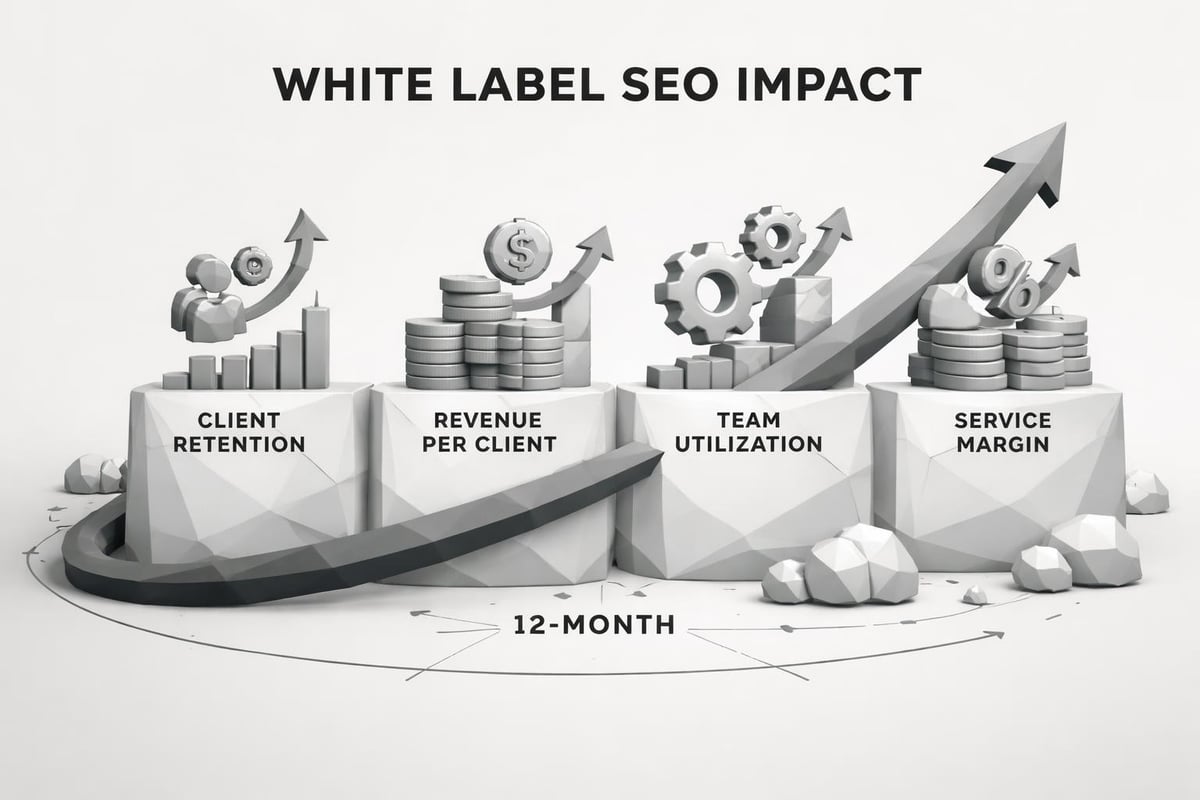
Beyond direct revenue opportunities, white label SEO tools streamline agency operations in ways that compound over time. Automation capabilities reduce the hours required for routine tasks, allowing teams to focus on high-value strategic activities.
Track efficiency metrics before and after platform implementation to quantify operational improvements. Common efficiency gains include:
- 60-70% reduction in time spent on monthly client reporting
- 40-50% decrease in keyword research and analysis hours
- 30-40% improvement in campaign setup and configuration speed
- 25-35% reduction in client communication time through self-service dashboards
These efficiency improvements either increase team capacity for client growth without proportional headcount increases or free up senior staff for strategic work that commands premium pricing.
Advanced Use Cases and Innovations
Forward-thinking agencies leverage seo tool white label platforms beyond traditional rank tracking and reporting. Innovative applications create differentiation and unlock new value propositions.
Predictive Analytics and Forecasting
Advanced white label platforms incorporate machine learning capabilities that predict ranking changes, traffic trends, and competitive movements. These predictive features enable proactive strategy adjustments rather than reactive responses.
Use forecasting capabilities during sales processes to demonstrate potential ROI from SEO investments. Show prospects data-driven projections of ranking improvements, traffic increases, and lead generation based on historical patterns and competitive benchmarks.
For agencies focused on increasing blog traffic, predictive analytics identify content opportunities with the highest probability of ranking success before creation begins. This intelligence reduces wasted content investment while accelerating results.
Automated SEO Campaign Management
The most sophisticated seo tool white label implementations incorporate workflow automation that manages routine optimization tasks without manual intervention. This includes automated technical SEO monitoring, on-page optimization recommendations, and even content distribution to maximize visibility.
Agencies serving clients at scale particularly benefit from automation capabilities that maintain service quality across growing account portfolios. Automated alerts notify teams of ranking drops, technical issues, or competitive threats requiring immediate attention.
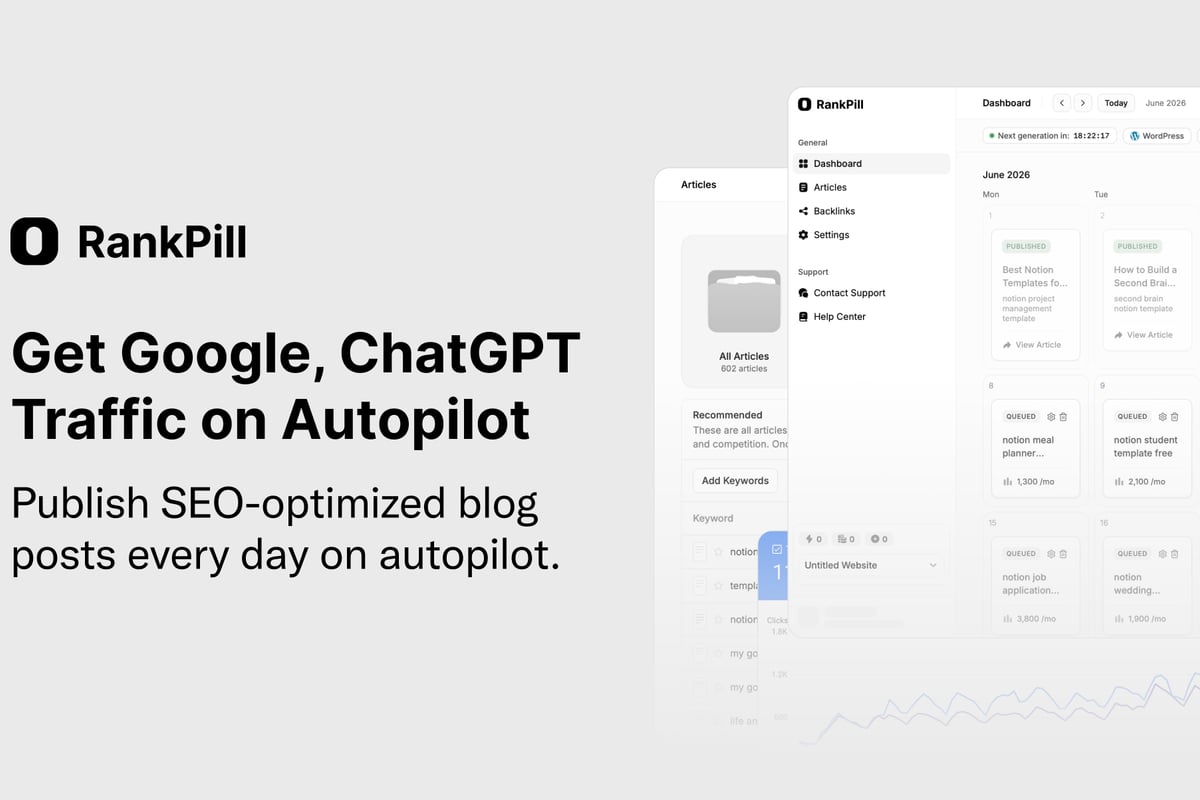
For businesses seeking solutions like RankPill, an AI-powered platform that automates SEO content creation, the combination with white label reporting tools creates a comprehensive offering. This integration allows agencies to deliver both content creation and performance tracking under their own brand, providing end-to-end SEO solutions that require minimal manual intervention while delivering consistent results.
International and Multi-Location SEO
White label platforms with strong international capabilities unlock opportunities in the growing multi-location and global SEO markets. Features like multi-language keyword research, country-specific SERP tracking, and localized competitor analysis enable agencies to serve clients with geographic expansion goals.
For franchise businesses, multi-location tracking within a single dashboard provides corporate oversight while enabling individual location performance monitoring. This capability addresses a specific market need that commands premium pricing.
Pricing Models and Revenue Optimization
Strategic pricing of white label SEO services significantly impacts profitability and market positioning. Agencies must balance competitive pricing with sustainable margins while clearly communicating value to justify premium rates.
Value-Based Pricing Strategies
Move beyond hourly billing or simple markup models toward value-based pricing that aligns fees with client outcomes. This approach requires deep understanding of client economics and the specific business value generated by improved search visibility.
For ecommerce clients, calculate the revenue value of improved rankings for high-commercial-intent keywords. If moving from position 5 to position 2 for a keyword generates an additional $10,000 in monthly revenue, pricing services at $2,000-3,000 monthly represents tremendous value while commanding healthy margins.
Service businesses can quantify value based on lead generation economics. Understanding cost per lead from alternative channels allows positioning SEO as a cost-effective acquisition channel that justifies premium pricing.
Retainer Structures and Contract Terms
Structure client agreements as monthly retainers with minimum commitment periods rather than project-based engagements. This approach provides revenue predictability while acknowledging that SEO results require sustained effort over time.
Recommended retainer structures include:
- 6-month minimum commitments for new client relationships
- 12-month agreements with volume discounts for established clients
- Month-to-month options at premium pricing for maximum flexibility
- Annual prepay options with 15-20% discounts to improve cash flow
Build performance incentives into premium packages that reward agencies for exceeding baseline expectations. These bonus structures align agency and client interests while creating upside potential beyond standard retainer fees.
Common Implementation Challenges
Despite their advantages, seo tool white label implementations face predictable challenges that agencies must anticipate and address proactively.
Client Education and Expectation Management
SEO remains misunderstood by many business owners who expect immediate results comparable to paid advertising. Setting realistic expectations during sales processes and onboarding prevents dissatisfaction and premature cancellations.
Develop educational resources that explain SEO timelines, the gradual nature of ranking improvements, and the relationship between various metrics and business outcomes. Use historical case studies and industry benchmarks to illustrate typical progress curves.
Understanding competitive advantages helps position your services within the broader competitive landscape. Frame SEO as a long-term investment in sustainable traffic growth rather than a quick-fix solution.
Data Integration and Workflow Coordination
Integrating white label SEO tools with existing agency systems and workflows presents technical challenges that require planning and resources. APIs facilitate data exchange, but meaningful integration requires development work and ongoing maintenance.
Prioritize integrations that deliver the highest operational value first. For most agencies, this means connecting white label platforms with:
- CRM systems for unified client data and communication tracking
- Project management tools for task coordination and deadline management
- Invoicing and billing systems for automated revenue recognition
- Website analytics for comprehensive performance tracking
Plan integration projects with realistic timelines that account for technical complexity and testing requirements. Rushed implementations often create data quality issues that undermine platform value.
Future Trends in White Label SEO
The white label SEO landscape continues evolving as search algorithms, user behaviors, and technology capabilities advance. Agencies that anticipate trends position themselves for sustained competitive advantages.
AI-Powered Content Optimization
Artificial intelligence increasingly influences both search algorithms and optimization strategies. White label platforms incorporating advanced AI capabilities will differentiate themselves through superior performance prediction and recommendation quality.
Expect platforms to offer AI SEO tools that automatically generate content briefs, optimize existing content, and even create initial drafts for human refinement. These capabilities compress content production timelines while maintaining quality standards.
The integration of natural language processing enables more sophisticated content analysis that evaluates semantic relevance, topic comprehensiveness, and alignment with search intent. These advances improve content quality while reducing manual analysis requirements.
Voice and Visual Search Optimization
As search diversifies beyond traditional text queries, white label platforms must expand capabilities to address voice search, image search, and video search optimization. These emerging search modalities require different optimization approaches and tracking methodologies.
Platforms that provide voice search keyword research, image optimization recommendations, and video SEO capabilities will capture market share from competitors focused exclusively on traditional search. Forward-thinking agencies should evaluate white label partners based on their innovation roadmaps in these areas.
Enhanced Attribution and ROI Tracking
Marketing attribution grows increasingly sophisticated as technologies improve cross-channel tracking and conversion measurement. White label SEO platforms that integrate with attribution systems provide clearer connections between organic search activities and revenue outcomes.
This capability addresses the persistent challenge of demonstrating SEO ROI to stakeholders focused on immediate measurable results. Better attribution strengthens the business case for sustained SEO investment while justifying premium agency pricing.
White label SEO tools empower agencies to scale efficiently while delivering professional-grade services that drive measurable client results. By selecting the right platform, implementing strategic service packages, and leveraging automation capabilities, agencies can build sustainable competitive advantages in the growing organic search market. RankPill can complement your white label strategy by automating the content creation process, allowing your agency to deliver high-quality, SEO-optimized content at scale while your white label tools handle tracking and reporting. This combination creates a comprehensive SEO solution that positions your agency for growth in 2026 and beyond.