Internal Linking Strategy: Boost SEO & Site Authority

Modest Mitkus · May 30, 2026
An effective internal linking strategy forms the backbone of successful SEO implementation, connecting your website's content in ways that benefit both search engines and users. While many businesses focus exclusively on external backlinks and keyword optimization, the strategic placement of internal links can dramatically improve page authority distribution, crawl efficiency, and overall site performance. Understanding how to leverage this powerful yet often overlooked tactic separates high-performing websites from those struggling to gain traction in search results.
Understanding the Foundation of Internal Linking Strategy
Internal linking strategy refers to the deliberate process of connecting pages within your own website through hyperlinks. These connections create pathways for search engine crawlers to discover content while simultaneously guiding users through related information. The architecture you build through these links directly influences how search engines understand your site's hierarchy and topical authority.
Search engines like Google use internal links to establish the relationship between different pieces of content on your domain. When you link from a high-authority page to a newer or less visible page, you transfer ranking power through what SEO professionals call "link equity" or "link juice." This mechanism allows you to strategically boost pages that matter most to your business objectives.

The SEO Benefits That Drive Results
A well-executed internal linking strategy delivers measurable improvements across multiple performance indicators. Crawl efficiency increases dramatically when search engine bots can navigate your site through logical link pathways rather than relying solely on sitemap submissions. This improved crawlability ensures that new content gets indexed faster and updates propagate through your site more efficiently.
Authority distribution represents another critical benefit. Your homepage and established content pieces typically accumulate significant authority over time. By strategically linking from these powerful pages to newer content, you accelerate the ranking potential of fresh articles and product pages. Research from SEOClarity's case studies demonstrates that targeted internal linking campaigns can produce significant visibility improvements within weeks.
User experience improvements naturally emerge from thoughtful internal linking. Visitors who find relevant additional resources through contextual links tend to spend more time on your site, view more pages per session, and develop stronger engagement with your brand. These behavioral signals contribute to improved search rankings as engines interpret longer dwell times and lower bounce rates as indicators of content quality.
Building Your Site Architecture Through Strategic Links
Site architecture and internal linking strategy work as complementary forces that shape how both users and search engines navigate your content. The most effective approach organizes content into clear topical clusters where a pillar page serves as the authoritative hub, with related subtopic pages linking back to it and among themselves.
Pillar-Cluster Model Implementation
The pillar-cluster model has emerged as the dominant framework for modern content strategy. Your pillar page targets a broad topic with comprehensive coverage, while cluster content addresses specific subtopics in greater depth. Each cluster page links back to the pillar, and the pillar links out to all relevant clusters, creating a tight topical network that signals expertise to search engines.
For example, a pillar page about AI and SEO might connect to cluster pages covering AI content generation, automated keyword research, and algorithm updates. This structure makes it clear to Google that your site possesses deep knowledge across the entire topic area.
| Architecture Element | Purpose | Link Direction |
|---|---|---|
| Pillar Page | Comprehensive topic overview | Links to all clusters |
| Cluster Pages | Detailed subtopic coverage | Links to pillar and related clusters |
| Supporting Content | Specific examples and data | Links to relevant clusters |
| Navigation Pages | Category and tag organization | Links to all contained content |
Hierarchical Depth Considerations
The number of clicks required to reach any page from your homepage significantly impacts its perceived importance. Pages accessible within three clicks generally receive better crawl priority and ranking potential than those buried deeper in your site structure. Your internal linking strategy should ensure that high-value pages remain close to the homepage through prominent navigation links and contextual mentions in frequently updated content.
Flat architectures work better than deep ones for most websites. Rather than creating endless category subdivisions, focus on creating logical groupings with generous cross-linking between related content at similar hierarchy levels. This approach prevents authority from getting diluted as it passes through multiple intermediary pages.
Anchor Text Optimization for Maximum Impact
The clickable text you use for internal links communicates critical information about the destination page's content. Strategic anchor text optimization strengthens topical relevance signals while maintaining natural readability. Unlike external link building, where over-optimization carries penalty risks, you have greater flexibility with internal anchor text since you control both the source and destination.
Descriptive anchor text that accurately reflects the linked page's content performs better than generic phrases like "click here" or "learn more." If you're linking to a guide about digital marketing automation, using that exact phrase as anchor text clearly indicates the page's topic to both users and search algorithms.
Balancing Variation and Consistency
While exact-match anchor text provides strong relevance signals, using identical anchor text for every internal link to a particular page appears manipulative to search engines. Introduce natural variation through:
- Exact match: The target keyword phrase
- Partial match: The keyword plus additional words
- Branded: Your company or product name
- Naked URLs: The actual URL as anchor text
- Generic with context: Descriptive phrases that relate to the topic
Academic research on linking variants and reading behavior suggests that contextually relevant anchor text improves user engagement by setting accurate expectations about linked content. This improved user experience translates to better SEO performance over time.
Implementing Tactical Internal Linking Patterns
Beyond architectural considerations, specific tactical patterns maximize the effectiveness of your internal linking strategy. These approaches focus on link placement, frequency, and context to achieve optimal results without creating spam-like patterns that could trigger algorithmic filters.
Contextual In-Content Links
Links embedded naturally within body content carry more weight than those relegated to sidebars, footers, or navigation menus. Search engines recognize that editorial links placed within relevant paragraphs represent genuine recommendations rather than template-based automation. Aim to include 2-5 contextual internal links per 1,000 words of content, placed where they genuinely add value for readers.
When crafting content about specific industries or applications, such as SEO for pet groomers, linking to related service pages or case studies creates natural pathways that serve both discovery and conversion goals. The key lies in relevance-forced links to unrelated content damage user experience and provide minimal SEO benefit.

Hub Page Strategies
Designated hub pages that aggregate links to related content serve as powerful distribution points for authority and crawl priority. Resource pages, category indexes, and comprehensive guides naturally accommodate numerous internal links while delivering genuine value to visitors seeking curated information on specific topics.
Creating monthly or quarterly content roundups provides opportunities to link to recent articles while reinforcing topical relationships. These hub pages become valuable assets that you can promote through external channels, bringing authority into your site that then flows through to linked content.
Leveraging Automation Without Sacrificing Quality
Manual internal linking becomes increasingly challenging as your content library grows. Strategic automation tools can identify linking opportunities and maintain link health without requiring constant human oversight. However, automation must be implemented thoughtfully to avoid creating unnatural patterns or low-quality links that diminish user experience.
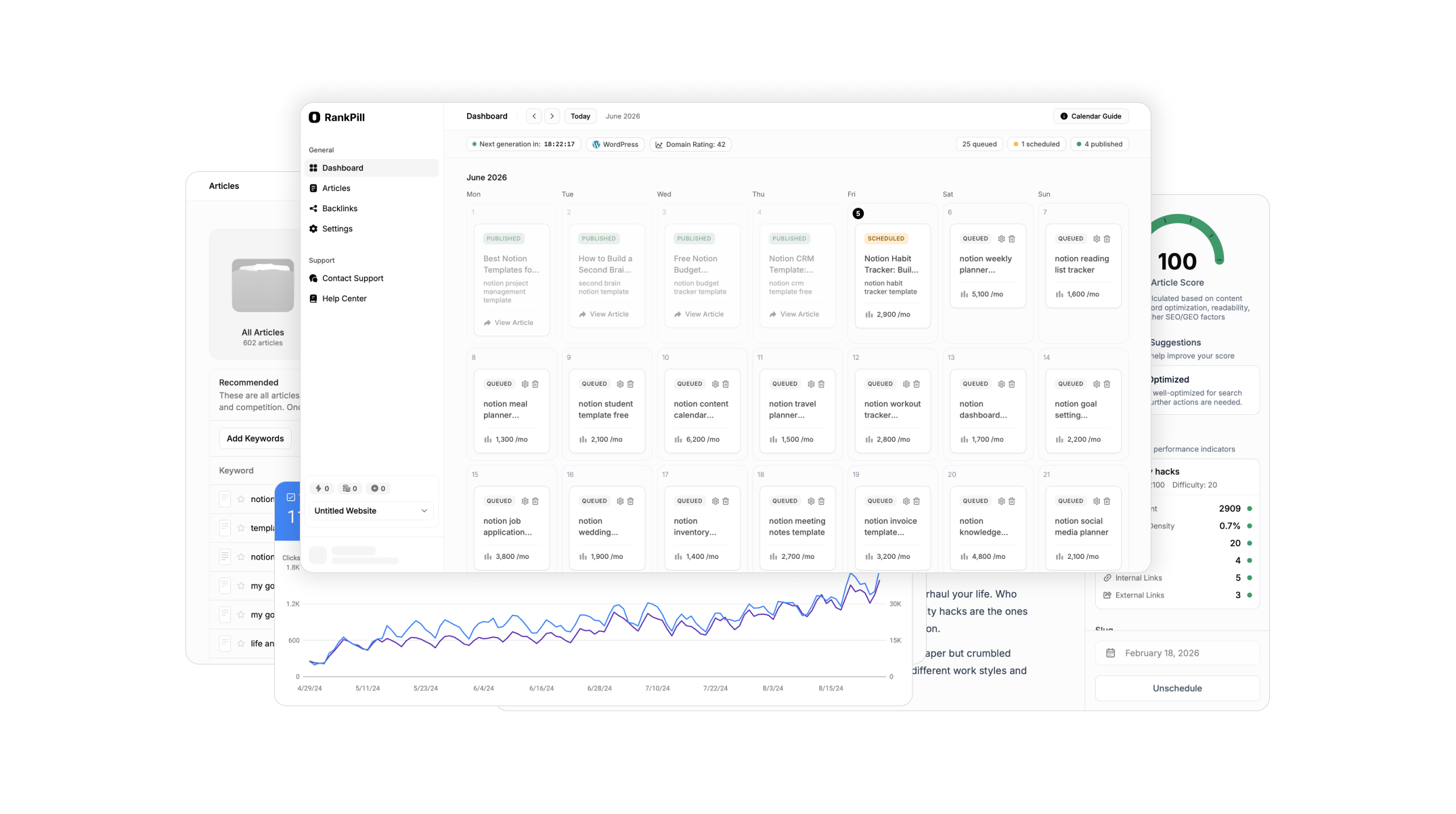
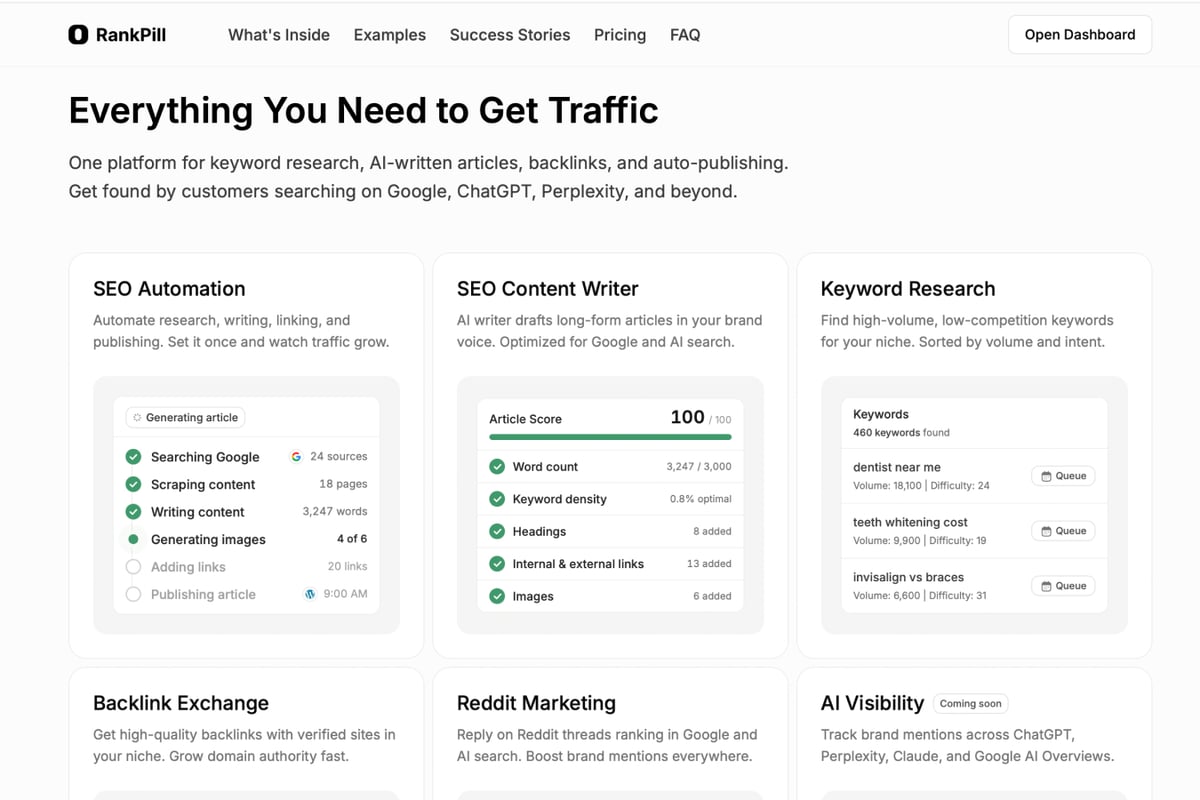
RankPill's SEO Automation platform includes intelligent internal linking capabilities that analyze your content library to identify relevant connection opportunities based on topical similarity and search intent alignment. The system automatically places contextual links during the content creation process, ensuring that new articles integrate seamlessly into your existing site architecture while maintaining natural language flow.
Automated Link Maintenance
As your content evolves, maintaining link relevance requires ongoing attention. Pages get updated, URLs change, and new content creates fresh linking opportunities. Automation excels at these maintenance tasks:
- Broken link detection: Identifying and flagging 404 errors from internal links
- Orphaned page discovery: Finding content with insufficient internal links
- Opportunity identification: Suggesting relevant linking targets for existing content
- Anchor text diversity: Ensuring natural variation in anchor text patterns
The balance between automation and human oversight depends on your content volume and resources. Smaller sites might handle internal linking manually, while enterprises publishing dozens of articles weekly benefit significantly from automated systems that maintain consistency across large content portfolios.
Measuring Internal Linking Strategy Performance
Implementing an internal linking strategy without measuring its impact leaves you operating on assumptions rather than data. Several key metrics reveal how effectively your linking structure supports SEO objectives and user engagement goals.
Critical Performance Indicators
Crawl statistics from Google Search Console show how efficiently search engines navigate your site. Monitor the number of pages crawled per day, crawl depth distribution, and pages discovered through internal links versus sitemaps. Improvements in these metrics following internal linking optimization validate your strategy's technical effectiveness.
Page authority metrics from SEO tools demonstrate how link equity distributes across your site. Track domain authority for key pages over time, watching for improvements in pages you've strategically linked to from high-authority sources. While these metrics represent estimates rather than official Google rankings, they provide useful directional indicators.
| Metric | Tool/Source | Success Indicator |
|---|---|---|
| Pages Crawled | Google Search Console | Increasing trend |
| Average Crawl Depth | Log file analysis | Decreasing average |
| Internal Links Per Page | Site audit tools | 3-10 contextual links |
| Orphaned Pages | Screaming Frog | Approaching zero |
| Page Authority Growth | SEO platforms | Upward trajectory for target pages |
Traffic patterns reveal how users navigate through internal links. Analyze pageview sequences in Google Analytics to understand which links drive the most traffic between pages. High-performing internal links deserve reinforcement in additional content, while underperforming links may indicate relevance mismatches or poor placement.
Conversion Path Analysis
Beyond pure SEO metrics, internal linking strategy influences conversion rates by guiding users toward high-value actions. Map common paths from entry pages to conversion points, identifying where strategic internal links could smooth the journey. Content that ranks well for informational queries should include contextual links to related product or service pages that address commercial intent.
For B2B businesses, content marketing strategies often involve longer consideration cycles where multiple touchpoints influence decisions. Strategic internal linking ensures that prospects encounter the full range of your expertise and offerings as they navigate your content.
Advanced Internal Linking Tactics for 2026
As search algorithms become increasingly sophisticated, advanced internal linking tactics emerge that go beyond basic best practices. These strategies leverage emerging technologies and evolving search behaviors to maximize organic visibility.
AI-Driven Relevance Matching
Modern content management systems and SEO platforms increasingly incorporate AI to identify semantic relationships between content pieces. These systems analyze topic modeling, entity recognition, and search intent patterns to suggest internal linking opportunities that humans might miss. The technology excels at identifying non-obvious connections between content across different topical areas that share underlying user needs.
For instance, an article about organic search versus paid search might benefit from links to content about conversion optimization or landing page design-connections that automated systems can identify through analyzing user journey patterns rather than simple keyword matching.
Schema Markup Integration
Structured data markup enhances how search engines interpret internal link relationships. Breadcrumb schema makes hierarchical connections explicit, while Article schema can include "relatedLink" properties that highlight connections to related content. These technical enhancements reinforce the topical relationships you build through standard HTML links.

Mobile-First Linking Considerations
With mobile devices dominating web traffic, internal linking strategy must account for smaller screens and touch-based navigation. Links placed too close together create usability issues, while excessive in-content linking disrupts mobile reading flow. Strike a balance by prioritizing the most valuable internal links for mobile users while relegating secondary connections to "related articles" sections that don't interrupt content consumption.
Common Internal Linking Mistakes to Avoid
Even experienced SEO practitioners sometimes implement internal linking practices that undermine their strategy's effectiveness. Recognizing and avoiding these common errors prevents wasted effort and potential ranking penalties.
Excessive linking represents one of the most frequent mistakes. Pages containing dozens of internal links dilute the authority passed through each individual link while creating poor user experiences. Search engines may discount or ignore excessive links, particularly when they follow repetitive patterns that suggest automated insertion without editorial judgment.
Irrelevant connections damage user trust and provide minimal SEO benefit. Links should genuinely help readers by connecting them to related information that expands their understanding or addresses related needs. Forced links inserted solely for SEO purposes create frustration when users click expecting relevant content but find weak connections.
Technical Implementation Errors
Several technical mistakes can sabotage otherwise sound internal linking strategies:
- NoFollow on internal links: Unless specifically required for user-generated content or untrusted sections, internal links should be follow links that pass authority
- JavaScript-only links: Ensure important internal links exist in HTML for reliable crawling
- Redirect chains: Link directly to final destinations rather than through multiple redirects
- Parameter-heavy URLs: Use clean URLs for internal links to avoid duplicate content issues
Regular technical audits using tools like WordStream's internal linking guide recommendations help identify and correct these implementation issues before they accumulate into significant problems.
Integrating Internal Linking with Content Strategy
Your internal linking strategy achieves maximum effectiveness when integrated seamlessly with overall content planning and production workflows. Rather than treating linking as a post-publication afterthought, build it into your content development process from the initial planning stages.
Content Gap Analysis for Link Opportunities
Identifying content gaps reveals both publication opportunities and internal linking weaknesses. When you discover that multiple existing articles could link to a comprehensive guide on a specific topic, but that guide doesn't exist yet, you've identified a valuable content creation opportunity. Conversely, finding orphaned content with few incoming internal links suggests either content that should be retired or opportunities to add contextual links from related pieces.
Understanding how to get mentioned by AI systems and optimizing for generative engine optimization requires comprehensive content coverage with strong internal connections that establish topical authority. These emerging search paradigms reward sites that demonstrate depth and breadth through well-structured content networks.
Editorial Guidelines for Consistent Implementation
Establishing clear guidelines ensures that everyone contributing to your content maintains consistent internal linking practices. Document standards for:
- Minimum and maximum internal links per article length
- Anchor text variation requirements
- Priority pages that should receive frequent internal links
- Approval processes for linking to commercial pages from informational content
- Technical specifications for link formatting and tracking parameters
These guidelines prevent the fragmentation that occurs when different authors apply vastly different linking philosophies to their work. Consistency creates predictable patterns that both users and search engines can navigate efficiently.
Scaling Internal Linking Across Large Sites
Enterprise websites with thousands or tens of thousands of pages face unique internal linking challenges. Manual implementation becomes impractical, yet automated solutions risk creating spam-like patterns. Scaling requires systematic approaches that balance efficiency with quality.
Database-Driven Linking Systems
Large-scale content operations benefit from database-driven systems that track content relationships and automatically suggest relevant links during the writing process. These systems analyze existing content to identify:
- Topical clusters that need stronger interconnection
- High-authority pages that should distribute links to newer content
- Orphaned pages requiring incoming links
- Over-linked pages that may dilute authority through excessive outbound links
Real-world results from SearchPilot's internal linking experiments demonstrate that systematic approaches to internal linking at scale can produce measurable traffic improvements across large content portfolios, particularly when linking patterns align with clear topical hierarchies.
Template-Based Link Insertion
Strategic use of template-based linking provides consistent navigation while preserving contextual link quality. Category pages, related article sections, and author bio boxes offer opportunities to automate relevant connections without inserting links within body content. This hybrid approach combines the efficiency of automation with the quality of manual editorial linking.
The key lies in ensuring template-based links genuinely serve user needs rather than existing purely for SEO manipulation. Related article widgets that display truly relevant content based on topic similarity or user behavior patterns enhance experience while distributing authority to valuable pages.
A comprehensive internal linking strategy transforms your website from a collection of disconnected pages into an integrated knowledge network that serves both users and search engines effectively. By implementing the architectural frameworks, tactical patterns, and measurement systems outlined above, you create sustainable organic growth that compounds over time as your content library expands. RankPill automates the entire internal linking process as part of its comprehensive SEO platform, analyzing your content to identify optimal connection opportunities and automatically inserting contextually relevant links during the publishing workflow. This automation ensures consistent implementation of internal linking best practices across your entire content portfolio without requiring manual intervention for every article.
Unlock Traffic on Autopilot
Grow organic traffic on autopilot. RankPill will research, write, optimize, and publish articles to your website daily.